
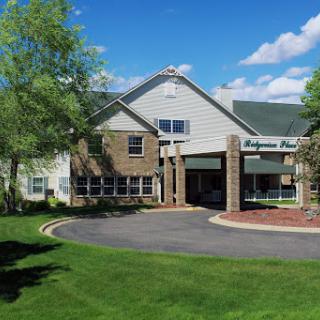
9250 Lakewood Shore Road Nw, Rice, MN 56367
For more information about senior living options: (866) 208-4318
Overall Review of All Good Home Care
Pros
 They find comfort in the coordinated care from All Good Home Care, Coborn’s Cancer Center, CentraCare’s Eat Healthy program, St. Cloud Hospital Meals on Wheels, and Visiting Angels.
 - The PCA provides great care, helping with shopping and daily tasks, and the team works well together.
- They appreciate visiting from a healthy distance, wearing masks, washing hands, and sharing conversation and laughter during care.
- They believe PCA workers deserve better pay and government support as part of a humane act.
- They are grateful for family support by phone and for the care team, which brings comfort during cancer treatment.
- They recognize these programs as a reliable support system now and in the future.
- They extend thanks to the PCA and all health-care workers and wish everyone a happy holiday.
Cons
 They will spend the holidays alone because of cancer and COVID-19 restrictions.
- They feel PCA workers are underpaid and not adequately supported by the government.
- They believe the programs need more funding and support to help those who need them.
Review
All Good Home Care in Rice, MN is best suited for seniors who want to stay in a familiar living space while receiving hands-on daily assistance and a robust network of outside health services. The core model relies on care happening in the resident’s own apartment, with a dedicated PCA handling shopping, errands, and daily tasks, supported by a team-based system that coordinates with area hospitals, meal programs, and aging services. This setup is especially compelling for cancer survivors or others managing chronic conditions who prize continuity of care and sustained privacy.
Those seeking a traditional assisted-living campus with shared spaces, structured daily programming, and on-site nursing supervision may want alternatives. All Good Home Care appears to operate primarily as in-home support rather than a campus environment, so social interaction and medical oversight depend on external programs rather than on-site amenities. Families needing 24/7 on-site medical oversight, or a campus that offers constant, built-in social opportunities, are likely to find gaps. Additionally, the model’s success hinges on the reliability of the PCA workforce and the availability of connected services, which can present a vulnerability if schedules falter.
The key strengths lie in practical, high-touch care that preserves independence while delivering consistent, personalized attention. The PCA approach translates into tangible daily benefits, help with shopping, housekeeping, and routine tasks, while the stability of a dedicated caregiver builds trust and reduces daily stress. The most powerful upside comes from the integrated care network: collaboration with hospital partners, Meals on Wheels, and other support programs creates a coordinated continuum rather than a patchwork of services. For health needs requiring medical alignment across multiple providers, this integration translates into fewer miscommunications and more reliable adherence to treatment and nutrition plans. The trade-off is that social life and rapid medical response must come from external arrangements rather than an on-site team, which can be limiting if schedule conflicts arise.
Consumer narratives reinforce a clear pattern: a PCA who is described as excellent, with care delivered directly in the apartment, and a formal program that feels tightly connected to broader supports. The presence of a cohesive ecosystem, healthcare partners, meals programs, and visiting help, produces a sense of continuity and reliability that is hard to match in standalone home-care setups. For families, that translates to reduced anxiety about treatment adherence and day-to-day functioning when facing cancer or long-term therapy. Yet there is an implicit dependence on stable caregiver availability and a broader social-service infrastructure, which can be fragile in rural markets and subject to staffing dynamics that affect consistency.
Cost and coverage questions are conspicuously absent in the reviews, so careful diligence is essential. Prospective clients should insist on a clear care plan with defined minimum hours, emergency coverage, and substitutes when a caregiver is unavailable. Scrutinize how medical coordination actually works in practice, including response times and the integration depth with hospital teams. The emphasis on diligent, compassionate staff and the broader plea for better support for PCAs signals a potential sustainability risk if policy or funding shifts, an important factor when weighing long-term certainty. If reliability means constant on-site nursing or campus-level programming, this model may fall short; if the priority is personalized, home-based support with strong external partnerships, it presents a compelling option.
Ultimately, the decision hinges on values and needs: aging in place with highly personalized, caregiver-led support and integrated external services, or the appeal of a full campus where social life and medical care are all centralized. For seniors who prize privacy, autonomy, and a hands-on care plan anchored by a dependable PCA, this option offers a practical and effective path to quality of life. Those who require round-the-clock on-site medical supervision or campus-based social programming should consider alternatives to avoid gaps in care. To move forward, engage with a care coordinator to draft a tailored plan, confirm hours and service coverage, and speak with current clients about how the team handles daily fluctuations. When executed well, the home-based model translates into genuine peace of mind and sustained well-being.
 21 resident community capacity
 Assisted Living
 Beauty salon
 Cable or satellite TV
 Dining room
 Fully furnished
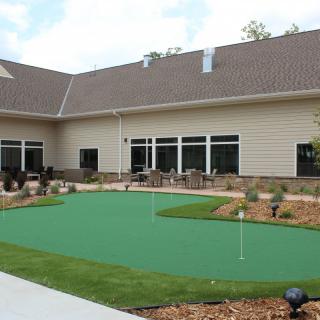
 Garden
 Housekeeping services
 Kitchenette
 Move-in coordination
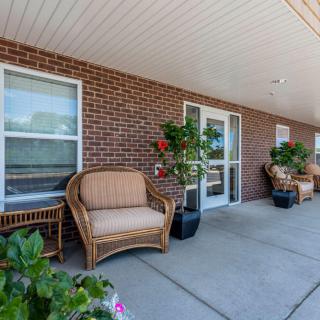
 Outdoor space
 Telephone
 Wi-Fi/high-speed internet available
 St Cloud Regional (12 miles away)
 24-hour call system
 Activities of daily living assistance
 Assistance with bathing
 Assistance with dressing
 Assistance with transfers
 Diabetes diet
 Meal preparation and service
 Medication management
 Mental wellness program
 Special dietary restrictions
 Transportation arrangement (medical)
 Transportation to doctors appointments



 Assisted Living Support for Veterans: A Complete and Detailed Overview
 Exploring the Contrasts Between Assisted Living and Skilled Nursing
 8 Key Indicators That Suggest It May Be Time to Transition from Assisted Living to Skilled Nursing Care