St Crispin Living Community in Red Wing, MN

135 Pioneer Road, Red Wing, MN 55066

For more information about senior living options: (844) 490-3973

3.7 from 74 reviews
5 stars
40
4 stars
10
3 stars
6
2 stars
0
1 stars
18

Assisted Living Memory Care

What level of care are you interested in?

Assisted Living

Memory Care

Independent Living

Skilled Nursing Facility

Continuing Care Retirement Community (CCRC)CCRC

Other


Request a tour at St Crispin Living Community

    Overall Review of St Crispin Living Community

    Pros

    • pro Mike's warmth and attentiveness make families feel at ease from day one.
    • pro The staff are incredibly kind, welcoming, and responsive to residents' needs.
    • pro The community feels like a true home where residents are treated with dignity and care.
    • pro The living spaces are well-kept, clean, and inviting.
    • pro Residents enjoy delicious meals prepared by the culinary team.
    • pro The transition to the community is smooth and compassionate, giving families peace of mind.
    • pro The team consistently goes above and beyond to support residents and their families.

    Cons

    • pro The reviewer described the facility as the worst living home ever, citing unanswered calls and the phone being left off the hook.
    • pro The reviewer alleged neglect of their mother, including leaving her undressed in bed and ignoring hospice recommendations.
    • pro The reviewer would not recommend Benedictine Living Community.
    • pro A family said they were denied access to their grandmother and staff did not help her after she died.
    • pro A loved one reportedly received terrible care and was treated terribly, with visitation being refused.
    • pro The reviewer stated the grandmother was treated poorly and the on-site social worker shut the door in visitors' faces.
    • pro The social worker allegedly totally neglected their loved ones' needs.
    • pro A staff member at the door was rude when asked about visiting a relative.
    • pro The admission process was terrible.

    Review

    This Red Wing community is best suited for families seeking a warm, home-like assisted living experience where transitions are guided by caregivers who treat residents like family. It shines for couples and individuals moving from independent living who want an easy, reassuring path into assisted living, with plenty of social engagement, reliable dining, and staff who remember personal preferences. The atmosphere is people-centric and faith-friendly, with staff who blend practical daily care with a sense of belonging that helps residents feel "at home" from day one.

    Those who may want to consider alternatives include families prioritizing a flawless admissions process and consistently seamless front-desk communication. A number of reviewers note friction around admission paperwork and initial information, and a few accounts highlight unhelpful or less responsive front-line staff. For families whose loved ones require higher-acuity medical oversight, constant clinical monitoring, or a strictly hospital-like environment, this community can feel less aligned with those expectations. In short, if flawless process control and medical intensity are non-negotiable, explore other options while still visiting this Red Wing option for its strengths.

    The strongest positives center on the people who staff the community. The care culture is anchored by warm, attentive team members who go the extra mile during transitions, tours, and ongoing daily life. Residents are often described as well cared for, and the culinary program earns praise for tasty, well-prepared meals. Families repeatedly commend staff for being responsive, listening to questions, and following up - an essential factor when navigating a move to assisted living. The environment itself reinforces the positives: clean, well-kept common areas, a lively social calendar, easy opportunities to socialize, and a sense that residents are part of a larger, caring family. The presence of spiritual guidance and clergy involvement adds another layer of support for those who value faith-based elements in daily life.

    Despite strong positives, several cons appear in the feedback. A recurring theme is inconsistency in the admissions process and some communication gaps, including difficulties reaching the main line or getting timely responses. A handful of reviewers report experiences with staff who were less courteous or less helpful, and there are pointed anecdotes describing neglectful or disrespectful treatment from certain individuals or departments. While these voices are not universal, they are persistent enough to warrant careful scrutiny. Families should approach a tour with specific questions about intake timelines, who handles care planning, and how concerns are escalated and resolved.

    Those pros can significantly offset the drawbacks when the care team demonstrates reliability and compassion over the long arc of a resident's stay. The best indicators are ongoing, personalized attention from known staff, tangible evidence of responsive problem-solving, and continued opportunities for social connection and meaningful activities. The community's ability to repair missteps and maintain a warm atmosphere matters as much as any single positive feature. Notably, stories of compassionate moments - such as thoughtful handling of a loved one's passing and ceremonies that honor families - illustrate a depth of care that often transcends ordinary daily routines and provides real peace of mind for families.

    Bottom line: this Red Wing option is a strong fit for families prioritizing warmth, ease of transition, vibrant social life, and spiritual support. It is less ideal for those who demand perfect, friction-free admissions and front-desk communication, or for families seeking very high-acuity medical oversight in a setting that operates more like a skilled nursing environment. Prospective buyers should visit with a clear checklist: ask who will be the primary contact during the move, request a detailed timeline for admissions, verify staffing ratios on weekends, and insist on speaking with current residents and their families about day-to-day experiences. Also inquire about meal plans, activity calendars, and how the community supports residents during more intensive health changes. With careful due diligence, this Red Wing community can be a compassionate home that delivers real value through its people, its culture, and its commitment to residents' well-being.

    Features

    Housing

    • 21 resident community capacity 21 resident community capacity

    Types of Care

    • Assisted Living Assisted LivingAssisted living facilities provide crucial support and care for seniors who may need help with daily tasks such as medication management, bathing, and meal preparation. These communities offer a safe and comfortable environment where seniors can maintain their independence while receiving the assistance they need to thrive in their golden years.
    • Memory Care Memory CareMemory care is crucial for seniors as it provides specialized support and services for individuals with dementia or Alzheimer's disease. These programs offer a safe and secure environment where residents receive personalized care, cognitive stimulation, and help with daily activities. Memory care helps seniors maintain their independence, quality of life, and dignity while also providing peace of mind for their families.

    Amenities

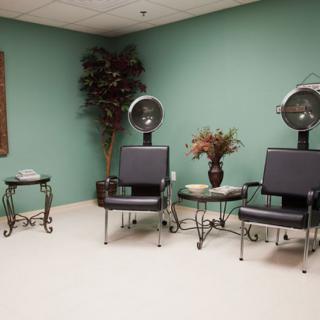
    • Beauty salon Beauty salonBeauty salons are important for seniors because they provide a space for them to feel pampered, socialize, and maintain their personal grooming and hygiene. Regular visits to a beauty salon can help boost seniors' self-esteem and overall well-being.
    • Cable or satellite TV Cable or satellite TVCable or satellite TV is important for seniors because it provides entertainment, news, and companionship, helping to combat loneliness and boredom. It also offers a wide range of programming options tailored to different interests and preferences.
    • Dining room Dining roomDining rooms are important for seniors as they provide a space for socialization, connection, and nutritious meals. They offer opportunities for residents to bond over shared meals, foster a sense of community, and promote healthy eating habits. Dining rooms also ensure that seniors have access to well-balanced meals tailored to their dietary needs and preferences.
    • Fully furnished Fully furnishedFully furnished senior living communities are important for seniors because they provide convenience, comfort, and a hassle-free moving experience. Seniors can easily settle into their new living space without the stress of having to buy and move furniture. This allows them to focus on enjoying their new home and community.
    • Garden GardenGardens are important for seniors as they provide a peaceful and therapeutic environment for relaxation, physical activity, and socialization. Being in nature has been shown to reduce stress, improve mood, and promote overall well-being. Gardens also offer opportunities for seniors to engage in gardening activities, which can improve mobility, flexibility, and cognitive function. Additionally, gardens create a sense of community and connection with others who share a passion for plants and outdoor spaces.
    • Housekeeping services Housekeeping servicesHousekeeping services are important for seniors because they help maintain a clean and safe living environment, promote independence, and reduce the risk of accidents or illnesses. Additionally, having assistance with household chores can alleviate physical strain and allow seniors to focus on other aspects of their well-being.
    • Kitchenette KitchenetteKitchenettes are important for seniors living in senior living communities because they provide the convenience and independence of being able to prepare simple meals and snacks in the comfort of their own living space. This can help promote a sense of autonomy and well-being for seniors, allowing them to maintain some level of control over their dietary choices and daily routines.
    • Move-in coordination Move-in coordinationMove-in coordination is important for seniors because it helps ease the transition into their new living environment. It ensures that all logistics, such as packing, organizing movers, and setting up utilities are taken care of, allowing seniors to focus on settling in and adjusting to their new home. Having a smooth move-in process can alleviate stress and anxiety, making the transition smoother and more enjoyable for seniors.
    • Outdoor space Outdoor spaceOutdoor spaces are important for seniors as they provide opportunities for physical activity, social interaction, exposure to natural light and fresh air, and a sense of connection to nature. Having access to outdoor spaces can improve overall well-being and quality of life for older adults living in senior communities.
    • Telephone TelephoneTelephones are important for seniors as they provide a lifeline for communication with loved ones, emergency services, and healthcare providers. They offer a sense of security and independence, enabling seniors to stay connected and access assistance when needed.
    • Wi-Fi/high-speed internet available Wi-Fi/high-speed internet availableWi-Fi/high-speed internet is important for seniors to stay connected with loved ones, access online resources, and participate in virtual activities to combat feelings of loneliness and isolation. It also allows them to easily manage healthcare needs, access entertainment, and engage in lifelong learning opportunities.

    Care Services

    • 24-hour call system 24-hour call system24-hour call systems are important for seniors because they provide peace of mind and immediate assistance in case of emergencies. This technology ensures that help is always available, promoting safety and security for elderly individuals living alone or in assisted living facilities.
    • 24-hour supervision 24-hour supervision24-hour supervision is important for seniors to ensure their safety, well-being, and access to immediate assistance in case of emergencies or health issues. This constant support provides peace of mind for both seniors and their loved ones, allowing them to age in place with dignity and security.
    • Activities of daily living assistance Activities of daily living assistanceActivities of daily living assistance are important for seniors because they provide essential support with tasks such as eating, bathing, dressing, and mobility. This assistance helps seniors maintain their independence, dignity, and overall quality of life as they age.
    • Assistance with bathing Assistance with bathingAssistance with bathing is crucial for seniors as it helps maintain personal hygiene, prevents infections, and ensures their overall well-being and comfort. It also provides a sense of dignity and independence for seniors who may struggle with this task on their own.
    • Assistance with dressing Assistance with dressingAssistance with dressing is important for seniors because it helps maintain their independence, promotes personal hygiene, prevents accidents and injuries, and improves overall quality of life. This service ensures that seniors can continue to dress comfortably and confidently, despite any physical limitations they may have.
    • Assistance with transfers Assistance with transfersAssistance with transfers is crucial for seniors as it helps prevent falls and injuries, maintains their independence, and ensures they can safely navigate their living environment. It also provides peace of mind for both seniors and their loved ones.
    • Coordination with health care providers Coordination with health care providersCoordination with health care providers is crucial for seniors to ensure proper medical care, medication management, and overall well-being. This collaboration helps prevent overlapping treatments, track progress more effectively, and provide comprehensive support tailored to individual needs.
    • Dementia waiver Dementia waiverDementia waivers are essential for seniors as they provide critical protections and accommodations for those experiencing cognitive decline. These waivers ensure individuals with dementia receive appropriate care, support, and resources to maintain their quality of life and dignity as they navigate the challenges of this progressive condition.
    • Diabetes diet Diabetes dietA diabetes diet is crucial for seniors as it helps manage blood sugar levels, reduce risks of complications, and improve overall health and well-being. By following a balanced and nutritious diet tailored to their specific needs, seniors can better control their diabetes and enhance their quality of life.
    • Hospice waiver Hospice waiverHospice waivers are important for seniors because they allow individuals to receive specialized end-of-life care and support at home or in a hospice facility. This waiver ensures that seniors can access the necessary resources and services to maintain comfort and dignity during their final days.
    • Meal preparation and service Meal preparation and serviceMeal preparation and service are crucial for seniors as they may have limited mobility or energy to cook nutritious meals. Having access to healthy and convenient food options can ensure they are getting the proper nutrition needed to maintain their overall health and well-being.
    • Medication management Medication managementMedication management is crucial for seniors to ensure they are taking the right medications at the correct dosages and times. This helps prevent adverse drug interactions, reduces the risk of medication errors, and promotes overall health and well-being. Proactive management also allows for adjustments as needed based on changing health conditions or new prescriptions.
    • Mental wellness program Mental wellness programMental wellness programs are essential for seniors as they promote cognitive stimulation, emotional support, and social engagement. These programs help prevent isolation, depression, and cognitive decline, ultimately enhancing the overall quality of life for older adults.
    • Mild cognitive impairment Mild cognitive impairment"Mild cognitive impairment" is important for seniors because it is an early stage of cognitive decline that can potentially progress to more severe conditions such as dementia. Recognizing and addressing mild cognitive impairment can help seniors receive appropriate care and support to maintain their quality of life and independence for as long as possible.
    • Special dietary restrictions Special dietary restrictionsSpecial dietary restrictions are important for seniors because age-related changes in metabolism and health conditions can make it difficult for their bodies to process certain foods. By following a diet tailored to their specific needs, seniors can maintain their overall health and well-being, manage chronic conditions, and reduce the risk of complications such as malnutrition or food interactions with medications.
    • Specialized memory care programming Specialized memory care programmingSpecialized memory care programming is crucial for seniors with cognitive impairments such as dementia or Alzheimer's disease. These programs provide a safe and supportive environment tailored to the unique needs of individuals with memory loss, helping them maintain their independence, dignity, and quality of life.
    • Transportation arrangement (medical) Transportation arrangement (medical)Transportation arrangements for medical purposes are essential for seniors as they may have difficulty driving themselves to appointments or accessing public transportation. Having reliable and safe transportation options ensures that seniors can receive timely medical care and maintain their health and well-being.
    • Transportation to doctors appointments Transportation to doctors appointmentsTransportation to doctors' appointments is crucial for seniors as it ensures they have access to necessary medical care and support for their health needs. Without reliable transportation, seniors may struggle to attend important appointments, leading to potential delays in treatment and health complications. Providing transportation services helps seniors maintain their overall well-being and quality of life.
    Dining

    • Diabetes diet Diabetes dietA diabetes diet is crucial for seniors as it helps manage blood sugar levels, reduce risks of complications, and improve overall health and well-being. By following a balanced and nutritious diet tailored to their specific needs, seniors can better control their diabetes and enhance their quality of life.
    • Special dietary restrictions Special dietary restrictionsSpecial dietary restrictions are important for seniors because age-related changes in metabolism and health conditions can make it difficult for their bodies to process certain foods. By following a diet tailored to their specific needs, seniors can maintain their overall health and well-being, manage chronic conditions, and reduce the risk of complications such as malnutrition or food interactions with medications.

    Activities

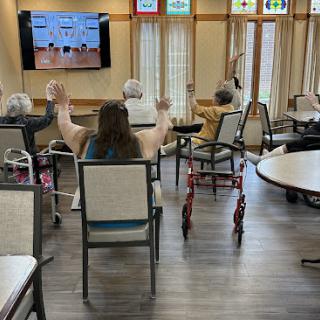
    • Community-sponsored activities Community-sponsored activitiesCommunity-sponsored activities are important for seniors as they provide opportunities for social interaction, mental stimulation, and physical activity. These activities can help improve overall well-being, combat loneliness and isolation, and promote a sense of belonging and purpose among older adults.
    • Resident-run activities Resident-run activitiesResident-run activities are important for seniors as they encourage social interaction, creativity, and a sense of autonomy. These activities empower seniors to stay engaged and active in their community while fostering meaningful connections with their peers.
    • Scheduled daily activities Scheduled daily activitiesScheduled daily activities are important for seniors because they provide structure, socialization, mental stimulation, and physical activity. Engaging in regular activities can improve overall well-being and quality of life for seniors living in a community setting.

    Description

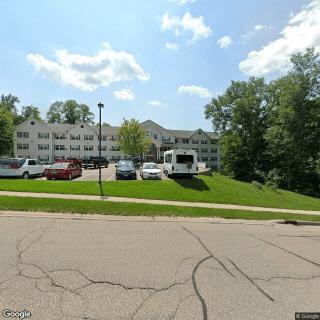
    St Crispin Living Community is a memory care assisted living community located in Red Wing, MN. Our community provides specialized care for individuals with memory impairments, such as dementia or mild cognitive impairment.

    Residents at St Crispin Living Community enjoy a comfortable and fully furnished living environment, complete with amenities such as cable or satellite TV, Wi-Fi/high-speed internet, and housekeeping services. Each resident has access to a kitchenette, allowing them the freedom to prepare their own snacks and beverages.

    Our dedicated staff provides 24-hour supervision and assistance with activities of daily living, including bathing, dressing, and transfers. We also coordinate with healthcare providers to ensure our residents receive the appropriate medical care they need. Additionally, we offer medication management services to help residents stay on track with their prescribed medications.

    At St Crispin Living Community, we understand the importance of mental wellness for individuals with memory impairments. That is why we have developed a specialized memory care programming that includes engaging activities designed to stimulate cognition and enhance overall well-being. Residents can participate in scheduled daily activities or even contribute to resident-run activities.

    We also provide transportation arrangements for medical appointments and are conveniently located near several cafes, parks, pharmacies, restaurants, places of worship, and hospitals.

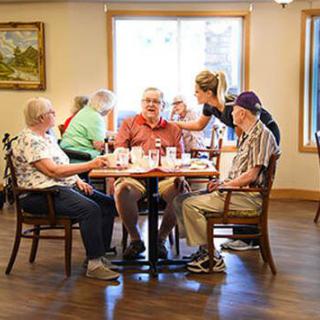
    For those with special dietary needs or restrictions, our dining options include special dietary restrictions accommodations. Our meal preparation and service ensure that all residents receive delicious and nutritious meals tailored to their specific dietary requirements.

    If you are looking for a caring and supportive assisted living community that specializes in memory care in Red Wing, MN, St Crispin Living Community is here to provide personalized care and support for you or your loved one's unique needs.

    Nearby Places of Interest

    Places of Worship

    • General Conference Of Seventh-Day Adventists (1.4 miles)
    • First Presbyterian Church (2 miles)
    • United Lutheran Church-Elca (2.1 miles)
    • St Paul's Lutheran Church (2.1 miles)
    • New Life United Pentecostal Church (2.3 miles)
    • Svea Lutheran Church (7 miles)
    • Wels (8.6 miles)

    Parks

    • Pottery Pond Park (1.7 miles)
    • Memorial Park (2 miles)
    • Central Park Band Shell (2.1 miles)
    • Levee Park (2.4 miles)
    • Colvill Park (2.5 miles)
    • Bay Point Park (2.5 miles)
    • Anderson Park (4.7 miles)

    Transportation

    • Red Wing Taxi (2.2 miles)
    • Red Wing Station (2.4 miles)
    • U-Haul Neighborhood Dealer (2.4 miles)
    • Lawrence Nationalease (2.8 miles)
    • Blue Airways (4.3 miles)
    • Bay City Depot Bnsf (5.1 miles)
    • John's Taxidermy (15.7 miles)

    Pharmacies

    • Family Fare Supermarkets (2.2 miles)
    • Corner Drug (2.2 miles)
    • Mayo Clinic Health System - Pharmacy & Home Medical (3 miles)
    • Walmart Pharmacy (3.5 miles)
    • Walgreens (3.8 miles)
    • Kennedy-Snyder Drug (14.1 miles)

    Cafes

    • Mandy's Coffee & Cafe (2.2 miles)
    • Bev's Cafe (2.3 miles)
    • Caribou Coffee (2.3 miles)

    Restaurants

    • Randys Restaurant (2.2 miles)
    • Liberty's Restaurant & Lounge (2.3 miles)
    • Scarlet Kitchen & Bar (2.3 miles)
    • Bayside Tap & Steakhouse (2.4 miles)
    • Kelly's Taphouse Bar And Grill (2.4 miles)
    • Harbor Restaurant/Bar/Marina (2.6 miles)
    • Perkins Restaurant and Bakery (2.7 miles)

    Physicians

    • Struss Optical (2.2 miles)
    • Sonus (2.3 miles)
    • Joel C Michelson DDS (3.4 miles)
    • Olmsted Medical Center (13.7 miles)
    • Platz, William - Pierce County Human Services (13.9 miles)

    Hospitals

    • Ebenezer At Fairview Red Wing (2.3 miles)
    • MCHS COVID-19 Testing Center (3.9 miles)

    Frequently Asked Questions

    Where is St Crispin Living Community?
    Does St Crispin Living Community provide care for residents with dementia or Alzheimer's disease?

    Nearby Communities

    • St. Crispin Living Community

      St. Crispin Living Community

      Red Wing, MN


      pro Comprehensive care options (Independent Living, Memory Care) with extensive on-site amenities and 24-hour support.

    • Valentines Assisted Living

      Valentines Assisted Living

      Red Wing, MN

      5 from 3 reviews
       

      pro Cozy, fully furnished apartments with 24/7 supervision and comprehensive care.

    • Loving Residence

      Loving Residence

      Red Wing, MN

      5 from 1 review
       

      pro Extensive care services with 24/7 supervision and diverse on-site amenities.

    • Royalty Homes

      Royalty Homes

      Red Wing, MN

      5 from 1 review
      $2,695 to $2,995 / month

      pro Luxurious, well-furnished assisted living with 24/7 care and on-site dining.

    • Potter Ridge

      Potter Ridge

      Red Wing, MN

      4.3 from 9 reviews
       

      pro Small, intimate assisted living with personalized care and on-site amenities (salon, meals, activities).

    • Elysian Home Care

      Elysian Home Care

      Red Wing, MN


      pro Fully furnished apartments, 24/7 supervision, personalized care plans, dining, activities, medication management, and on-site amenities with transport coordination.

    • Cannon Rivers Senior Living

      Cannon Rivers Senior Living

      Cannon Falls, MN

      4.2 from 33 reviews
      $1,095 to $3,195 / month

      pro Friendly, attentive staff; good dining; strong sense of community.

    • New Challenges Inc Afton

      New Challenges Inc Afton

      Hastings, MN

      3.5 from 18 reviews
       

      pro Private bathrooms with high-acuity care

    • Red Cedar Canyon Senior Living

      Red Cedar Canyon Senior Living

      Hudson, WI

      4.2 from 21 reviews
      $2,420 to $3,330 / month

      pro Warm, home-like environment with attentive caregivers and quality dining.

    Related Resources

    • assisted living waiver programA Detailed Exploration of Assisted Living Medicaid Waivers Across the United States

      Medicaid waivers for assisted living services provide vital support for seniors and individuals with disabilities in need of long-term care, with varying state-specific eligibility criteria and benefits. These waivers cover personal care and case management but often do not fully cover room and board, leading to waiting lists for many applicants.

    • assisted living vs skilled nursingExploring the Contrasts Between Assisted Living and Skilled Nursing

      The article compares assisted living and skilled nursing facilities, detailing their differing levels of assistance, medical support, cost structures, and day-to-day experiences. It emphasizes that assisted living is for those needing help with daily activities while maintaining independence, whereas skilled nursing facilities provide intensive medical care with 24-hour staff supervision.

    • active senior livingVibrant Senior Living: A Comprehensive Guide for Active Older Adults

      Vibrant Senior Living emphasizes active senior living communities that promote independence and engagement through diverse amenities and activities, fostering wellness and social interaction among older adults. These communities range from independent to assisted living, with a focus on personal growth, family involvement, financial planning, and leveraging technology to enhance residents' experiences.


    Get Pricing Ask A Question Schedule A Tour Contact Senior Advisor