
26814 143Rd Street, Pierz, MN 56364
For more information about senior living options: (866) 208-4318
Harmony House Costs & Pricing
At Harmony House, the monthly cost for a studio apartment is $2,850, which aligns competitively within its local context. In Morrison County, similar accommodations can be secured for approximately $2,570 per month, suggesting that Harmony House offers slightly higher pricing. However, when compared to the broader state average in Minnesota - where studio apartments typically rent for around $3,617 - Harmony House presents a more accessible option for those seeking quality housing. This positioning not only highlights Harmony House's commitment to providing affordable living solutions but also indicates its value within the regional market.
| Floor plans | Harmony House | Morrison County | Minnesota |
|---|---|---|---|
| Studio | $2,850 | $2,570 | $3,617 |
Memory care communities with a similar price nearby
-
About the same

Highland Senior Living
$2,775 to $3,700 / month12.0 miles away -
About the same

Harmony House of Little Falls
$2,850 / month13.2 miles away
Overall Review of Harmony House
Pros
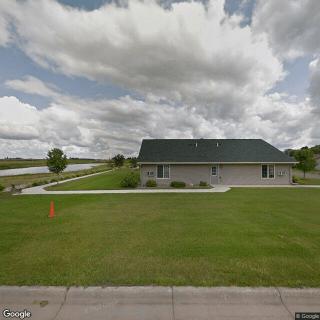
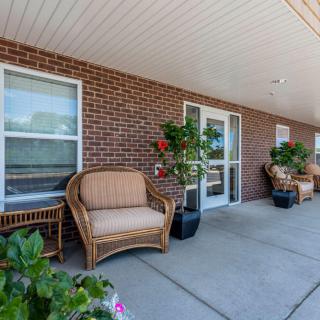
 Harmony House provides a personable, home-like atmosphere.
- The facility is very clean and well kept.
- The facility looks very new and nice, and is quite quiet.
- The staff are very nice and polite.
- The staff seem to care about their jobs and the residents.
- Many residents look happy and content with the atmosphere and the workers.
- Harmony House would be one of the first choices for assisted living for a family member.
Review
Harmony House in Pierz, MN is best suited for seniors who want a quiet, home-like setting where personal care feels intimate and staff interactions are genuinely attentive. The facility conveys a clean, well-kept, and relatively new environment that emphasizes a calm, residential vibe over a hospital-like pace. This combination appeals to residents who value privacy, want to minimize disturbances, and prefer days shaped by a predictable, comfortable routine. The ambience, paired with a staff culture that appears caring and polite, makes Harmony House a credible option for families seeking dignity, cleanliness, and a warm, homelike atmosphere as a foundational consideration.
Those weighing Harmony House should explicitly consider alternatives if the priority shifts toward more robust programming or stronger on-site healthcare resources. For families with members who require higher levels of care, memory-specific programming, or a larger, more active community, a bigger campus with more extensive services may be a better match. Similarly, if the decision hinges on extensive clinical oversight, daily activities, or a broad slate of social opportunities, a community with a wider array of amenities and specialized units could prove more suitable. In short, Harmony House shines in warmth and simplicity, but it may be less compelling for residents who need constant structured programming or advanced medical support.
From the available observations, the strongest pros are the genuinely homey atmosphere, the evident cleanliness, and a staff culture that communicates care through courtesy and engagement. A newer facility with quiet surroundings supports comfortable sleep and predictable routines, which reduces the stress often associated with transitions. Residents appearing happy and content signals consistency in daily interactions and a caring approach from caregivers. These strengths create a meaningful overlap with the needs of seniors who prize dignity, personal attention, and a sense of belonging over a bustling, highly social environment. When those factors align, Harmony House delivers meaningful value.
Yet the potential limitations deserve careful scrutiny in light of individual care trajectories. A smaller, quieter community can translate into fewer social programs, fewer incidental opportunities to meet peers, and a more limited calendar of activities. For those who crave a busy schedule, frequent outings, or a wide variety of dining and amenity options, Harmony House may feel restrained. The absence of clearly demonstrated capacity for specialized medical or dementia care should be verified, as needs evolve. The positive impressions surrounding cleanliness and staff warmth do not automatically compensate for a lack of breadth in services when care complexity increases.
Practical evaluation steps should guide the decision-making process. During tours, inquire about exact care levels offered on-site, staff-to-resident ratios, and the formal process for escalating care as needs change. Review the daily activities calendar, dining options, and safety features such as call systems and fall-prevention measures. Observe meal times and day-to-day staff-resident interactions to gauge engagement and responsiveness. Crucially, assess whether the tranquil pace and intimate setting align with the residentā€™s temperament, sleep needs, and social preferences, and compare Harmony House with other communities that provide more extensive programming or memory-care supports to determine the best long-term fit.
The verdict is practical and specific: Harmony House is a trustworthy choice for families prioritizing a warm, clean, quiet home-like setting with attentive caregivers. It performs exceptionally for residents who value personal attention, a calm daily rhythm, and a visible sense of community happiness. It is not the best pick for those requiring heavy daily programming, broad medical oversight, or dedicated dementia care. For decision-makers, Harmony House should be weighed as a first-tier option whenever the desired profile matches a smaller, intimate setting with a humane, hands-on staff. When broader services are essential, a careful comparison with larger assisted living communities will reveal where the strongest long-term fit truly lies.
 21 resident community capacity
 Assisted Living
 Memory Care
 Activities on-site
 Beauty salon
 Cable or satellite TV
 Devotional services off-site
 Dining room
 Fully furnished
 Garden
 Housekeeping services
 Indoor common areas
 Kitchenette
 Move-in coordination
 Outdoor space
 Respite or short term stays offered
 Telephone
 Wi-Fi/high-speed internet available
 24-hour call system
 Ambulatory care
 Assistance with bathing
 Assistance with dressing
 Assistance with transfers
 Diabetes diet
 Diabetic care
 Meal preparation and service
 Medication management
 Mental wellness program
 Special dietary restrictions
 Transportation arrangement (medical)
 Transportation to doctors appointments





 Understanding Dementia Through Its Seven Stages: A Comprehensive Look at Progression and Expectations
 A Holistic Dementia Care Guide: Effective Strategies for Memory Support
 Memory Care Pathways: A Holistic Guide to Dementia Support