
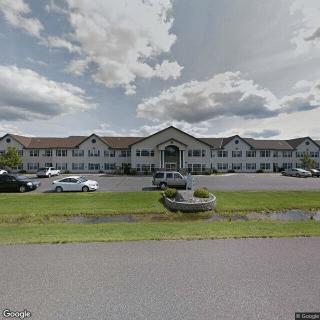
24448 296Th Avenue, Pierz, MN 56364
For more information about senior living options: (866) 208-4318
Overall Review of Harding Place
Pros
 The place is very nice.
- The staff is really great.
- It has a down-home, cozy feeling.
- They are very happy with the care their family member receives.
- The staff is very caring and compassionate.
- The food is good and the place is nice.
Cons
 The food is poor, and it is very loud.
Review
Harding Place in Pierz, MN is best suited for families and seniors who prize a true home-like atmosphere and consistently attentive, personable care. The community stands out when the priority is daily warmth, small-town hospitality, and caregivers who know residents by name and routine. In practical terms, Harding Place serves well for residents who want to feel secure, connected, and embraced by staff who approach care with patience, compassion, and a steady, reassuring presence. The down-home, cozy feeling isn’t cosmetic; it translates into familiar faces at mealtimes, regular check-ins, and a rhythm that mirrors a comfortable, family-style home more than a clinical setting. For families prioritizing relational care over flashy amenities, this is the core strength to lean into.
Those who should consider alternatives are families prioritizing uniform dining quality, a consistently quiet environment, or more structured medical oversight. Reviews show a split on meals, one note calls the food good, another flags it as poor, implying inconsistent dining experiences that may matter for residents who rely on predictable meals. A separate concern in the feedback is noise, described as “very loud” in one account, which can impact sleep, concentration, and overall comfort for residents sensitive to sound or who require more tranquil surroundings. For seniors who need a higher level of medical coordination, frequent on-site physician oversight, or a larger, more expansive campus with a broader activity menu, Harding Place may not check every box. In short, those seeking a calmer social environment or more consistent culinary quality should evaluate options that foreground those specifics.
The strongest offset to the identified downsides is the staff-centric care model. A recurrent theme across the positives is that staff are genuinely caring and compassionate, with multiple reviewers noting the family member’s happiness and “love” for living there. This level of relational care reduces anxiety, strengthens routine, and fosters trust, factors that often determine long-term satisfaction more than any single amenity. Families repeatedly highlight the care team's responsiveness and the way residents respond to that advocacy and attention day in and day out. When care quality is the deciding factor, Harding Place delivers at a high level, turning what could be a generic placement into a trusted, predictable daily experience. In short, the human element largely compensates for the less consistent dining experience.
The home-like atmosphere further compounds the positive impact of strong caregiving. A smaller, intimate setting, with a “down home cozy feeling”, tuts the typical risk of impersonal, hospital-like environments. For many residents, that sense of belonging and the ability to form routine with familiar staff translates into steadier mood, easier transitions, and lower stress during the adjustment period. This is the kind of environment that supports independence within a supported framework: residents feel seen, routines feel stable, and families gain confidence that their loved one is in a setting where personal attention is part of the standard care plan. The trade-off, then, is a dining and acoustics experience that may require some adjustment but does not undermine the fundamental comfort and reliability the setting provides.
Food and noise emerge as the clearest, addressable gaps. On food, the mixed feedback means prospective residents should be proactive: request a meal, discuss menu flexibility, and verify how dietary preferences or restrictions are accommodated over a typical week. The presence of at least occasional praise for meals is encouraging, but the negative note about poor food in another review cannot be ignored for long-term satisfaction. Noise, described as very loud in one critique, points to the social and architectural realities of a smaller community: communal dining, activity spaces, and hallway chatter can elevate sound levels. Prospective families should observe meal and lounge areas at different times, ask about acoustic controls, and inquire whether quiet rooms or dedicated spaces exist for residents who sleep or rest more easily.
In the end, Harding Place is a solid fit for families seeking a warm, caregiver-led living experience in a small-town Minnesota setting. The combination of attentive staff and a homey environment makes it an appealing choice for residents who value daily relationships with care providers and a sense of belonging over polish and distance. However, for those whose top priorities include consistently high-quality meals, a quieter daily soundscape, or advanced medical services, alternatives warrant consideration. The practical path forward is clear: tour with a list of targeted questions, sample meals, and if possible, arrange a trial period to observe how staff interactions translate into daily life across meals, activities, and rest periods. This approach will reveal whether Harding Place’s strengths align with the resident’s priorities, or whether another option may better align with their needs.
 21 resident community capacity
 Assisted Living
 Beauty salon
 Cable or satellite TV
 Dining room
 Fully furnished
 Garden
 Housekeeping services
 Kitchenette
 Move-in coordination
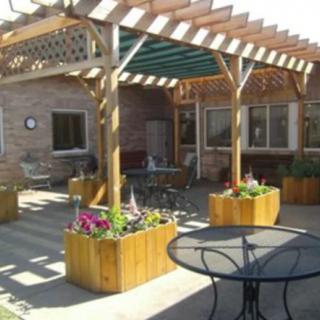
 Outdoor space
 Telephone
 Wi-Fi/high-speed internet available
 Brainerd-Crow Wing County Regional (20 miles away)
 24-hour call system
 Activities of daily living assistance
 Assistance with bathing
 Assistance with dressing
 Assistance with transfers
 Diabetes diet
 Meal preparation and service
 Medication management
 Mental wellness program
 Special dietary restrictions
 Transportation arrangement (medical)
 Transportation to doctors appointments


 Assisted Living and Memory Care: Understanding Their Core Differences
 Beyond the Bingo Hall: 50+ Enriching Activities for Seniors in Assisted Living
 Understanding the Distinctions: Assisted Living and Memory Care Explained