
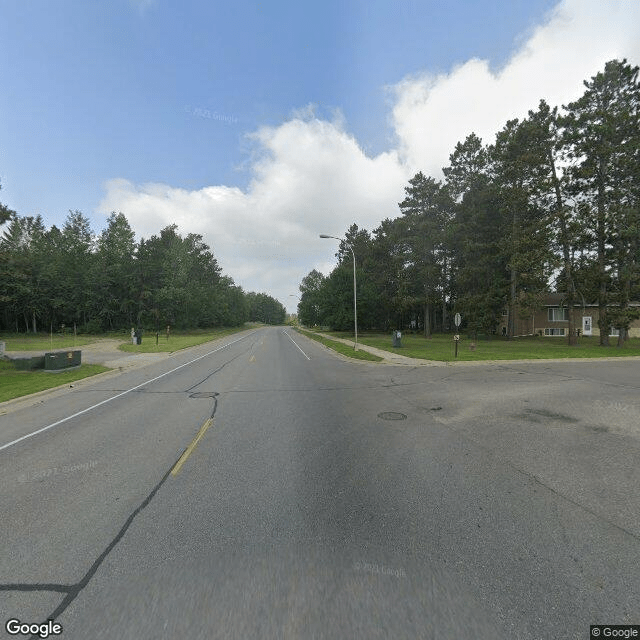
911 Crocus Hill St, Park Rapids, MN 56470
To contact a resident: (218) 732-3606
For more information about senior living options: (866) 208-4318
Diamond Willow Assisted Living of Park Rapids Costs & Pricing
Diamond Willow Assisted Living of Park Rapids presents a premium option for those seeking assisted living accommodations, with a monthly cost of $7,200 for a one-bedroom unit. This figure significantly surpasses both the average costs in Wadena County, which stand at $3,960, and the broader state average of $2,893 in Minnesota. While the investment at Diamond Willow is notably higher than regional and state averages, it reflects the enhanced services and amenities offered to residents. Potential residents and their families should weigh these costs against the quality of care and lifestyle provided at this facility, ensuring that it aligns with their expectations and needs for assisted living.
| Floor plans | Diamond Willow Assisted Living of Park Rapids | Wadena County | Minnesota |
|---|---|---|---|
| 1 Bedroom | $7,200 | $3,960 | $2,893 |
Overall Review of Diamond Willow Assisted Living of Park Rapids
Pros
 Diamond Willow is a very homey, nurturing, and caring place.
- The staff truly knows residents' needs and provides excellent care.
- Heather and the staff go above and beyond to meet residents' needs.
- Families are grateful for the care and the friendship extended.
- Management is very kind and responsive.
- The facility is beautiful and stands out in Park Rapids.
- Heather is a caring nurse and a great leader with a passion for memory care that drives exceptional care.
- The staff are experienced and cohesive, ensuring residents receive the best possible care.
Cons
 They did have a problem with this place.
Review
Diamond Willow Assisted Living of Park Rapids is best suited for seniors who prize a warm, home-like atmosphere and highly attentive, relationship-driven care, especially those with memory-care needs. This community stands out for residents who respond well to consistent, hands-on attention from staff who truly know them by name and by preference. Families seeking a place where care feels personalized, not procedural, will find Diamond Willow especially compelling. The leadership and staff cultivate an environment that feels less clinical and more like a trusted, supportive home, with daily routines that reflect residents’ history, habits, and comfort levels.
Those weighing alternatives should consider options if the priority leans toward a more clinical, hospital-like setting or a larger campus with broad medical partnerships. For residents who require intensive 24/7 skilled nursing oversight or access to a wider array of on-site medical services, a bigger facility or a senior living chain with extensive inpatient capabilities may prove more practical. Likewise, families looking for urban amenities, or facilities with a larger scale and more expansive activity calendars, may want to compare Diamond Willow against communities that offer a different footprint or service mix.
The core strengths of Diamond Willow lie in its “homey,” nurturing culture and the way staff respond with genuine care. Reviewers consistently note that Heather, the director, is not only a caring nurse but a capable leader whose passion for memory care drives tangible results. The staff are described as experienced and cohesive, capable of coordinating care across shifts to ensure residents receive the best possible attention. The combination of a welcoming environment and a leadership team that prioritizes memory-care expertise creates a sense of stability and trust for families, which translates into reliable daily routines, meaningful engagement, and a strong emphasis on safety and comfort.
A practical concern surfaced in one review, acknowledged openly as a learning moment: a problem occurred, but management responded with kindness and effectiveness, addressing the issue promptly. In this setting, that responsiveness matters as much as the care itself. The willingness to listen, the speed of remediation, and the compassionate handling of concerns demonstrate a culture that values residents’ well-being and family peace of mind. Such responsiveness helps mitigate even a rare hiccup, reinforcing confidence that issues will be treated seriously and resolved without drifting into unaddressed dissatisfaction.
When weighing pros against the occasional snag, the balance clearly tilts toward long-term reliability and emotional resonance. The home-like atmosphere reduces the stress that often accompanies transitions into assisted living, while staff continuity and Heather’s memory-care leadership translate into consistent, skilled oversight for residents who need memory supports, structured activities, and routines that feel familiar. The cohesive team approach reduces fragmentation of care and reinforces safety, which is particularly important for seniors susceptible to confusion or anxiety. In short, Diamond Willow delivers a trustworthy, person-centered environment where care staff know residents deeply and act on that knowledge.
The bottom-line guidance is straightforward. Diamond Willow is an excellent fit for families seeking a warm, intimate setting with strong memory-care capabilities and a leadership team that demonstrates genuine, practical commitment to residents’ quality of life. It is a particularly strong choice for those who value personalized attention, predictable routines, and a facility that feels more like a caring home than a clinical institution. For families whose priorities tilt toward more intensive medical services, larger scale, or a more urban experience, it pays to explore alternatives that emphasize clinical capacity or broader amenities. In this community, the overall quality, driven by caring staff, a dedicated director, and a resident-centered culture, puts Diamond Willow at or near the top for its niche, making it a confident recommendation when fit aligns with the care philosophy described.
 Assisted Living
 Memory Care
 Activities on-site
 Devotional services off-site
 Indoor common areas
 Ambulatory care
 Diabetic care
 Meals provided


 Dementia, Paranoia, and Caregiver Guidance: Understanding the Connection
 Engaging Memory Care Activities That Enhance Quality of Life
 When to Transition from Assisted Living to Memory Care: Key Indicators, Steps, and Finding the Right Community