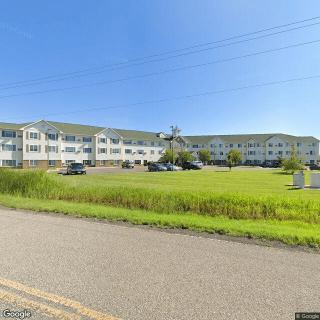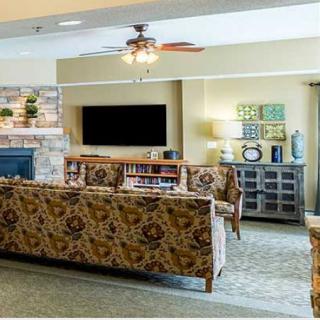


Koda Living Community in Owatonna, MN

Save
Koda Living Community Koda Living Community Koda Living Community

Koda Living Community in Owatonna, MN

2255 30Th Street Nw, Owatonna, MN 55060

For more information about senior living options: (844) 490-3973

3.9 from 23 reviews
5 stars
15
4 stars
1
3 stars
1
2 stars
2
1 stars
4

Assisted Living Independent Living Skilled Nursing Facility

Overall Review of Koda Living Community

Pros

  • pro The staff at Benedictine are attentive, kind, and caring toward residents and their families.
  • pro Lisa Kern, the Director, is praised as wonderful.
  • pro Benedictine Living Community emphasizes wellness, quality of life, and helping residents remain as independent as possible.
  • pro The setting is warm and welcoming, with holiday decorations and a sense of togetherness that lifts spirits.
  • pro Families feel reassured by the staff's genuine care and joyful conversations that support residents.

Cons

  • pro The facility is terrible; its management is severely lacking, and it is not recommended for anyone.
  • pro The staff appeared to prioritize finances over patient care, leaving families feeling neglected.
  • pro The facility cannot be trusted with an elderly loved one, as social workers and managers are seen as cold and uncaring.
  • pro There is not enough staff to provide necessary care, leading to delays such as a resident waiting 30 minutes for assistance.
  • pro The care described was poor, with medication mismanagement contributing to dehydration and kidney failure, and the resident died.
  • pro The nursing staff and on-call doctor were not knowledgeable about a difficult diabetes case.
  • pro Weekend meals were not as good due to a different weekend chef.
  • pro The facility was reprimanded by the state for the lack of care that contributed to the death.

Review

This community is best suited for families seeking a warm, socially engaging environment where skilled nursing and rehabilitation care blend with a strong emphasis on wellness and personal connection. It works well for residents who value attentive, personable staff, meaningful activities, and a home-like atmosphere that feels less clinical than some peers. For seniors who thrive on independent living within a supportive medical setting and who appreciate holiday-like warmth in daily life, this is a compelling option. Yet for those whose decision hinges on flawless, uniform staffing and airtight medical oversight, alternatives deserve serious consideration.

What stands out in favorable reviews are the people delivering care. The nursing and caregiving teams are described as genuinely caring, attentive, and capable on many shifts, with nurses who make a tangible difference in residents' daily well-being. Therapy programs receive praise for effectiveness, and families note that residents often respond positively to engaging conversations, cheerful smiles, and a community that treats everyday moments as meaningful. The dining and routine care are frequently cited as solid, and the facility's wellness orientation - aimed at maintaining independence and quality of life - resonates with families seeking a dignified, resident-centered environment. The holiday-ready atmosphere and staff storytelling add a layer of emotional support that families value.

But the biggest red flags cut through the positives with real impact. Several reviews describe persistent understaffing, which translates into delayed assistance, longer wait times for call lights, and a sense that caregivers are constantly juggling too many tasks. Instances where care fell short - medication mismanagement concerns, dehydration, and situations where residents did not receive timely attention - underscore how critical staffing and responsiveness are to safety and peace of mind. In some cases, families faced distressing outcomes and felt the care team, or management, did not respond with sufficient urgency or empathy. Management perception varies widely, with some families voicing concerns about profit-focused interactions and inconsistent communication, especially between social work, business leadership, and frontline caregivers. A state reprimand cited in reviews serves as a sober reminder that governance and process matter to ongoing safety and quality.

These dynamics mean the pros can offset the cons for many residents, but not uniformly. When staffing is sufficient and caregivers are aligned with a resident's goals, the community delivers warmth, competence, and a sense of belonging that makes daily routines feel manageable and meaningful. The robust therapy experiences and the emphasis on staying as independent as possible can help residents progress and enjoy life within the community. However, where staffing gaps exist or where administrative responsiveness falters, even strong clinical components can struggle to compensate. In such moments, the risk becomes tangible: slow response times, potential gaps in medication safety, and a resident's relief or dissatisfaction may hinge on the steadiness of the care team and the clarity of leadership.

Those weighing alternatives should consider the most consequential needs. If a loved one requires consistently high staffing-to-resident ratios, highly predictable support across all shifts, rigorous medication management, and a governance model with transparent, proactive communication, this community may not be the best fit. Families who prioritize a steady, highly responsive environment and less variability from shift to shift might prefer facilities with stronger staffing assurances and fewer reports of management disconnect. For residents whose goals are social engagement, meaningful activity, and a nurturing, homelike setting, this option remains attractive - provided due diligence is done on current staffing levels and administrative responsiveness.

Practical next steps for decision-making are clear. Schedule in-person visits and specifically request conversations with front-line caregivers, the director, and recently discharged families to gauge today's staffing realities. Ask for exact call-light response benchmarks, tour medication storage and administration routines, and review current care plans for high-acuity needs. Examine state inspection summaries and recent incident reports, and verify how wellness goals are tracked and communicated to families. Compare with nearby communities that offer similar rehab and wellness models but with different staffing assurances. If choosing this community, enter with a clear plan: confirm cost structures, insist on transparent communication channels, and establish a trial period during which care quality and responsiveness can be assessed in real time.

Features

Housing

  • 79 resident community capacity 79 resident community capacity

Types of Care

  • Assisted Living Assisted LivingAssisted living facilities provide crucial support and care for seniors who may need help with daily tasks such as medication management, bathing, and meal preparation. These communities offer a safe and comfortable environment where seniors can maintain their independence while receiving the assistance they need to thrive in their golden years.
  • Independent Living Independent LivingIndependent living communities are important for seniors because they offer a safe and supportive environment where older adults can live independently while still having access to amenities and services that enhance their quality of life. These communities provide social opportunities, recreational activities, and assistance with daily tasks, promoting overall well-being and allowing seniors to maintain their independence for as long as possible.
  • Skilled Nursing Facility Skilled Nursing FacilitySkilled Nursing Facilities are crucial for seniors as they provide round-the-clock medical care, rehabilitation services, and assistance with daily activities. These facilities ensure that seniors receive the specialized care they need to maintain their health and well-being as they age.

Amenities

  • Activities on-site Activities on-siteActivities on-site are important for seniors because they provide opportunities for socialization, mental stimulation, physical activity, and overall well-being. Engaging in activities can help seniors stay active, maintain their independence, and improve their quality of life.
  • Air-conditioning Air-conditioningAir conditioning is important for seniors as they are more vulnerable to heat-related illnesses and may have underlying health conditions that make it difficult for them to regulate their body temperature. It helps to keep them comfortable, safe, and healthy in hot weather.
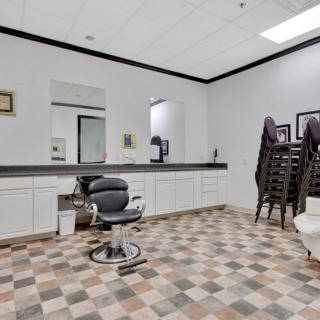
  • Beauty salon Beauty salonBeauty salons are important for seniors because they provide a space for them to feel pampered, socialize, and maintain their personal grooming and hygiene. Regular visits to a beauty salon can help boost seniors' self-esteem and overall well-being.
  • Cable or satellite TV Cable or satellite TVCable or satellite TV is important for seniors because it provides entertainment, news, and companionship, helping to combat loneliness and boredom. It also offers a wide range of programming options tailored to different interests and preferences.
  • Computer center Computer centerA computer center is essential for seniors as it provides access to technology, communication tools, and resources that can enhance their daily lives. It allows them to stay connected with loved ones, engage in online activities, and learn new skills, ultimately promoting socialization and mental stimulation.
  • Devotional services off-site Devotional services off-siteDevotional services off-site are important for seniors as they provide spiritual nourishment, social engagement, and a sense of community outside of the senior living facility. This can enhance overall well-being and help combat feelings of isolation and loneliness often experienced by older adults.
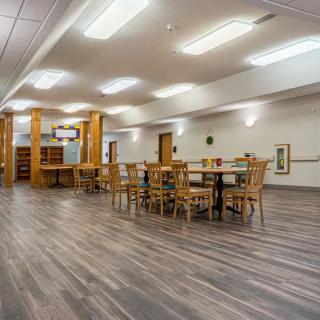
  • Dining room Dining roomDining rooms are important for seniors as they provide a space for socialization, connection, and nutritious meals. They offer opportunities for residents to bond over shared meals, foster a sense of community, and promote healthy eating habits. Dining rooms also ensure that seniors have access to well-balanced meals tailored to their dietary needs and preferences.
  • Fitness room Fitness roomHaving a fitness room in a senior living community is essential for seniors to stay active, maintain their physical health, and improve their overall well-being. Regular exercise can help prevent falls, reduce the risk of chronic diseases, and promote mental sharpness. It also provides social opportunities for residents to connect with others and enjoy a sense of community.
  • Fully furnished Fully furnishedFully furnished senior living communities are important for seniors because they provide convenience, comfort, and a hassle-free moving experience. Seniors can easily settle into their new living space without the stress of having to buy and move furniture. This allows them to focus on enjoying their new home and community.
  • Gaming room Gaming roomGaming rooms are important for seniors as they provide a fun and engaging environment for socializing, cognitive stimulation, and physical activity. Games can improve memory, problem-solving skills, and overall mental well-being while fostering friendships and reducing feelings of isolation.
  • Garden GardenGardens are important for seniors as they provide a peaceful and therapeutic environment for relaxation, physical activity, and socialization. Being in nature has been shown to reduce stress, improve mood, and promote overall well-being. Gardens also offer opportunities for seniors to engage in gardening activities, which can improve mobility, flexibility, and cognitive function. Additionally, gardens create a sense of community and connection with others who share a passion for plants and outdoor spaces.
  • Housekeeping services Housekeeping servicesHousekeeping services are important for seniors because they help maintain a clean and safe living environment, promote independence, and reduce the risk of accidents or illnesses. Additionally, having assistance with household chores can alleviate physical strain and allow seniors to focus on other aspects of their well-being.
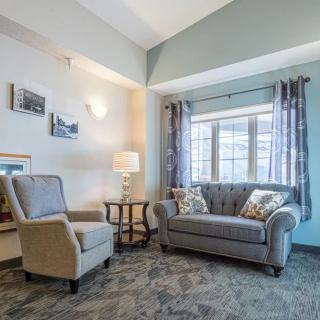
  • Indoor common areas Indoor common areasIndoor common areas are crucial for seniors as they provide a space for socialization, recreation, and community engagement, promoting overall well-being and reducing feelings of isolation and loneliness.
  • Kitchenette KitchenetteKitchenettes are important for seniors living in senior living communities because they provide the convenience and independence of being able to prepare simple meals and snacks in the comfort of their own living space. This can help promote a sense of autonomy and well-being for seniors, allowing them to maintain some level of control over their dietary choices and daily routines.
  • Move-in coordination Move-in coordinationMove-in coordination is important for seniors because it helps ease the transition into their new living environment. It ensures that all logistics, such as packing, organizing movers, and setting up utilities are taken care of, allowing seniors to focus on settling in and adjusting to their new home. Having a smooth move-in process can alleviate stress and anxiety, making the transition smoother and more enjoyable for seniors.
  • Outdoor space Outdoor spaceOutdoor spaces are important for seniors as they provide opportunities for physical activity, social interaction, exposure to natural light and fresh air, and a sense of connection to nature. Having access to outdoor spaces can improve overall well-being and quality of life for older adults living in senior communities.
  • Private bathrooms Private bathroomsPrivate bathrooms are important for seniors in senior living communities because they provide independence, dignity, and comfort. Having a private bathroom allows seniors to maintain their personal hygiene routines without the need for assistance, promoting a sense of autonomy and privacy. Additionally, private bathrooms help prevent the spread of infections and provide a safe and clean environment for seniors to navigate safely.
  • Restaurant-style dining Restaurant-style diningRestaurant-style dining is important for seniors because it allows them to enjoy delicious, nutritious meals in a social and upscale setting. This enhances their dining experience, promotes healthy eating habits, and fosters socialization with fellow residents, ultimately contributing to their overall well-being and quality of life.
  • Small library Small librarySmall libraries are important for seniors as they provide access to a variety of reading materials, including books, newspapers, and magazines. This can help stimulate their minds, keep them engaged, and provide a sense of community through book clubs and other social activities. Additionally, reading has been shown to improve cognitive function and overall mental well-being in older adults.
  • Telephone TelephoneTelephones are important for seniors as they provide a lifeline for communication with loved ones, emergency services, and healthcare providers. They offer a sense of security and independence, enabling seniors to stay connected and access assistance when needed.
  • Wellness center Wellness centerWellness centers are important for seniors because they offer a variety of programs and services that promote physical, mental, and emotional well-being. These centers provide opportunities for exercise, socialization, education, and relaxation, helping seniors maintain their overall health and quality of life.
  • Wi-Fi/high-speed internet available Wi-Fi/high-speed internet availableWi-Fi/high-speed internet is important for seniors to stay connected with loved ones, access online resources, and participate in virtual activities to combat feelings of loneliness and isolation. It also allows them to easily manage healthcare needs, access entertainment, and engage in lifelong learning opportunities.

Transportation

  • Community operated transportation Community operated transportationCommunity operated transportation is crucial for seniors as it provides them with the means to access essential services, social activities, and medical appointments. It allows seniors to maintain their independence and quality of life by ensuring they can participate in activities outside of their homes. Additionally, community-operated transportation services offer a safe and reliable way for seniors to travel without having to rely on family or friends for assistance.
  • Transportation arrangement Transportation arrangementTransportation arrangements are crucial for seniors as they may face challenges with driving, mobility, or access to public transportation. Having reliable transportation services ensures that seniors can easily attend appointments, social activities, and maintain their independence and quality of life.
  • Transportation arrangement (non-medical) Transportation arrangement (non-medical)Transportation arrangements are essential for seniors as they provide access to essential services, activities, and social interactions outside the home. This service helps maintain independence, mobility, and overall well-being for seniors who may have limited transportation options.
  • Transportation to doctors appointments Transportation to doctors appointmentsTransportation to doctors appointments is crucial for seniors as it ensures they have access to necessary medical care and support, promoting their health and well-being. It allows them to receive timely treatment, monitor existing conditions, and address any new health concerns efficiently. Additionally, transportation services can help seniors maintain their independence and quality of life by enabling them to stay connected with their healthcare providers.

Care Services

  • 12-16 hour nursing 12-16 hour nursing12-16 hour nursing care is crucial for seniors in order to ensure around-the-clock monitoring, timely medication administration, and prompt response to any health concerns or emergencies. This level of care helps to promote the overall well-being and safety of seniors living in senior living communities.
  • 24-hour call system 24-hour call system24-hour call systems are important for seniors because they provide peace of mind and immediate assistance in case of emergencies. This technology ensures that help is always available, promoting safety and security for elderly individuals living alone or in assisted living facilities.
  • 24-hour supervision 24-hour supervision24-hour supervision is important for seniors to ensure their safety, well-being, and access to immediate assistance in case of emergencies or health issues. This constant support provides peace of mind for both seniors and their loved ones, allowing them to age in place with dignity and security.
  • Activities of daily living assistance Activities of daily living assistanceActivities of daily living assistance are important for seniors because they provide essential support with tasks such as eating, bathing, dressing, and mobility. This assistance helps seniors maintain their independence, dignity, and overall quality of life as they age.
  • Ambulatory care Ambulatory care"Ambulatory care services provide essential medical support and treatment to seniors without requiring hospitalization, allowing them to maintain their independence and quality of life while managing chronic conditions or receiving routine medical care."
  • Assistance with bathing Assistance with bathingAssistance with bathing is crucial for seniors as it helps maintain personal hygiene, prevents infections, and ensures their overall well-being and comfort. It also provides a sense of dignity and independence for seniors who may struggle with this task on their own.
  • Assistance with dressing Assistance with dressingAssistance with dressing is important for seniors because it helps maintain their independence, promotes personal hygiene, prevents accidents and injuries, and improves overall quality of life. This service ensures that seniors can continue to dress comfortably and confidently, despite any physical limitations they may have.
  • Assistance with transfers Assistance with transfersAssistance with transfers is crucial for seniors as it helps prevent falls and injuries, maintains their independence, and ensures they can safely navigate their living environment. It also provides peace of mind for both seniors and their loved ones.
  • Diabetes diet Diabetes dietA diabetes diet is crucial for seniors as it helps manage blood sugar levels, reduce risks of complications, and improve overall health and well-being. By following a balanced and nutritious diet tailored to their specific needs, seniors can better control their diabetes and enhance their quality of life.
  • Diabetic care Diabetic careDiabetic care is crucial for seniors as they are more susceptible to developing diabetes due to aging and other health conditions. Proper management of diabetes can help prevent complications such as heart disease, vision loss, and nerve damage, improving the overall quality of life for seniors in senior living communities.
  • Meal preparation and service Meal preparation and serviceMeal preparation and service are crucial for seniors as they may have limited mobility or energy to cook nutritious meals. Having access to healthy and convenient food options can ensure they are getting the proper nutrition needed to maintain their overall health and well-being.
  • Medication management Medication managementMedication management is crucial for seniors to ensure they are taking the right medications at the correct dosages and times. This helps prevent adverse drug interactions, reduces the risk of medication errors, and promotes overall health and well-being. Proactive management also allows for adjustments as needed based on changing health conditions or new prescriptions.
  • Mental wellness program Mental wellness programMental wellness programs are essential for seniors as they promote cognitive stimulation, emotional support, and social engagement. These programs help prevent isolation, depression, and cognitive decline, ultimately enhancing the overall quality of life for older adults.
  • Special dietary restrictions Special dietary restrictionsSpecial dietary restrictions are important for seniors because age-related changes in metabolism and health conditions can make it difficult for their bodies to process certain foods. By following a diet tailored to their specific needs, seniors can maintain their overall health and well-being, manage chronic conditions, and reduce the risk of complications such as malnutrition or food interactions with medications.

Dining

  • Diabetes diet Diabetes dietA diabetes diet is crucial for seniors as it helps manage blood sugar levels, reduce risks of complications, and improve overall health and well-being. By following a balanced and nutritious diet tailored to their specific needs, seniors can better control their diabetes and enhance their quality of life.
  • Meals provided Meals provided"Meals provided" are crucial for seniors in assisted living communities as it ensures they have access to nutritious, balanced meals without the stress of meal planning and preparation. This can help promote overall health and well-being for seniors who may have limited mobility or cognitive abilities.
  • Special dietary restrictions Special dietary restrictionsSpecial dietary restrictions are important for seniors because age-related changes in metabolism and health conditions can make it difficult for their bodies to process certain foods. By following a diet tailored to their specific needs, seniors can maintain their overall health and well-being, manage chronic conditions, and reduce the risk of complications such as malnutrition or food interactions with medications.

Activities

  • Activities on-site Activities on-siteActivities on-site are important for seniors because they provide opportunities for socialization, mental stimulation, physical activity, and overall well-being. Engaging in activities can help seniors stay active, maintain their independence, and improve their quality of life.
  • Community-sponsored activities Community-sponsored activitiesCommunity-sponsored activities are important for seniors as they provide opportunities for social interaction, mental stimulation, and physical activity. These activities can help improve overall well-being, combat loneliness and isolation, and promote a sense of belonging and purpose among older adults.
  • Concierge services Concierge servicesConcierge services are essential for seniors as they provide assistance with daily tasks and errands, enhance their quality of life by offering convenience and personalized care, and promote a sense of safety and security.
  • Devotional activities offsite Devotional activities offsiteDevotional activities offsite are important for seniors because they provide social engagement, spiritual growth, and a sense of community outside of their living environment. This can improve overall well-being, mental health, and combat feelings of isolation or loneliness.
  • Fitness programs Fitness programsFitness programs are crucial for seniors as they help improve strength, flexibility, balance, and overall well-being. Staying active can reduce the risk of chronic diseases, improve mental health, and enhance quality of life in older adults.
  • Planned day trips Planned day tripsPlanned day trips are important for seniors because they offer opportunities for socialization, mental stimulation, and physical activity. They provide a change of scenery and help seniors stay engaged and connected to their community, promoting overall well-being and quality of life.
  • Resident-run activities Resident-run activitiesResident-run activities are important for seniors as they encourage social interaction, creativity, and a sense of autonomy. These activities empower seniors to stay engaged and active in their community while fostering meaningful connections with their peers.
  • Scheduled daily activities Scheduled daily activitiesScheduled daily activities are important for seniors because they provide structure, socialization, mental stimulation, and physical activity. Engaging in regular activities can improve overall well-being and quality of life for seniors living in a community setting.

Description

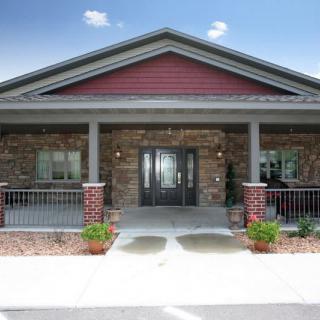
The Koda Living Community in Owatonna, MN is a vibrant and welcoming assisted living community that offers a range of care services to meet the individual needs of its residents. With independent living and skilled nursing facility options available, this community provides a supportive environment for older adults who may require assistance with daily activities or specialized care.

Residents at Koda Living Community can enjoy a variety of amenities designed to enhance their comfort and well-being. Air-conditioning ensures a cool and comfortable living environment, while a beauty salon allows residents to pamper themselves. Cable or satellite TV is provided for entertainment, and community-operated transportation is available for outings and appointments. A computer center allows residents to stay connected, while devotional services off-site cater to their spiritual needs.

Dining at Koda Living Community is a delightful experience. Meals are provided in a restaurant-style dining room, with special dietary restrictions accommodated. Meal preparation and service ensures that residents receive nutritious and delicious meals tailored to their specific needs.

Engaging activities are an integral part of life at Koda Living Community. Residents can participate in community-sponsored activities, fitness programs, planned day trips, resident-run activities, and scheduled daily activities. Concierge services are available to assist with any personal needs or requests.

Convenience is key at Koda Living Community, with numerous establishments located nearby. Two cafes provide options for socializing outside the community, along with five parks for outdoor recreation. Nine pharmacies ensure easy access to medications, while three physicians are conveniently located for medical care. Nearby restaurants offer a variety of dining choices for residents, while transportation options ensure ease of travel within the area. Additionally, 13 places of worship cater to residents' spiritual needs.

With its comprehensive range of care services, abundance of amenities, engaging activities program, and convenient location near various establishments and services in Owatonna,MN,Koda Living Community is an ideal choice for older adults seeking a fulfilling and supportive assisted living environment.

Videos

Nearby Places of Interest

Hospitals

  • Owatonna Hospital Sleep Center (0.1 miles)
  • Allina Health Laboratory - Owatonna Hospital (0.1 miles)
  • Owatonna Clinic (0.2 miles)
  • Owatonna Hospital (2.8 miles)
  • District One Donations (12.1 miles)
  • Melissa Appel, MD - Appel Melissa MD (12.1 miles)

Physicians

  • Horizon Eye Care Professionals (0.4 miles)
  • Southeastern Minnesota Oral & Maxillofacial Surgery Associates (3.2 miles)
  • McGregor Chiropractic PC (3.3 miles)
  • Cruz Eugene Dela Dpm (12.1 miles)
  • Ganeshan Vathsala MD (12.1 miles)
  • Orthopaedic & Fracture Clinic Pa (12.2 miles)
  • Cannon Valley Clinic (12.3 miles)

Places of Worship

  • Daybreak Community Church (0.5 miles)
  • Fellowship of Kings (1.1 miles)
  • Grace Baptist Church (1.5 miles)
  • Good Shepherd Lutheran Church (2 miles)
  • Iglesia Linaje Escogido (2.4 miles)
  • Bethel Church (2.4 miles)
  • Knights of Columbus (2.9 miles)

Pharmacies

  • Sterling LTC Pharmacy (1 miles)
  • Genoa Healthcare (1.6 miles)
  • Sterling Owatonna (2 miles)
  • Sterling Pharmacy (2 miles)
  • Astrup Drug (2 miles)
  • Sterling Drug (2.1 miles)
  • Hy-Vee Pharmacy (3.4 miles)

Cafes

  • Peet's Coffee and Tea (1.1 miles)
  • Starbucks (2.1 miles)
  • Crooked Pint Ale House (12.4 miles)

Restaurants

  • McDonald's (1.2 miles)
  • Don Juan Cantina & Grill (1.2 miles)
  • East Wind Buffet (1.2 miles)
  • Culver's (1.2 miles)
  • Grace's tex mex (1.3 miles)
  • Plaza Morena Campestre Grill (1.4 miles)
  • Hardee's (1.4 miles)

Transportation

  • Tonna Taxi Service (1.4 miles)
  • Enterprise Rent-A-Car (1.4 miles)
  • U-Haul Moving & Storage (1.5 miles)
  • U-Haul Neighborhood Dealer (1.5 miles)
  • Enterprise Rent-A-Car (3.1 miles)
  • Enterprise Rent-A-Car (3.7 miles)
  • First Choice Shuttle (10.8 miles)

Parks

  • Kaplan Woods State Park (1.7 miles)
  • Lake Chase Park (1.8 miles)
  • Gainey Park (2.5 miles)
  • Jaycee Park (2.9 miles)
  • Minot Brown Park (3.2 miles)
  • SMMAC Air Field (7.8 miles)
  • Kanne State Wildlife Management Area (9.1 miles)

Theaters

  • Northwoods Cinema 10 (2.2 miles)
  • CEC Theatres (2.2 miles)

Frequently Asked Questions

Where is Koda Living Community?
What photos are available for Koda Living Community in Owatonna, Minnesota?

Nearby Communities

  • Allina Health Home Health IV

    Allina Health Home Health IV

    Owatonna, MN


    pro Comprehensive care and amenities (24-hour supervision, medication management, meals, housekeeping, mental wellness, social activities).

  • Valleyview Assisted Living

    Valleyview Assisted Living

    Owatonna, MN

    3.8 from 18 reviews
    $2,300 to $2,550 / month

    pro Friendly staff and affordable pricing.

  • Traditions of Owatonna I

    Traditions of Owatonna I

    Owatonna, MN

    4.2 from 29 reviews
    $3,300 to $4,000 / month

    pro Friendly staff and well-kept, spacious facilities with engaging activities and on-site care options.

  • International Quality Homecare I

    International Quality Homecare I

    Owatonna, MN


    pro Comprehensive 24/7 care (ADLs, medication management, transport) with holistic wellness and furnished apartments.

  • Traditions Of Owatonna

    Traditions Of Owatonna

    Owatonna, MN

    4.1 from 8 reviews
     

    pro Friendly staff and engaging activities in a well-kept, secure setting.

  • Traditions of Owatonna II

    Traditions of Owatonna II

    Owatonna, MN

    4 from 23 reviews
    $2,999 / month

    pro Welcoming, caring staff with engaging activities.

  • Birchwood Cottage I

    Birchwood Cottage I

    Owatonna, MN


    pro Compact, supportive community with 24-hour care, medical coordination, and engaging activities.

  • Ecumen CountrySide

    Ecumen CountrySide

    Owatonna, MN

    4.8 from 6 reviews
    $2,815 to $3,150 / month

    pro Caring staff in a modern, spacious facility with a wide activity schedule.

  • Faribault Senior Living

    Faribault Senior Living

    Faribault, MN

    4.2 from 5 reviews
     

    pro Caring staff, flexible dining, and engaging activities.

Assisted Living in Nearby Cities

Related Resources

  • when to move from assisted living to nursing home8 Key Indicators That Suggest It May Be Time to Transition from Assisted Living to Skilled Nursing Care

    The transition from assisted living to skilled nursing care is often prompted by complex medical needs that assisted living cannot meet, with key indicators including frequent health declines, increased falls, severe memory issues, and caregiver burnout. Families should recognize these signs early to discuss options with healthcare providers and prepare for the emotional and logistical aspects of moving to a facility that offers comprehensive medical support.

  • active senior livingVibrant Senior Living: A Comprehensive Guide for Active Older Adults

    Vibrant Senior Living emphasizes active senior living communities that promote independence and engagement through diverse amenities and activities, fostering wellness and social interaction among older adults. These communities range from independent to assisted living, with a focus on personal growth, family involvement, financial planning, and leveraging technology to enhance residents' experiences.

  • when to move from assisted living to memory careWhen to Transition from Assisted Living to Memory Care: Key Indicators, Steps, and Finding the Right Community


    Transitioning from assisted living to memory care is driven by an individual's cognitive decline and specific needs, requiring careful evaluation of indicators like increased confusion and wandering. The process involves consulting medical professionals, researching suitable communities, considering financial and legal aspects, and ensuring effective communication for personalized care plans.