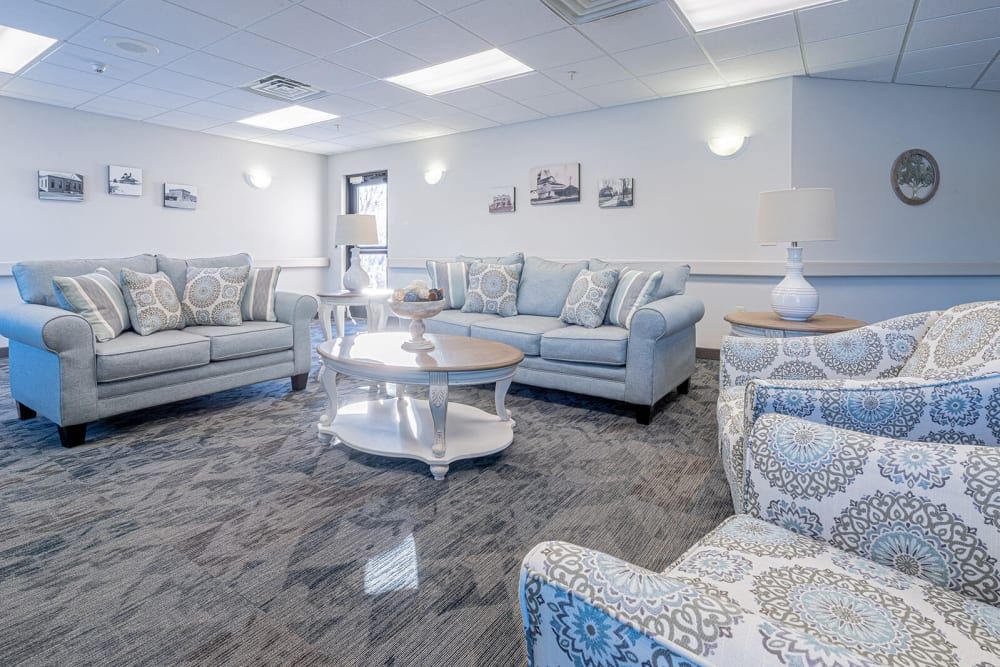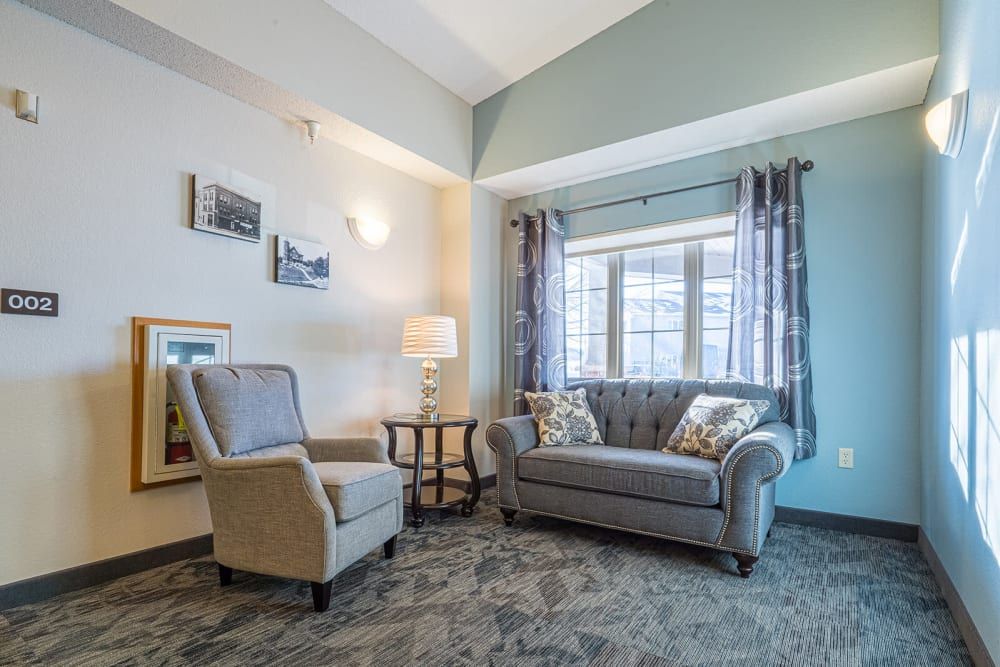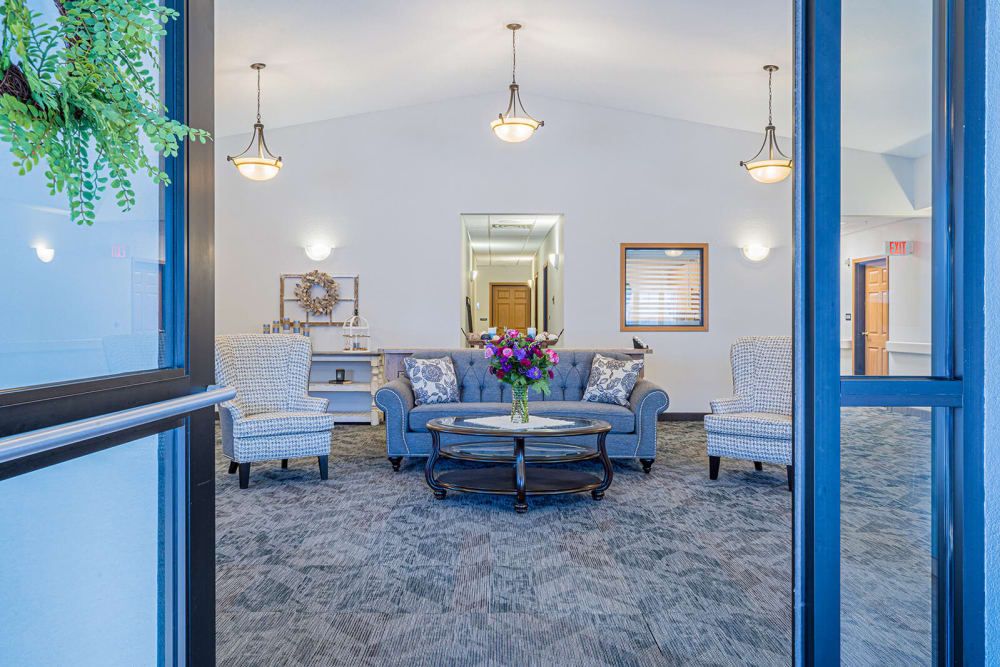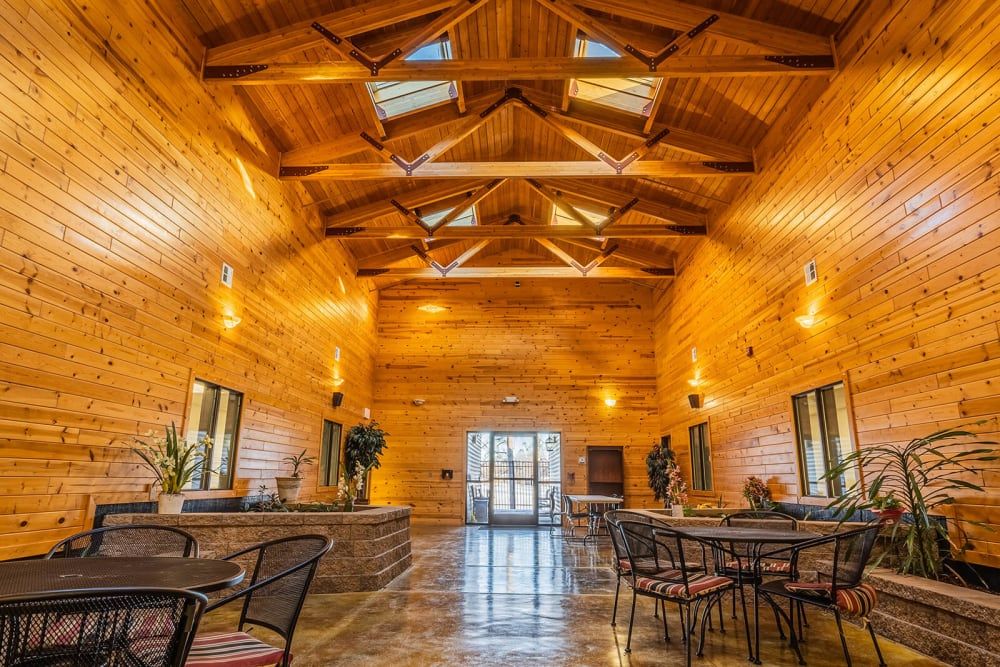
150 24th Street NE, Owatonna, MN 55060
For more information about senior living options: (866) 208-4318
Overall Review of Traditions Of Owatonna
Pros
 The tour guide was very nice, well-spoken, and explained everything; he is great.
- The staff are pleasant and cooperative.
- Traditions II offers a variety of activities for residents, including weekly musicians.
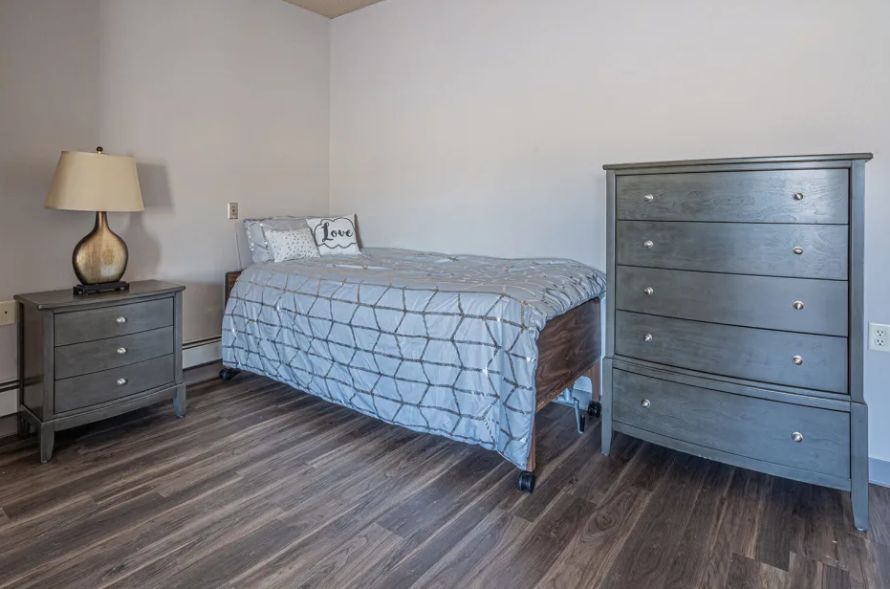
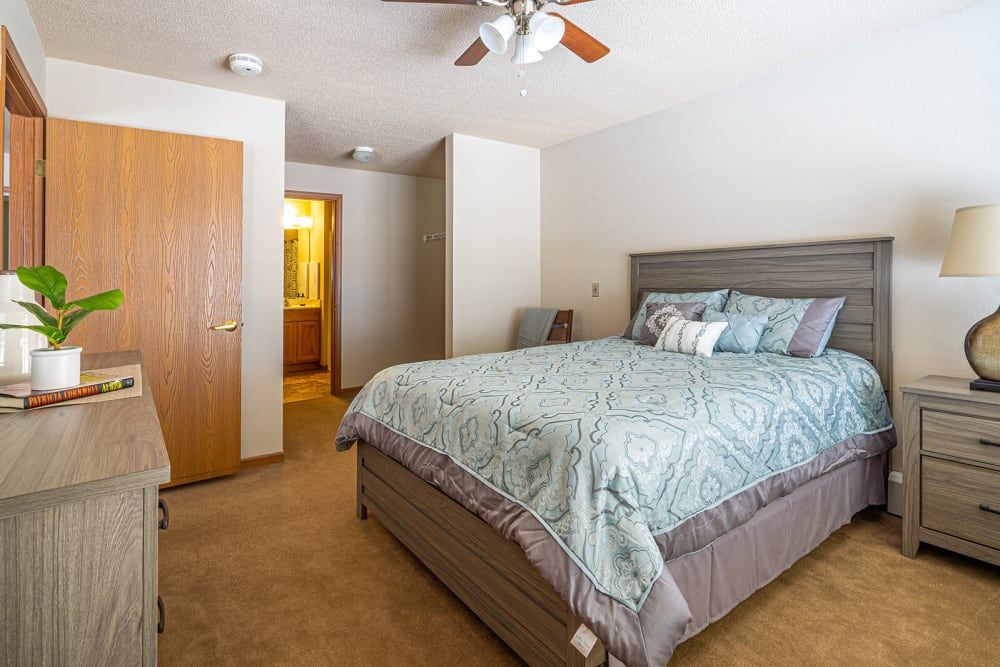
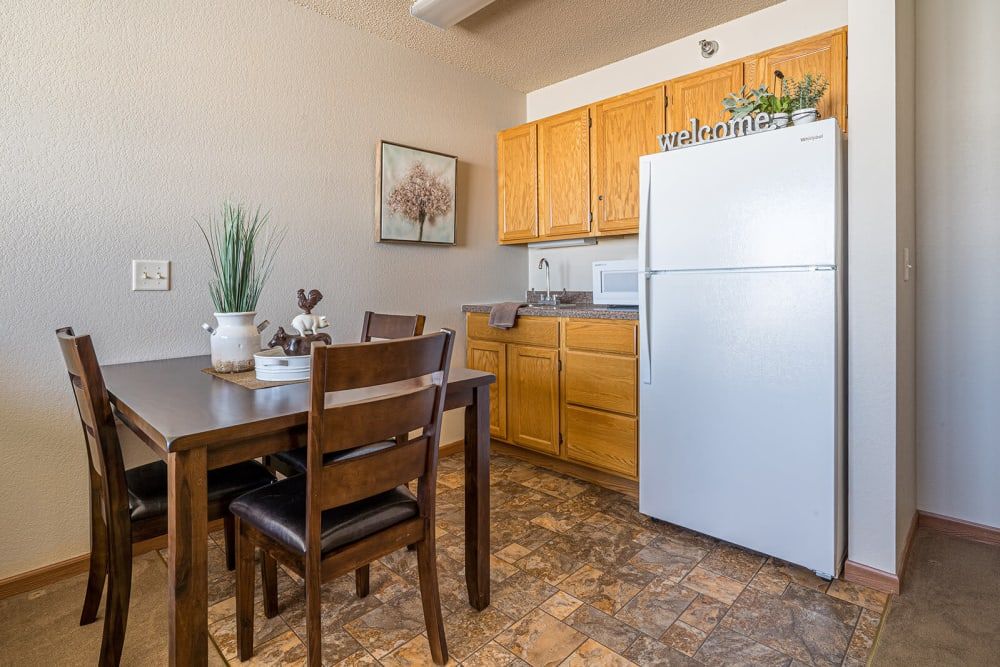
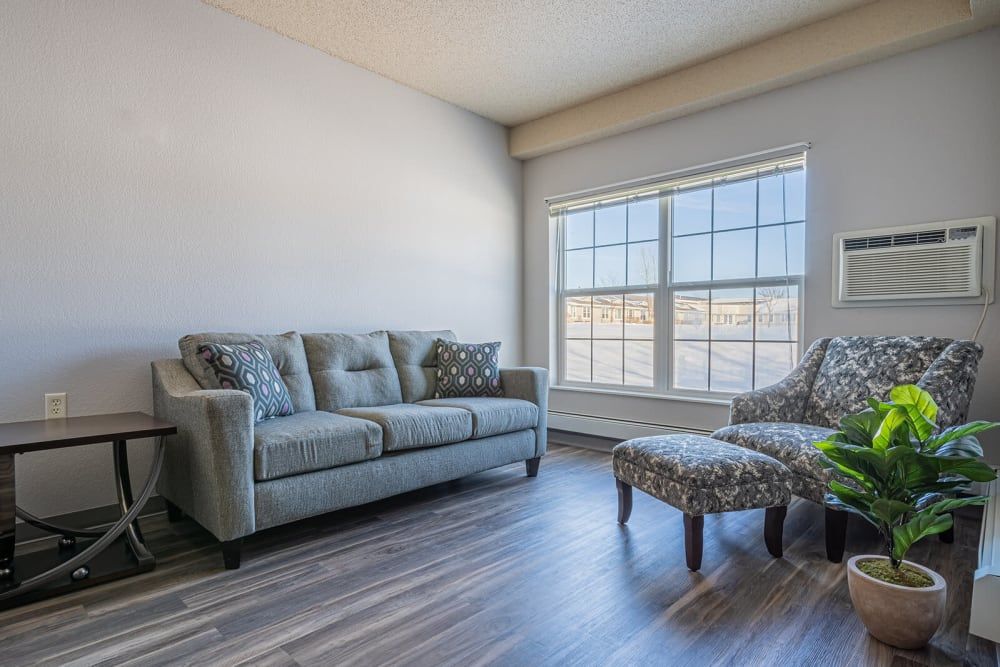
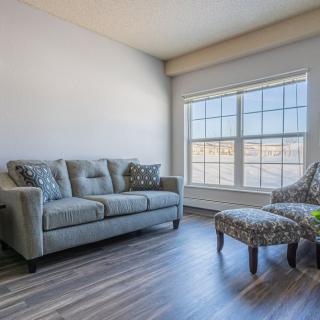
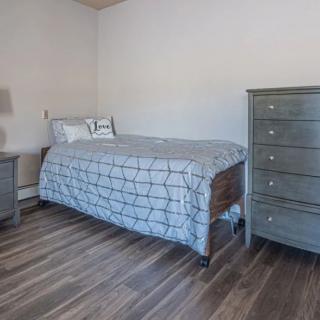
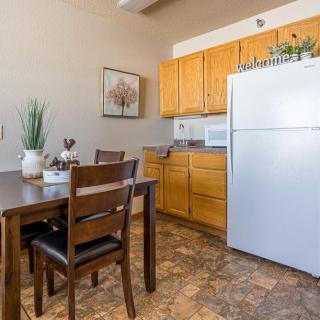
- The living environment fits the resident, and the apartments are nice with private TV and phone.
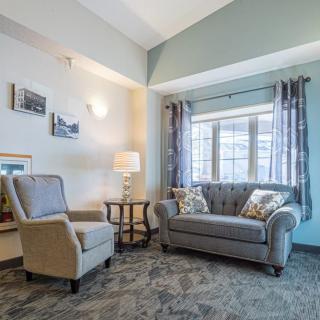
- The building is very well kept; Traditions is top notch; the staff are friendly; residents stay busy with activities.
- The father enjoys outings to Twins games and trips to the movie theatre and Walmart, and receives attentive care.
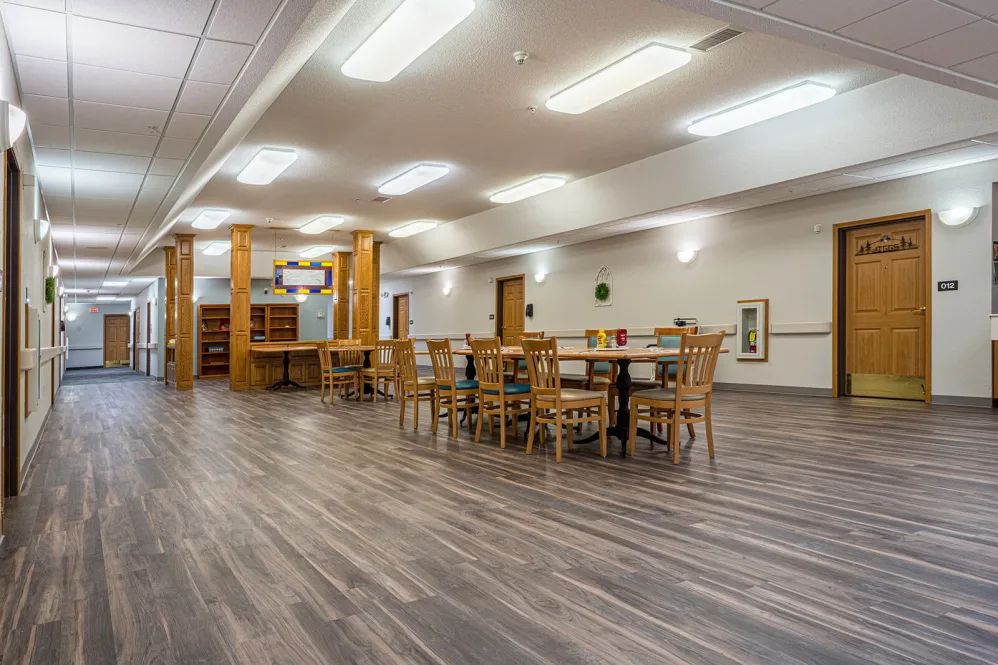
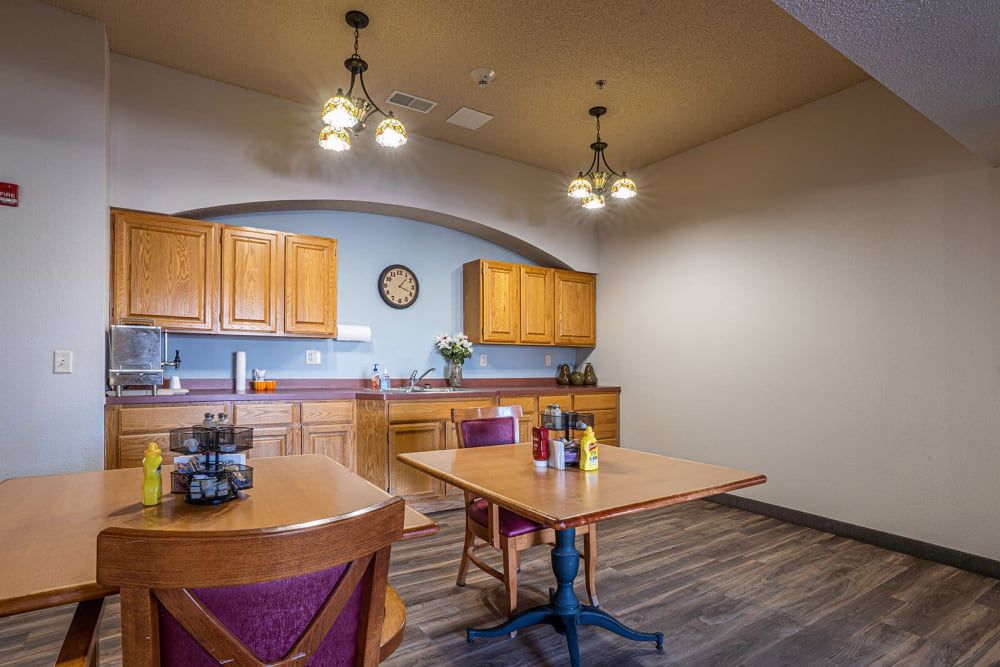
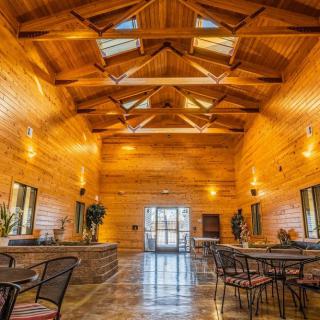
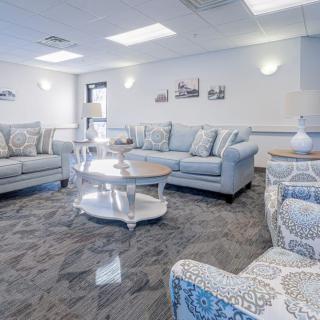
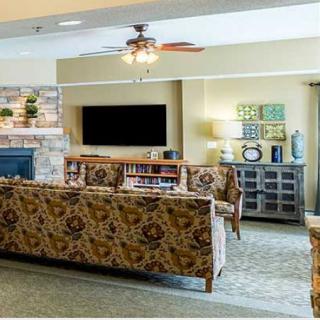
- The rooms are large, with a community room and a chapel, and the staff are friendly.
- The staff are wonderful and helped the family with Medicaid; the resident has adjusted well and is happy.
Cons
 The reviewer regrets having placed their mother in Traditions II.
- They reported that staff left the mother lying on the floor for at least seven hours before realizing she might need medical assistance.
- The fall caused a brain hemorrhage, which later contributed to her death.
- They stated that Traditions II is no place for a mom or dad.
Review
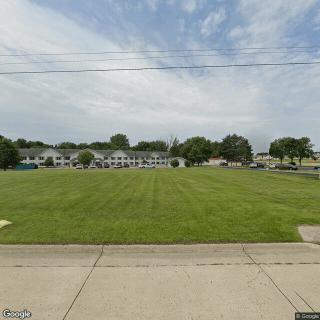
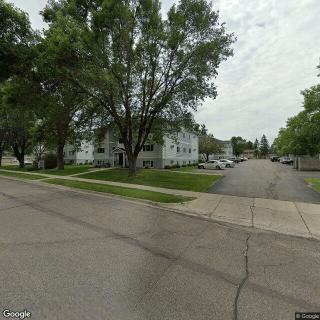
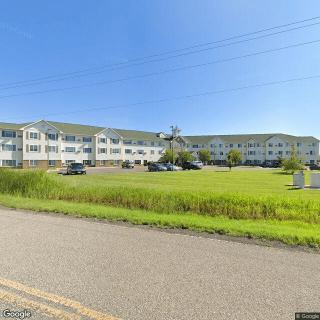
Traditions of Owatonna is best suited for seniors who want an active, socialized assisted-living environment with a clear path to memory-care support on campus, and for families that value programming, outings, and a secure, community-oriented setting. The two-building arrangement, memory care and assisted living side by side with a central courtyard, creates continuity of care without forcing residents into a single generic floor plan. Couples or roommates can stay together in a campus that still offers distinct living spaces, and families navigating Medicaid or transition steps will find staff experienced in smoothing those processes. This campus rewards residents who want to stay engaged, with a built-in rhythm of activities and outside excursions.
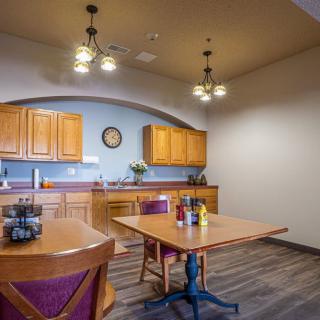
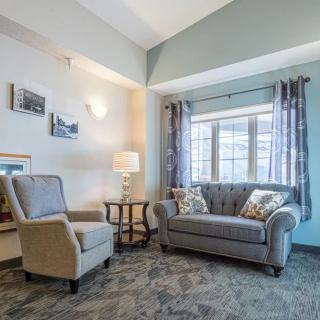
The strongest pros are tangible and well- considered. The facility is well kept and the atmosphere feels orderly and welcoming, with friendly staff who handle day-to-day needs and dedicated attention to residents. A robust slate of activities punctuates the week, musicians, outings to the Twins games, movie theater trips, and trips to stores, keeping residents mentally and socially engaged. Large apartments with private TVs and phones give a sense of independence, while shared spaces such as a community room and a chapel support social and spiritual life. The secure courtyard provides an appealing outdoor option for residents who enjoy fresh air without wandering into unsafe areas, and the layout with offices in the center and rooms around the perimeter helps staff stay visible and responsive. The staff’s practical support with Medicaid transitions is repeatedly highlighted as a meaningful relief for families navigating funding and eligibility.
Yet, the campus carries notable cautions that demand careful consideration. A single, highly troubling incident described by a family, a resident who fell and was left on the floor for an extended period before medical intervention, casts a shadow over safety and responsiveness. Such an event is unacceptable and must be a focal point of any decision, not an afterthought, because it speaks to the core expectation of timely help in a crisis. In addition, some reviewers note limited access to rooms during visits, which hindered their ability to assess cleanliness or daily operations firsthand. That lack of visibility can leave families with lingering questions about hygiene, meal quality, and routine upkeep. While many reports praise the staff, the absence of universal, transparent feedback on these details means prospective residents should push for concrete, up-to-date assurances before moving in.
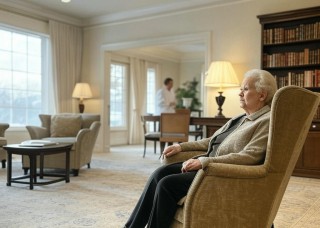
Nevertheless, the favorable elements largely offset the drawbacks for the right resident profile. The secure, dual-building design concentrates specialized care while retaining a welcoming, home-like feel; this reduces risk for memory-impaired residents who still want to participate in a broader social life. The consistent staff support, especially with administrative steps like Medicaid, lowers barriers to entry and ongoing burdens for families. A rich activity calendar and ample off-campus outings help prevent isolation and promote ongoing interest, which is especially valuable for residents who resist sitting still or who would otherwise grow disengaged. In practice, families often find the overall experience uplifting: residents appear busy, engaged, and well cared-for, which translates into peace of mind for relatives who cannot be there every day.
For families weighing options, this community makes sense for those prioritizing social vitality, staff accessibility, and a campus that supports both memory care and assisted living in a coordinated way. Those who cannot tolerate even a remote possibility of delayed crisis response, or who demand consistently transparent reporting on cleanliness, meals, and day-to-day operations, should consider alternatives with stronger safety assurances and more open channels for feedback. If safety is paramount, ask hard questions about staffing ratios, monitoring protocols after falls, and how quickly responders arrive in emergencies, as well as requests for recent inspection records and resident-to-staff allocations.
Practical next steps: arrange a focused tour of both Traditions of Owatonna and Traditions II to compare layouts, dining options, and activity calendars side by side. Request current staff-to-resident ratios, the exact fall-response procedures, and a recent incident-report sample to evaluate accountability. Speak with multiple residents or family members to gauge consistency in care and communication. Visit at different times of day to observe staff responsiveness, activity engagement, and dining quality. Finally, obtain a clear, written breakdown of costs, services included, and what happens if medical needs escalate. For families seeking an active, well-supported community with strong staff partnerships and meaningful outings, Traditions offers a compelling fit, provided the crucial safety questions are satisfactorily addressed.
 21 resident community capacity
 Studio apartments
 Assisted Living
 Memory Care
 Skilled Nursing Facility
 Beautician on-site
 Cable or satellite TV
 Dining room
 Fully furnished
 Garden
 Housekeeping services
 Kitchenette
 Move-in coordination
 Outdoor space
 Party space
 Pet friendly
 Respite or short term stays offered
 Swimming pool
 Telephone
 Wi-Fi/high-speed internet available
 24-hour call system
 Activities of daily living assistance
 Assistance with bathing
 Assistance with dressing
 Assistance with transfers
 Diabetes diet
 Hospice waiver
 Meal preparation and service
 Medication management
 Mental wellness program
 Special dietary restrictions
 Transportation arrangement (medical)
 Transportation to doctors appointments
 Fitness programs
 Religious services
 English

 Dementia, Paranoia, and Caregiver Guidance: Understanding the Connection
 Engaging Memory Care Activities That Enhance Quality of Life
 When to Transition from Assisted Living to Memory Care: Key Indicators, Steps, and Finding the Right Community