
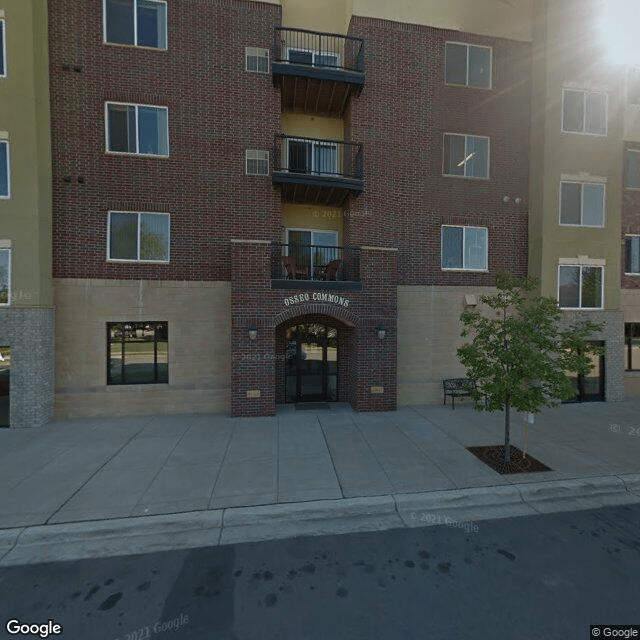
10-6th St NW, Osseo, MN 55369
To contact a resident: (763) 493-5435
For more information about senior living options: (866) 208-4318
Osseo Commons Costs & Pricing
Osseo Commons offers competitive pricing for its residential options, with a one-bedroom unit priced at $995 and a two-bedroom unit available for $1,240 per month. When we compare these rates to the broader context of Hennepin County, where the average cost for a one-bedroom is significantly higher at $3,550 and a two-bedroom at $3,848, it's clear that Osseo Commons presents an attractive alternative. Even in comparison to the statewide averages in Minnesota - $2,893 for a one-bedroom and $2,955 for a two-bedroom - Osseo Commons maintains affordability while still being situated within a desirable community setting. This makes it an appealing choice for those seeking quality living without the financial strain often associated with larger urban areas.
| Floor plans | Osseo Commons | Hennepin County | Minnesota |
|---|---|---|---|
| 1 Bedroom | $995 | $3,550 | $2,893 |
| 2 Bedrooms | $1,240 | $3,848 | $2,955 |
Senior living communities with a similar price nearby
-
from -$65 / mo

RosePointe II
$930 to $1,155 / month14.0 miles away -
from -$40 / mo
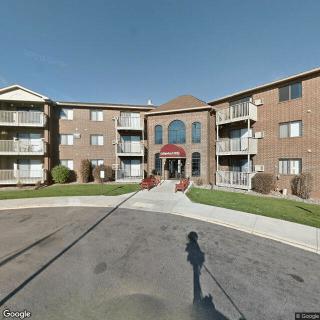
Lakewood Hills
$955 to $1,080 / month20.1 miles away -
from -$120 / mo
The Anthony James
$875 to $1,135 / month4.2 miles away -
from +$82 / mo

Heritage Place
$1,077 to $1,305 / month8.6 miles away -
About the same
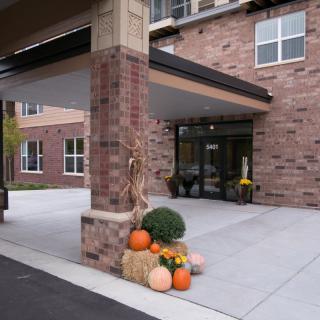
The Cavanagh
$984 to $1,187 / month5.9 miles away
Overall Review of Osseo Commons
Pros
 It is a lovely place with so much to offer.
- The place is lovely and has a lot to offer.
Cons
 They feel the location is too far from the metroplex for them at this time.
- They note that all 20–24 units are full with a waiting list, which makes the listing seem questionable.
- They don’t understand why this particular listing was included.
Review
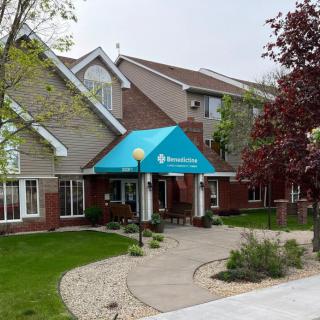
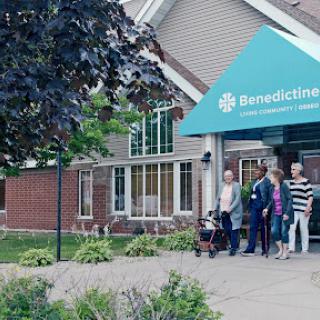
Osseo Commons is best suited for seniors who prize a warm, intimate setting and can tolerate a longer drive to the Twin Cities core. The community operates on a small footprint, roughly 20 to 24 units, which translates into a more personal, neighborhood feel and easier access to staff for residents who value predictable routines and individualized attention. This option tends to work best for someone who is not chasing frequent urban amenities or rapid move-in, but instead seeks a manageable, home-like environment where neighbors know one another and staff can provide steady, hands-on engagement. In short, it rewards residents who value quiet stability over hustle and bustle and who don’t need immediate placement.
What stands out positively is the sense that the space can offer a substantive array of offerings within a compact campus. The language from reviewers points to a place that feels “lovely” and rich in potential, suggesting well-planned programming, activities, and a broad sense of purpose within a small community. The intimate size matters here: residents may experience more personalized attention, smoother communication with caregivers, and a stronger formation of routines that resemble a true neighborhood. For families seeking quality programming without the distractions of a larger campus, Osseo Commons can deliver more warmth and cohesion than many similar options.
The most significant drawback is the distance from the metroplex. For families or residents who expect frequent city access, medical appointments in Minneapolis, or regular social outings to the metropolitan area, the commute becomes a practical hurdle. This geographic reality can dampen the convenience of care, limit spontaneous visits, and complicate coordinating transportation for loved ones. If proximity to urban resources and easy visitation are nonnegotiable, Osseo Commons becomes a less attractive fit, and alternatives closer to the metro area should be prioritized.
Another clear constraint is capacity and the lack of available units. With about 20-24 units and all of them reportedly full, the community operates in a high-demand, waiting-list mode. This reality creates real risk for anyone hoping to move within a specific timeline or needing a flexible entry point. Prospective residents should prepare for potential delays and confirm wait-time estimates, eligibility criteria, and any path to temporary arrangements if a move must occur sooner. The upside is that the occupancy stability often implies a program residents value, but the downside is tangible for those with urgent housing needs.
The pros can offset the cons for the right candidate, particularly for those who can tolerate travel constraints in exchange for a tight-knit, purposeful environment. A small campus often yields stronger community bonds, more visible resident engagement, and a sense of belonging that larger communities struggle to replicate. If the anticipated offerings truly match a resident’s interests, activities, social opportunities, and the promise of attentive staffing, the distance becomes a negotiable factor rather than a deal-breaker. Yet the offset only holds when the individual can navigate the calendar around a wait list and accept the trade-off of metro access for a more intimate living experience.
Ultimately, Osseo Commons is a strong match for a subset of seniors who prioritize a homelike atmosphere and manageable, personalized attention, and who are either already located near Osseo or can accommodate a longer commute without sacrificing essential connections. Those needing ready-to-move-in availability, or who require easy, rapid access to Minneapolis-St. Paul resources, should actively explore alternatives in closer-in suburbs or larger campuses with open capacity. Prospective movers should insist on a candid tour, probe what “so much to offer” actually means in terms of meals, programming, and care services, and request concrete wait-time data. In the end, a well-timed tour will reveal whether the intimate charm and select amenities at Osseo Commons align with the resident’s timeline, mobility, and priorities, or if a different community better preserves the balance between location, availability, and quality of life.
 Active Adult Communities (55+)
 Bath tubs
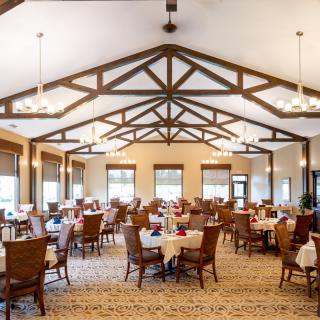
 Indoor common areas
 Outdoor common areas
 Wheelchair accessible showers
 Minneapolis-St Paul International (19 miles away)


 Comprehensive Guide to Medicare Coverage for Hospice Care
 Caring for Those Who Care: Recognizing, Understanding, and Overcoming Caregiver Burnout
 Caregiver Exhaustion: Recognizing the Signs and Restoring Your Well-Being