
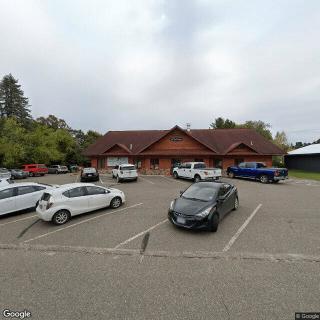
5307 Hills Crossing, Nisswa, MN 56468
For more information about senior living options: (866) 208-4318
Overall Review of Welcome Home Health Care III
Pros
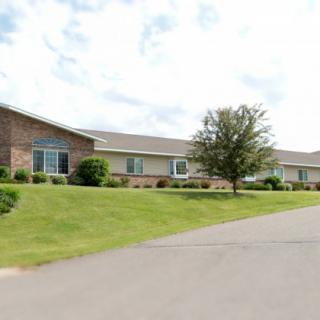
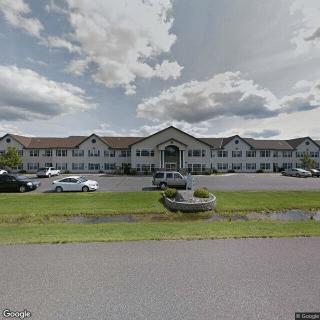
 Senior Class Care is fairly new, very clean, and attractive.
- The staff are very attentive and very kind, and they treat residents like royalty.
- The place is small but nice and has recently added a memory care unit.
- Most staff are nice, and there is potential for the future.
- The care is excellent, and the staff are caring and devoted to the patients.
- A memory care unit opens in November, and the new facility is expected to be gorgeous if it matches the main unit.
- The reviewer would recommend Senior Class to others.
- It is a beautiful place with staff who are very good with residents, go out of their way to make them comfortable, and ensure residents have their own rooms.
Cons
 The facility charges $7,700 per month for mediocre care.
- It took the head nurse five days to get mom's medicine squared away.
- There is no water in the resident's room.
- The head nurse appears to be intoxicated.
- There are complaints about the food.
- The facility does not have a kitchen and serves cold food frequently.
- The owner is rarely there.
- The facility seems understaffed.
- The care is horrendous and the staff are untrained.
Review
This community is best suited for families seeking a smaller, home‑like setting with genuine staff warmth and a clear path toward memory care without sacrificing personal connections. The reviews point to a place that emphasizes relationships, staff who know residents by name, a comfortable private-room layout, and a willingness to grow into a dedicated memory‑care unit. For families prioritizing a warm, caregiver‑driven environment and a setting that feels more like a neighborhood than a hospital, this can be a very reasonable fit, even as the memory‑care wing is still maturing.
Those who may want alternatives should note the recurring red flags tied to care reliability and daily operations. Several reviewers flag delays in essential tasks like medication management, and some describe basic needs not being consistently met (water access in rooms, oxygen equipment issues, meals arriving cold). Under‑staffing and uneven communication surface repeatedly, as does concerns about the administrator’s visibility. Given a steep monthly cost in one account, families with tighter budget constraints or a demand for consistently high‑level clinical oversight and dependable daily routines will want to compare other options more thoroughly.
The strongest positives, attentive, compassionate staff and a clean, attractive environment, do offset some concerns when the priority is trust in caregivers and a calm, familiar setting. The ability to offer private rooms and the sense that caregivers go above and beyond to accommodate residents’ needs are meaningful strengths that can ease transitions, especially for loved ones with memory challenges. The prospect of a new memory care unit adds credibility to the claim that the facility intends to adapt to evolving needs rather than remain static. Still, the overall value hinges on whether the operational gaps, medication timeliness, consistent staffing, and reliable meal service, are resolved as the new unit comes online.
Memory care is a focal point in the current trajectory. The addition or reopening of a memory care wing signals intent to deliver specialized, cognitively appropriate programming and closer supervision. If the new unit delivers steady staffing, well‑structured activities, and integrated dining for residents with memory impairment, the balance can tilt in favor of this option. However, early stage programs are prone to growing pains: shifts in leadership, turnover, and the ongoing task of aligning kitchen services with resident needs. Prospective families should press for specifics on who runs the unit, daily schedules, and how meals and activities will be managed to prevent the historical gaps from reappearing.
Practical decision steps should be prioritized during visits. Request candid, day‑in‑the‑life demonstrations that reveal the true rhythm of med passes, snack and meal routines, and how staff respond when emergencies arise. Inquire about the source and timing of meals, accommodations for dietary restrictions, and the presence of an active activity calendar or mobility programs. Probe staffing details, ratios, shifts, turnover, and demand references from current families. Finally, obtain a clear breakdown of pricing, what is included, and whether increases are anticipated as the memory care unit stabilizes. A facility’s willingness to share concrete metrics and to arrange transparent trial experiences often predicts longer‑term satisfaction more reliably than marketing language.
In the end, this community offers a compelling blend of warmth, a smaller, intimate setting, and the promise of a memory‑care expansion, but the reality remains contingent on steady operations and proven daily reliability. For families who prize caregiver relationships and a homey atmosphere, and who are prepared to insist on consistent med management and dependable daily services, it can be a viable choice. For those who require ruthlessly dependable clinical oversight, robust meal programs, and continuous activity opportunities, it is prudent to compare alternatives in the area before committing. The right move is to conduct thorough tours with specific, outcome‑oriented questions and to observe firsthand how the unit operates on a typical day before deciding.
 21 resident community capacity
 1-bedroom apartments
 Assisted Living
 Memory Care
 Skilled Nursing Facility
 Beautician on-site
 Cable or satellite TV
 Computer center
 Dining room
 Fully furnished
 Garden
 Hiking trails
 Housekeeping services
 Kitchenette
 Laundry
 Move-in coordination
 Outdoor space
 Party space
 Resident parking
 Telephone
 Wi-Fi/high-speed internet available
 Brainerd-Crow Wing County Regional (11 miles away)
 Transportation & parking
 24-hour call system
 Activities of daily living assistance
 Assistance with bathing
 Assistance with dressing
 Assistance with transfers
 Diabetes diet
 Hospice waiver
 Meal preparation and service
 Medication management
 Mental wellness program
 Special dietary restrictions
 Transportation arrangement (medical)
 Cooking club
 Educational speakers / life long learning
 Fitness programs
 Games
Games English
 Are Dementia and Alzheimer's Disease Lethal? A Comprehensive Exploration
 Exploring the Power of Reminiscence Therapy for Individuals With Dementia
 An In-Depth Look at Reminiscence Therapy in Dementia Care