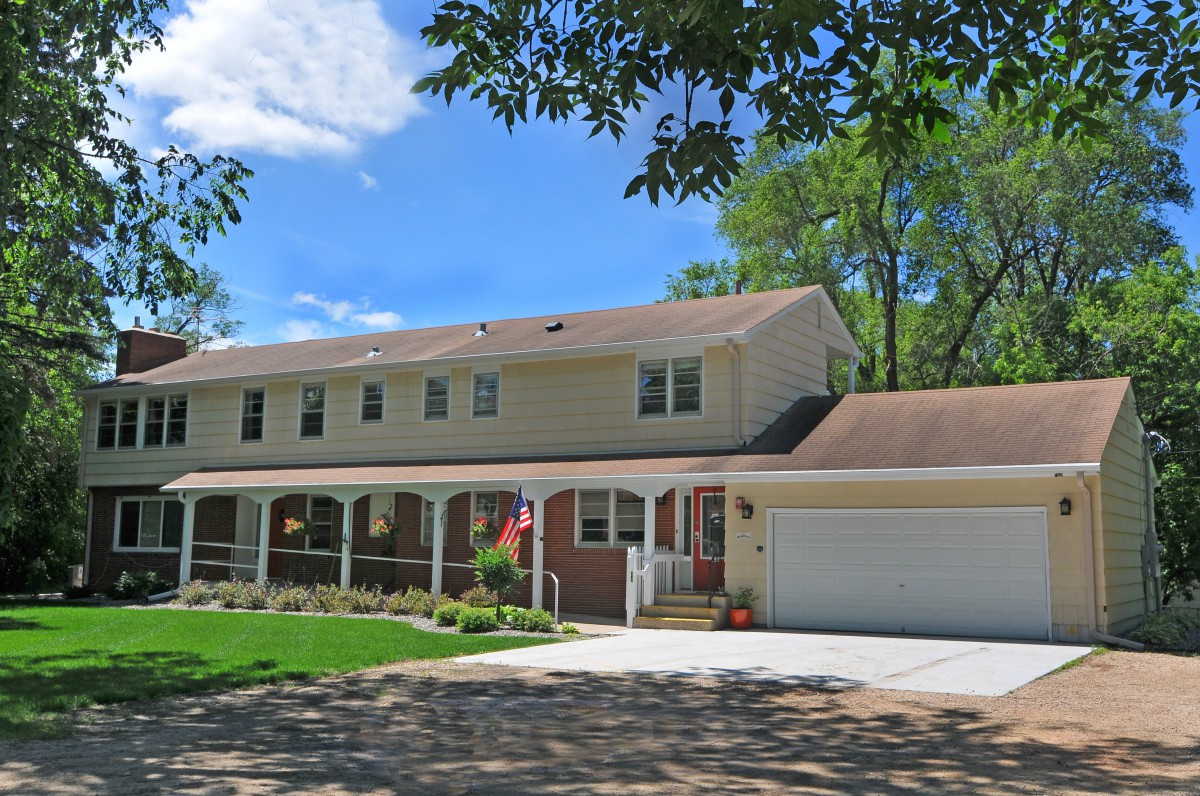

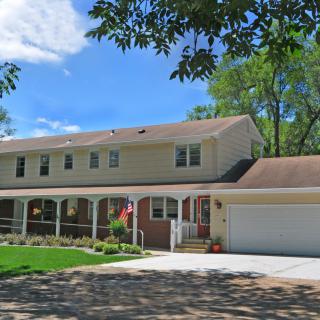
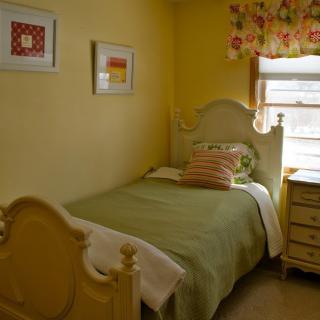
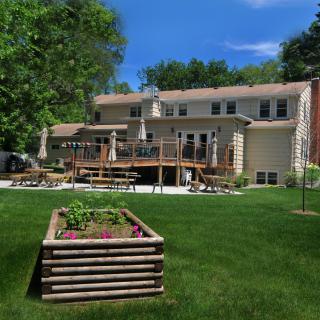


5126 Mayview Road, Minnetonka, MN 55345
For more information about senior living options: (866) 208-4318
Rakhma Grace Home Costs & Pricing
Rakhma Grace Home offers private rooms at a monthly cost of $7,800, which is significantly higher than the average costs in both Hennepin County and the broader state of Minnesota. In comparison, Hennepin County's average for similar accommodations is $5,580, while the statewide figure stands at $5,090. This pricing may reflect Rakhma Grace Home's emphasis on providing specialized care and tailored services that set it apart from other facilities. Potential residents and their families should consider these costs alongside the quality of care and amenities offered to understand fully what Rakhma Grace Home has to provide compared to more affordable options in the region.
| Floor plans | Rakhma Grace Home | Hennepin County | Minnesota |
|---|---|---|---|
| Private | $7,800 | $5,580 | $5,090 |
Memory care communities with a similar price nearby
-
from -$300 / mo
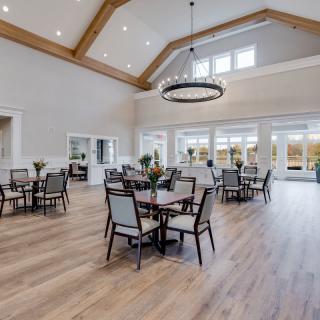
Rivers of Life Memory Care/Enhanced Assisted Living
$7,500 / month12.1 miles away -
from -$500 / mo
Beehive Homes of Lakeville
$7,300 / month20.2 miles away -
from -$600 / mo
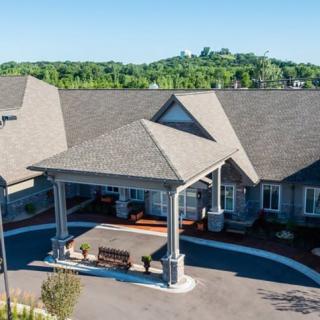
The Moments Of Lakeville
$7,200 / month15.9 miles away -
About the same
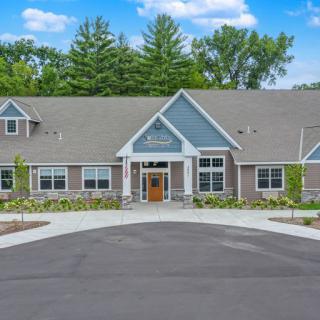
Suite Living of Crystal
$7,900 / month8.7 miles away -
from +$1200 / mo

English Rose Suites Chestnut Hills Home
$9,000 to $14,725 / month4.0 miles away
Overall Review of Rakhma Grace Home
Pros
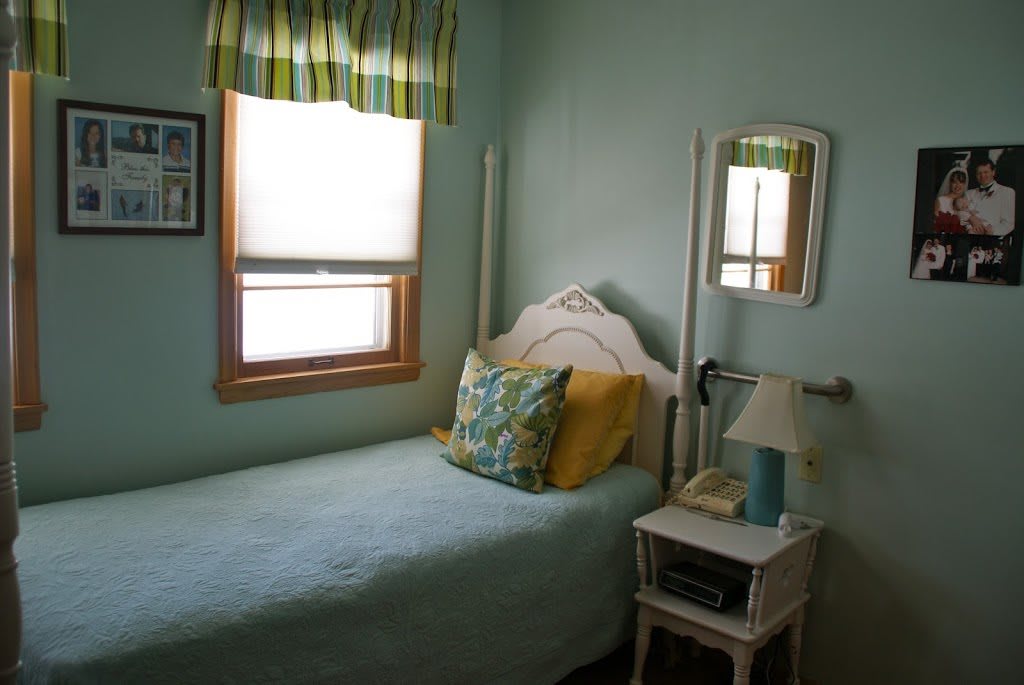
 Grace Home is an amazing place with loving and committed caregivers and highly individualized care.
- Rakhma accepts waivers on day one.
- Rakhma Grace Home is a great place to work.
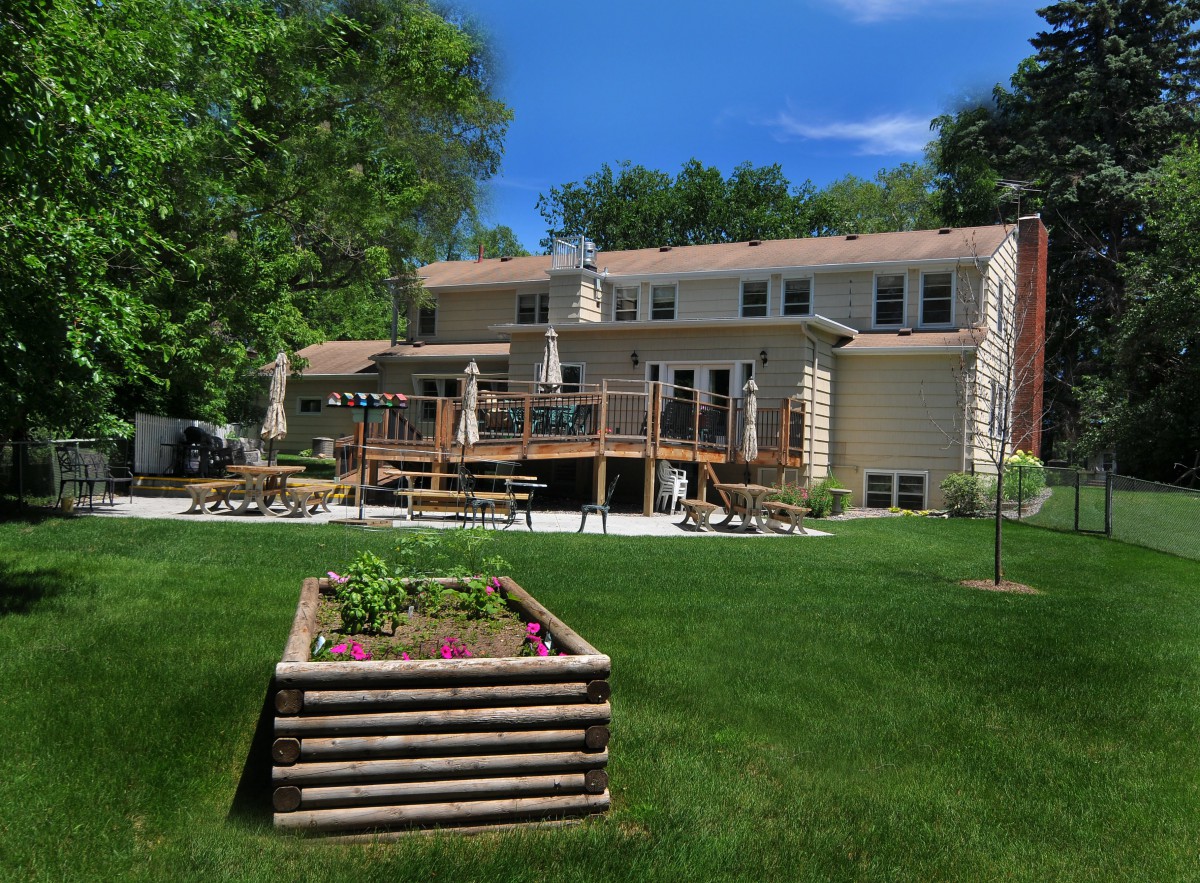
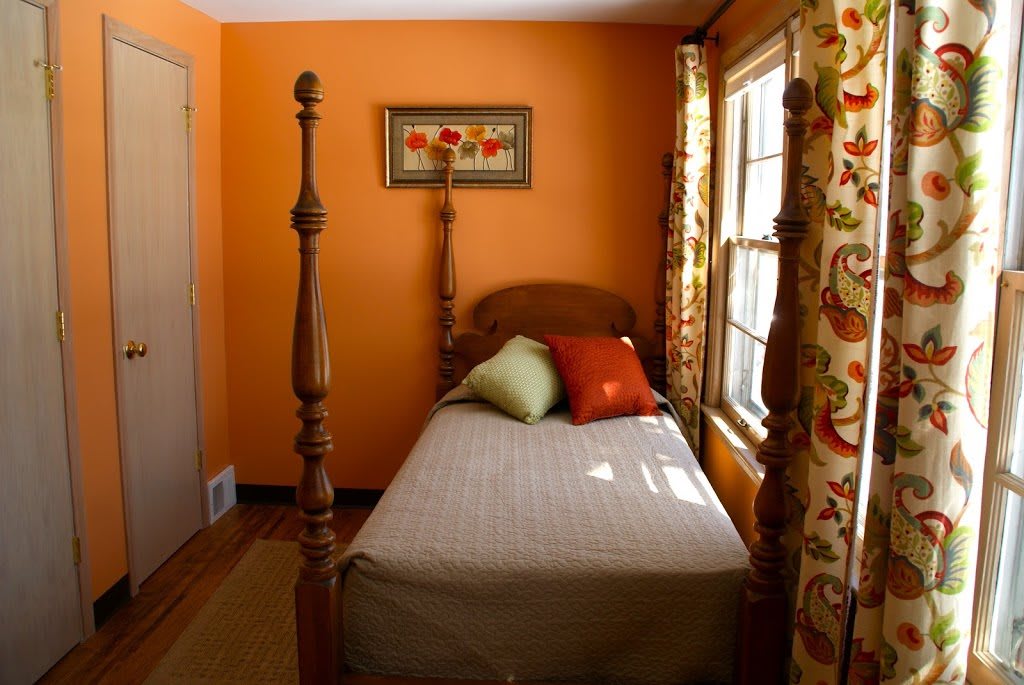
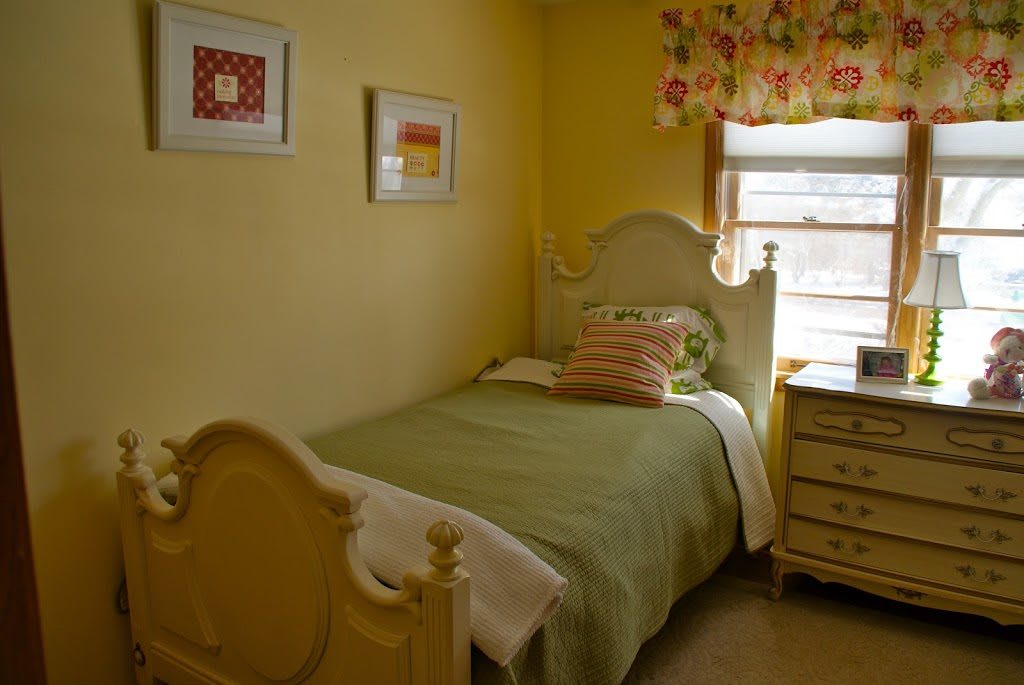
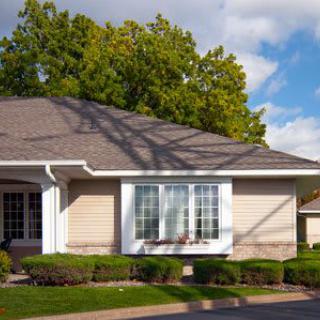
- The home offers a great family environment with friendly and fun staff, a beautiful house, a great yard, and a very safe area.
- The staff are pleasant and receptive to feedback, contributing to positive care experiences.
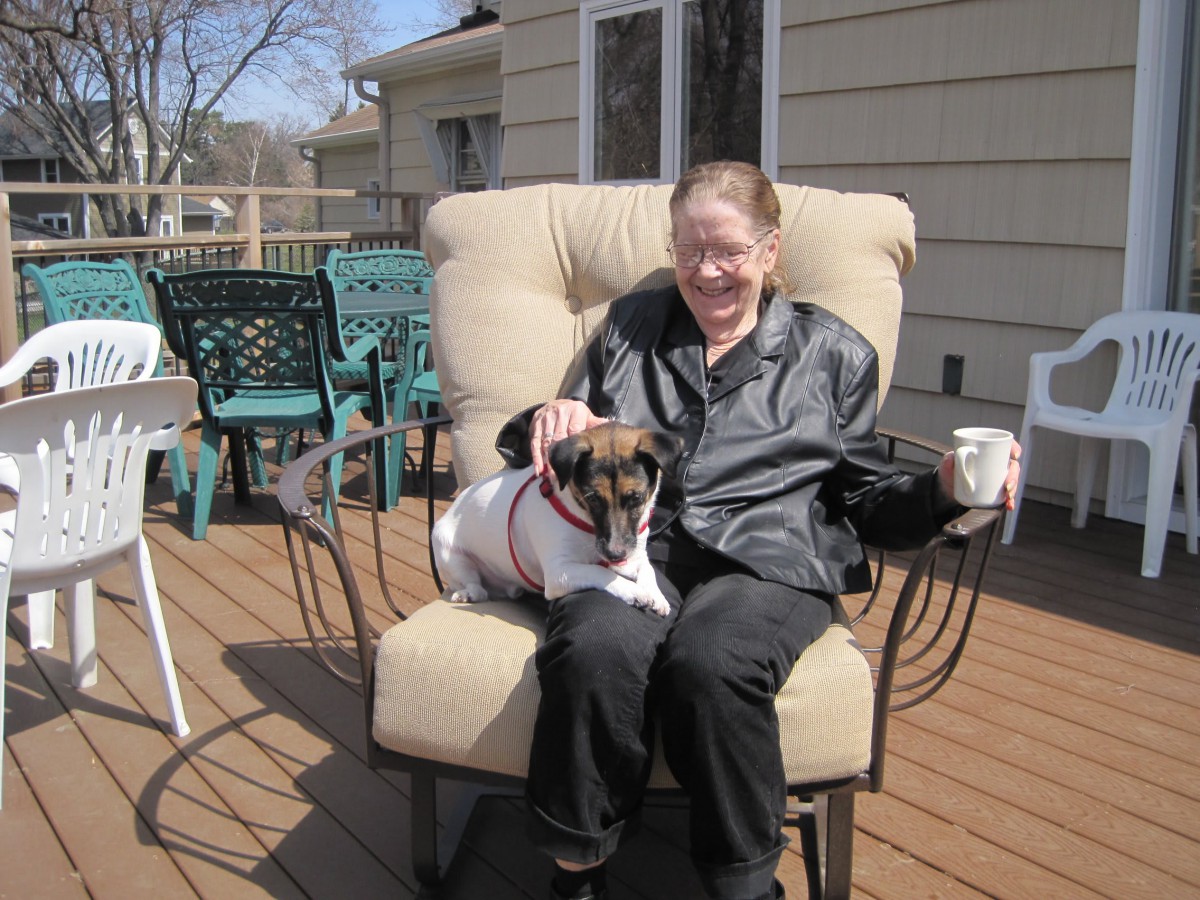
- The group home environment feels like a happy family for residents and staff.
- The care is very good, with residents being respected, well looked after, and the staff very kind.
- Outings to museums, plays, apple orchards, and fishing boat excursions are enjoyed by residents.
- The homey setup and the caring staff give the facility a warm, home-like atmosphere.
Cons
 The staff are horrible and always on their phones, ignoring the clients.
- Upstairs bathrooms are never cleaned.
- The food is terrible.
- They misrepresented themselves.
- The room size was about a third of what they promised.
- They were terrible with communication and follow-up.
- There were reports of mistreatment and lack of staff supervision, including residents being left in chairs late at night, with soiled garments and restraints used without consent.
- There is no elevator, which makes access difficult.
Review
Rakhma Grace Home in Minnetonka is best suited for families seeking a warm, home-like memory-care setting where care is intensely personalized and staff cultivate genuine, ongoing relationships with residents. The community functions as a small-house, group-home environment that places a premium on daily warmth, meaningful activities, and individualized attention, especially for residents with dementia or memory challenges who respond well to structured routines and regular social engagement. A standout practical plus for families is the facility’s willingness to work with waiver funding from day one, easing access for those relying on Medicaid or similar support.
However, this community is not the right fit for every family. Prospective residents should scrutinize accessibility needs (there is no elevator), and price considerations may be a concern given the mixed reviews on value. Some families report strong alignment between cost and care, while others question the pricing relative to services and dining. Additionally, the home’s ongoing renovations and some inconsistent communication can complicate the experience for families that require high-touch coordination and constant updates. Those who prioritize flawless operational oversight or require a fortress of clinical rigor may prefer a larger, more centralized memory-care campus.
The core strengths, loving, dedicated caregivers; highly individualized care; and a family-oriented, pleasant setting, often offset a number of the community’s drawbacks. Residents and families frequently praise the staff for kindness, respect, and attentiveness, and the home-like atmosphere is repeatedly described as comforting for residents and their loved ones. The place earns credibility from the frequent outings and social activities that extend beyond the walls, museum visits, plays, orchard trips, and even boat excursions, that help seniors stay engaged and connected. When administrative leadership is responsive to feedback, those interpersonal strengths translate into real improvements in daily life for residents.
Yet the constellation of concerns cannot be dismissed. Some reviews highlight ongoing communication gaps between family members and staff, suggesting a need for clearer updates and more predictable communication channels. There are also troubling, firsthand accounts of mistreatment allegations from a nurse reviewer, including concerns about supervision and restraint practices, which demand rigorous due diligence from families and careful corroboration with state records and on-site observations. Add to that reports of subpar food quality from some families, a sense that room dimensions were misrepresented, and the absence of an elevator that can be a deal-breaker for residents with mobility or safety concerns. These issues do not erase the positives, but they do tilt the balance for households weighing safety, transparency, and predictable daily routines.
To decide confidently, approach Rakhma Grace Home with a structured due-diligence plan. Schedule unscripted visits at different times, request direct conversations with both front-dline caregivers and the administrator, and tour the actual room to verify size, furnishings, and privacy features. Request a current care plan for a resident with similar needs to see how mobility, nutrition, medications, and daily activities are managed in practice. Sample the menu and observe meal times to assess scent, variety, and appeal. Check recent state inspection records and ask for references from current families who can speak to consistency of care, safety, and communication over several months. If accessibility and a standardized clinical oversight model are non-negotiable, or if a clean, consistently transparent communication track is essential, alternatives with larger staff pools and more formalized oversight should be compared.
Bottom line: for families prioritizing a nurturing, intimate setting, strong caregiver rapport, and active social engagement, Rakhma Grace Home offers a compelling, genuinely homey option that can deliver meaningful quality of life for many residents. The decision hinges on two critical filters: whether elevator access and brisk, reliable communication are non-negotiables, and whether the concern raised by the most serious negative account is something that can be investigated and satisfactorily mitigated. If those filters align with the family’s values and risk tolerance, this community deserves serious consideration; if not, it’s prudent to explore other options that emphasize accessibility, airtight communication, and a different balance of clinical oversight versus homelike culture.
 15 resident community capacity
 Assisted Living
 Board and Care Home
 Memory Care
 Activities off-site
 Cable or satellite TV
 Devotional services off-site
 Dining room
 Fully furnished
 Garden
 Housekeeping services
 Indoor common areas
 Move-in coordination
 Outdoor common areas
 Private
 Respite or short term stays offered
 Telephone
 Wheelchair accessible showers
 Wi-Fi/high-speed internet available
 Minneapolis-St Paul International (12 miles away)
 24-hour supervision
 Ambulatory care
 Assistance with bathing
 Assistance with dressing
 Assistance with transfers
 Diabetes diet
 Incontinence care
 Meal preparation and service
 Medication management
 Special dietary restrictions
 Transportation arrangement (medical)
 Transportation to doctors appointments
 BBQs or picnics
 Birthday parties
 Day trips and outings
 Live musical performances
 22 Remarkable Caregiver Support Groups Available Online and In-Person
 Understanding Medicaid Coverage for Assisted Living: A Comprehensive Guide
 How and When Medicaid May Cover Assisted Living Costs