United Chapters Living II

6421 Nordic Circle, Edina, MN 55439

For more information about senior living options: (844) 490-3973

4.2 from 19 reviews
5 stars
14
4 stars
1
3 stars
1
2 stars
0
1 stars
3

Assisted Living

What level of care are you interested in?

Assisted Living

Memory Care

Independent Living

Skilled Nursing Facility

Continuing Care Retirement Community (CCRC)CCRC

Other


Request a tour at United Chapters Living II

    Overall Review of United Chapters Living II

    Pros

    • pro Yorkshire of Edina is a beautiful, well-kept senior living facility that accommodates a wide variety of needs.
    • pro The residents are very social, pleasant, and frequently take day trips and attend facility-wide events.
    • pro The Activities Coordinator is exceptionally good at planning engaging activities for all residents.
    • pro Church services, music therapy, live music, service dog therapy, and outings are among the many activities that make Yorkshire exceptional.
    • pro The nursing staff is amazing and does an outstanding job taking care of residents.
    • pro The staff at Yorkshire has been incredible.
    • pro Yorkshire is beautifully decorated.

    Cons

    • pro Yorkshire is not a place to live or have a loved one live.
    • pro Management turnover has been appalling, with critical leadership positions frequently vacated.
    • pro The last Executive Director quit after three months and replacements were not promptly made.
    • pro Medication mismanagement is frequent, with wrong or omitted doses and even expired medications.
    • pro Staff who question the nurse in charge face threats or retaliation.
    • pro Aides are untrained in dementia care and show little compassion.
    • pro Frequent staff absenteeism and reliance on temporary aides leave residents under cared-for.
    • pro Care plans are not followed or are overlooked.
    • pro Memory care residents are not checked on for hours, risking neglect.
    • pro Regular activities are inconsistent and residents are left unattended for hours.

    Review

    Yorkshire of Edina sits in the spotlight of many families who have entrusted their loved ones to its care, and the responses paint a nuanced portrait of a place that can feel like a sanctuary for some and a source of deep concern for others. Across the board, the building itself tends to be described as well kept, beautifully decorated, and conveniently located in Edina - within walking distance of Target, other shops, and the Edina library, with easy access to highways, a hospital, and a mall. The ambience and the surroundings consistently emerge as a strong plus, providing a pleasant backdrop for the care that unfolds inside.

    Several reviews echo a deeply positive experience, especially when it comes to the people who staff the place. Families repeatedly commend the staff for patience, kindness, and a genuine willingness to adapt to individual needs. One reviewer highlighted how, despite dementia presenting its own challenges, the staff have been "patient and kind" and the community has been a source of positive, ongoing support for their mother. Other posts laud the memory care team as especially capable and caring, noting that staff were attentive to physical, spiritual, and emotional needs, and that patients were encouraged to participate in a robust slate of daily activities - coffee time, exercise classes, hymn singing, manicures, and other programs. The involvement of Lifespark Hospice in end-of-life care is also mentioned positively in at least one account, underscoring a compassionate, holistic approach in later stages.

    Tours of Yorkshire of Edina have similarly drawn compliments. A visitor described the tour experience as impressionable, praising the organizers for being helpful, kind, and knowledgeable. Another review specifically called the community "beautiful, well-kept," and lauded the staff and residents as a compelling part of the overall appeal. There is a persistent sense that, for many families, the environment and the day-to-day warmth of the community can make Yorkshire feel like a welcoming home, with good food, strong social programming, and a sense of belonging among residents.

    Yet the picture is not without sharp, cautionary notes. A long-form critique reflects serious concerns about management stability and care quality, painting a starkly different experience from the majority of positive comments. The reviewer recounts a cascade of leadership turnover in the past, including a chief executive who left after only a few months, a director of nursing who walked out, and other top-level changes, all laying a backdrop of instability. The reviewer then details troubling care practices: medications administered incorrectly or not at all, care plans that were not followed, and aides who were often absent or overwhelmed, leading to double shifts for nurses and inconsistent staffing. The tone is urgent, flagging regular calls for help that went unheeded and a pattern of housekeeping and supply shortages that hindered routine operations. The reviewer even notes that, in the memory care unit, residents with dementia could be left unattended for hours, and that cameras were sometimes necessary for families to monitor safety. The overall sentiment is that, while the facility has many strengths, serious gaps in staffing, reliability, and accountability can have real consequences for residents.

    Another particularly intense review centers on the impact of care quality through a loved one's final years. A family member describes a heartbreaking experience in which they believe their mother was mistreated, referencing findings by the Minnesota Department of Health that allegedly documented maltreatment. The writer emphasizes the lasting hurt of that experience, expressing no desire for revenge but a steadfast wish that others not endure similar treatment. This narrative stands in stark contrast to the more favorable depictions and serves as a sobering reminder that experiences at Yorkshire can vary dramatically, and that the consequences of care decisions linger long after a resident's passing.

    The spectrum continues with other family voices, some of whom recount overwhelmingly positive experiences, particularly in memory care. One reviewer notes that their mother's last year involved a remarkable level of care, with staff who were "incredible" and who met her physical, spiritual, and psychological needs with care and generosity. They mention meaningful engagement through activities and the ongoing presence of attentive professionals that helped their loved one feel supported. Other families highlight excellent medical oversight from the affiliated physicians, including specific praise for Dr. Nash, and they recount a consistently courteous, professional staff overall, despite the occasional turnover noted by others.

    There are also voices that acknowledge the inevitable variability that comes with a large senior living community. A few reviewers point to positive experiences with particular staff members - praising an Activities Coordinator who plans engaging and diverse programming, or noting that certain shifts, teams, or individuals stood out for their quality of care. Still, even among these affirmations, there is an undercurrent of concern that turnover and shift staffing patterns can affect continuity of care. A reviewer who had initially found the environment favorable later mentioned frustrations with a replacement receptionist after a trusted staff member left, underscoring how interpersonal connections in hospitality and front-desk support can color the overall experience.

    In sum, Yorkshire of Edina presents a complex mosaic. For many families, it has been a place of comfort, supportive staff, robust programming, good food, and a strong sense of community, especially for residents in memory care who benefit from consistent routines and compassionate caregiving. The building's appealing location, upkeep, and amenity mix - such as a beauty salon, accessibility to nearby services, and integrated activity programming - are frequently cited as key strengths. However, a not-insignificant portion of the feedback documents significant concerns: leadership turnover, medication safety lapses, inconsistent staffing and adherence to care plans, unattended residents in memory care, and housekeeping and supply problems. These experiences underscore the importance of due diligence, direct conversations with current residents and families, comprehensive facility tours, and careful review of state inspections and staff practices before making a decision.

    Ultimately, Yorkshire of Edina remains a place of promise and genuine care for many, while also serving as a cautionary tale for others. The best path for prospective residents and their families is to weigh these firsthand experiences - visits, conversations with staff and residents, and a careful look at how care plans are implemented - as well as to consider their own loved one's needs, expectations, and tolerance for variability in operations and staffing. The juxtaposition of heartfelt praise and serious critique in these accounts reflects the real-world complexity of senior living, where a caring culture and beautiful setting can coexist with systemic challenges that require ongoing attention and accountability.

    Features

    Housing

    • 4 resident community capacity 4 resident community capacity

    Types of Care

    • Assisted Living Assisted LivingAssisted living facilities provide crucial support and care for seniors who may need help with daily tasks such as medication management, bathing, and meal preparation. These communities offer a safe and comfortable environment where seniors can maintain their independence while receiving the assistance they need to thrive in their golden years.

    Amenities

    • Cable or satellite TV Cable or satellite TVCable or satellite TV is important for seniors because it provides entertainment, news, and companionship, helping to combat loneliness and boredom. It also offers a wide range of programming options tailored to different interests and preferences.
    • Dining room Dining roomDining rooms are important for seniors as they provide a space for socialization, connection, and nutritious meals. They offer opportunities for residents to bond over shared meals, foster a sense of community, and promote healthy eating habits. Dining rooms also ensure that seniors have access to well-balanced meals tailored to their dietary needs and preferences.
    • Fully furnished Fully furnishedFully furnished senior living communities are important for seniors because they provide convenience, comfort, and a hassle-free moving experience. Seniors can easily settle into their new living space without the stress of having to buy and move furniture. This allows them to focus on enjoying their new home and community.
    • Garden GardenGardens are important for seniors as they provide a peaceful and therapeutic environment for relaxation, physical activity, and socialization. Being in nature has been shown to reduce stress, improve mood, and promote overall well-being. Gardens also offer opportunities for seniors to engage in gardening activities, which can improve mobility, flexibility, and cognitive function. Additionally, gardens create a sense of community and connection with others who share a passion for plants and outdoor spaces.
    • Housekeeping services Housekeeping servicesHousekeeping services are important for seniors because they help maintain a clean and safe living environment, promote independence, and reduce the risk of accidents or illnesses. Additionally, having assistance with household chores can alleviate physical strain and allow seniors to focus on other aspects of their well-being.
    • Move-in coordination Move-in coordinationMove-in coordination is important for seniors because it helps ease the transition into their new living environment. It ensures that all logistics, such as packing, organizing movers, and setting up utilities are taken care of, allowing seniors to focus on settling in and adjusting to their new home. Having a smooth move-in process can alleviate stress and anxiety, making the transition smoother and more enjoyable for seniors.
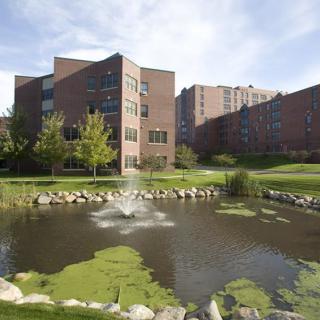
    • Outdoor space Outdoor spaceOutdoor spaces are important for seniors as they provide opportunities for physical activity, social interaction, exposure to natural light and fresh air, and a sense of connection to nature. Having access to outdoor spaces can improve overall well-being and quality of life for older adults living in senior communities.
    • Telephone TelephoneTelephones are important for seniors as they provide a lifeline for communication with loved ones, emergency services, and healthcare providers. They offer a sense of security and independence, enabling seniors to stay connected and access assistance when needed.
    • Wi-Fi/high-speed internet available Wi-Fi/high-speed internet availableWi-Fi/high-speed internet is important for seniors to stay connected with loved ones, access online resources, and participate in virtual activities to combat feelings of loneliness and isolation. It also allows them to easily manage healthcare needs, access entertainment, and engage in lifelong learning opportunities.

    Transportation

    • Minneapolis-St Paul International (8 miles away) Minneapolis-St Paul International (8 miles away)

    Care Services

    • 24-hour supervision 24-hour supervision24-hour supervision is important for seniors to ensure their safety, well-being, and access to immediate assistance in case of emergencies or health issues. This constant support provides peace of mind for both seniors and their loved ones, allowing them to age in place with dignity and security.
    • Activities of daily living assistance Activities of daily living assistanceActivities of daily living assistance are important for seniors because they provide essential support with tasks such as eating, bathing, dressing, and mobility. This assistance helps seniors maintain their independence, dignity, and overall quality of life as they age.
    • Assistance with bathing Assistance with bathingAssistance with bathing is crucial for seniors as it helps maintain personal hygiene, prevents infections, and ensures their overall well-being and comfort. It also provides a sense of dignity and independence for seniors who may struggle with this task on their own.
    • Assistance with dressing Assistance with dressingAssistance with dressing is important for seniors because it helps maintain their independence, promotes personal hygiene, prevents accidents and injuries, and improves overall quality of life. This service ensures that seniors can continue to dress comfortably and confidently, despite any physical limitations they may have.
    • Assistance with transfers Assistance with transfersAssistance with transfers is crucial for seniors as it helps prevent falls and injuries, maintains their independence, and ensures they can safely navigate their living environment. It also provides peace of mind for both seniors and their loved ones.
    • Coordination with health care providers Coordination with health care providersCoordination with health care providers is crucial for seniors to ensure proper medical care, medication management, and overall well-being. This collaboration helps prevent overlapping treatments, track progress more effectively, and provide comprehensive support tailored to individual needs.
    • Diabetes diet Diabetes dietA diabetes diet is crucial for seniors as it helps manage blood sugar levels, reduce risks of complications, and improve overall health and well-being. By following a balanced and nutritious diet tailored to their specific needs, seniors can better control their diabetes and enhance their quality of life.
    • Meal preparation and service Meal preparation and serviceMeal preparation and service are crucial for seniors as they may have limited mobility or energy to cook nutritious meals. Having access to healthy and convenient food options can ensure they are getting the proper nutrition needed to maintain their overall health and well-being.
    • Medication management Medication managementMedication management is crucial for seniors to ensure they are taking the right medications at the correct dosages and times. This helps prevent adverse drug interactions, reduces the risk of medication errors, and promotes overall health and well-being. Proactive management also allows for adjustments as needed based on changing health conditions or new prescriptions.
    • Special dietary restrictions Special dietary restrictionsSpecial dietary restrictions are important for seniors because age-related changes in metabolism and health conditions can make it difficult for their bodies to process certain foods. By following a diet tailored to their specific needs, seniors can maintain their overall health and well-being, manage chronic conditions, and reduce the risk of complications such as malnutrition or food interactions with medications.
    • Transportation arrangement (medical) Transportation arrangement (medical)Transportation arrangements for medical purposes are essential for seniors as they may have difficulty driving themselves to appointments or accessing public transportation. Having reliable and safe transportation options ensures that seniors can receive timely medical care and maintain their health and well-being.
    • Transportation to doctors appointments Transportation to doctors appointmentsTransportation to doctors' appointments is crucial for seniors as it ensures they have access to necessary medical care and support for their health needs. Without reliable transportation, seniors may struggle to attend important appointments, leading to potential delays in treatment and health complications. Providing transportation services helps seniors maintain their overall well-being and quality of life.

    Dining

    • Diabetes diet Diabetes dietA diabetes diet is crucial for seniors as it helps manage blood sugar levels, reduce risks of complications, and improve overall health and well-being. By following a balanced and nutritious diet tailored to their specific needs, seniors can better control their diabetes and enhance their quality of life.
    • Special dietary restrictions Special dietary restrictionsSpecial dietary restrictions are important for seniors because age-related changes in metabolism and health conditions can make it difficult for their bodies to process certain foods. By following a diet tailored to their specific needs, seniors can maintain their overall health and well-being, manage chronic conditions, and reduce the risk of complications such as malnutrition or food interactions with medications.

    Activities

    • Community-sponsored activities Community-sponsored activitiesCommunity-sponsored activities are important for seniors as they provide opportunities for social interaction, mental stimulation, and physical activity. These activities can help improve overall well-being, combat loneliness and isolation, and promote a sense of belonging and purpose among older adults.
    • Scheduled daily activities Scheduled daily activitiesScheduled daily activities are important for seniors because they provide structure, socialization, mental stimulation, and physical activity. Engaging in regular activities can improve overall well-being and quality of life for seniors living in a community setting.

    Description

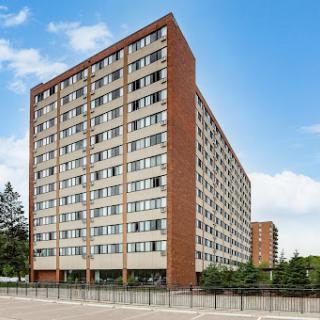
    United Chapters Living II in Edina, MN is an ideal assisted living community for individuals seeking a comfortable and convenient lifestyle. This community offers a range of amenities and care services to ensure the well-being and satisfaction of its residents.

    The fully furnished apartments provide a cozy and homely feel, while the dining room allows residents to enjoy delicious meals prepared by professional chefs. The community also offers housekeeping services, ensuring that residents are able to maintain a clean and tidy living space.

    Outdoor spaces are available for residents to relax and enjoy the fresh air, while Wi-Fi/high-speed internet is provided for those who wish to stay connected with their loved ones or engage in online activities. A telephone service is also available for easy communication.

    Care services at United Chapters Living II encompass assistance with daily activities such as bathing, dressing, and transfers, guaranteeing that residents receive the support they require. The staff coordinates with health care providers to ensure seamless medical care management. Special dietary restrictions can be accommodated, including diabetes diets, allowing residents to maintain their preferred eating habits.

    Transportation arrangements are made for medical purposes, as well as transportation to doctors' appointments. This convenience ensures that residents have easy access to necessary health care services when needed.

    In terms of recreational activities, United Chapters Living II offers scheduled daily activities designed to keep residents engaged and entertained. Whether it's participating in group exercises or enjoying social events, there is always something happening within the community.

    Furthermore, the surrounding area provides numerous amenities for residents' convenience. With four cafes nearby, residents can enjoy a variety of dining options outside of the community. Five parks offer opportunities for leisurely walks or outdoor activities. Fifteen pharmacies cater to any medication needs that may arise. There are also eight physicians nearby for easy access to medical consultations. In addition, fifteen restaurants give residents plenty of choices when dining out.

    For spiritual nourishment and cultural experiences, one place of worship and one theater are located nearby. Three hospitals in the vicinity ensure that residents have access to medical services whenever necessary.

    United Chapters Living II in Edina, MN offers a comfortable and well-equipped assisted living community, complete with amenities, care services, and a vibrant surrounding area that caters to residents' needs and preferences.

    Nearby Places of Interest

    Parks

    • McGuire Park (0.7 miles)
    • Centennial Lakes Park (2.9 miles)
    • Aquila Park (4.2 miles)
    • Hyland Lake Park Reserve (4.2 miles)
    • Dakota Dog Park (4.9 miles)
    • Taft Park (6.4 miles)
    • Bossen Field (7.3 miles)

    Restaurants

    • Wooden Hill Brewing (1.6 miles)
    • Shake Shack (2.5 miles)
    • Pinstripes (2.8 miles)
    • Taco Bell (3 miles)
    • Bunny's Bar & Grill (3.2 miles)
    • Old Chicago (3.2 miles)
    • McDonald's (3.3 miles)

    Hospitals

    • Abbott Northwestern Center For Outpatient Care (1.8 miles)
    • Fairview Southdale Hospital (2.6 miles)
    • Park Nicollet Methodist Hospital (3.2 miles)

    Places of Worship

    • Shepherd of the Hills Lutheran Church (2.1 miles)
    • Grace Church (5.9 miles)
    • St Therese of Deephaven (7.4 miles)

    Pharmacies

    • Walgreens (2.2 miles)
    • Minnesota Medical Solutions (2.8 miles)
    • Walgreens (3 miles)
    • Lunds & Byerlys 50th Street Edina (3 miles)
    • Walgreens (3.1 miles)
    • Walgreens (3.3 miles)
    • CVS Pharmacy (3.5 miles)

    Physicians

    • Twin Cities Orthopedics Edina - Crosstown (2.4 miles)
    • CCRM Fertility of Minneapolis (2.5 miles)
    • University of Minnesota Physicians Heart at Fairview Southdale Hospital (2.6 miles)
    • Fairview Southdale Physicians Building (2.7 miles)
    • Southdale Pediatrics (2.7 miles)
    • Children's Hospitals and Clinics of Minnesota's Ear, Nose and Throat (3.1 miles)
    • Endocrinology Clinic of Minneapolis (3.3 miles)

    Theaters

    • 0705 Amc Southdale 16 (2.7 miles)

    Cafes

    • Starbucks (2.9 miles)
    • Jinx Tea (3.5 miles)
    • Angel Food Bakery & Coffee Bar (4.4 miles)
    • Panera Bread (4.6 miles)
    • Starbucks (6.4 miles)
    • Spyhouse Coffee (6.6 miles)
    • Dunn Brothers Coffee (7.4 miles)

    Transportation

    • Mall of America LRT Station (7.2 miles)
    • Delta Employee Bus Stop #1 (7.5 miles)
    • Terminal 2-Humphrey (7.5 miles)
    • TSA Checkpoint 1 (7.5 miles)

    Frequently Asked Questions

    Where is United Chapters Living II?

    Nearby Communities

    Related Resources

    • when to move from assisted living to nursing home8 Key Indicators That Suggest It May Be Time to Transition from Assisted Living to Skilled Nursing Care

      The transition from assisted living to skilled nursing care is often prompted by complex medical needs that assisted living cannot meet, with key indicators including frequent health declines, increased falls, severe memory issues, and caregiver burnout. Families should recognize these signs early to discuss options with healthcare providers and prepare for the emotional and logistical aspects of moving to a facility that offers comprehensive medical support.

    • active senior livingVibrant Senior Living: A Comprehensive Guide for Active Older Adults

      Vibrant Senior Living emphasizes active senior living communities that promote independence and engagement through diverse amenities and activities, fostering wellness and social interaction among older adults. These communities range from independent to assisted living, with a focus on personal growth, family involvement, financial planning, and leveraging technology to enhance residents' experiences.

    • when to move from assisted living to memory careWhen to Transition from Assisted Living to Memory Care: Key Indicators, Steps, and Finding the Right Community

      Transitioning from assisted living to memory care is driven by an individual's cognitive decline and specific needs, requiring careful evaluation of indicators like increased confusion and wandering. The process involves consulting medical professionals, researching suitable communities, considering financial and legal aspects, and ensuring effective communication for personalized care plans.


    Get Pricing Ask A Question Schedule A Tour Contact Senior Advisor