
7931 6Th Street Ne, Spring Lake Park, MN 55432
For more information about senior living options: (866) 208-4318
Overall Review of Ultimate Care Assisted Living V
Pros
 The staff truly cares about the residents.
- The memory care staff-to-resident ratio was incredible.
- The hospice team genuinely cared about the resident and the family.
- Amanda, the housing director, went above and beyond to ensure needs were met for care.
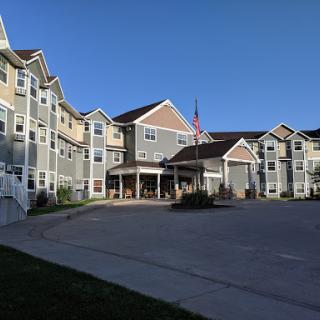
- The facility is beautiful and well-maintained.
- The activities director plans fun activities for the residents, including boat rides.
- The staff displayed compassion during the final days, helping to ease the family through a difficult time.
- The food looked good and the facility was generally clean.
Cons
 Daily hygiene promises were not fulfilled and tasks seldom happened.
- Aides mismanaged medications, including wrong charting and running out of meds.
- A staff member was fired and another reprimanded for a grave medication error.
- Aides lacked sufficient supervision or training from the head nurse to follow the care plan.
- The head nurse never checked on him during family visits.
- There were delays and miscommunications around narcotics and end-of-life meds, with refills taking about 20 hours and no backup doctor available.
- An air mattress was deflated and the pump unplugged, leaving him on bed springs for hours.
- Residents were left on the floor after falls and not checked every two hours.
Review
Ultimate Care Assisted Living V in Spring Lake Park is best suited for seniors who need memory-support and close daily oversight in a residence-like setting, where staff are visible, accessible, and genuinely engaged. The reviews repeatedly emphasize a culture of care, with aides who respond quickly and a level of attention on the memory-care side that allows residents to receive help when it is most needed. The environment is described as warm, clean, and staffed with compassionate personnel, and the hospice presence is repeatedly highlighted as a meaningful, supportive force for families during difficult transitions. Families prioritizing meaningful interaction, personal attention, and end-of-life dignity will likely find this community appealing. Those whose loved ones demand consistently flawless daily hygiene, exacting medication management, and rigorous clinical oversight may want to explore alternatives.
Among the strongest assets are the caregiving staff and the setting itself. The memory-care team earns frequent praise for attentiveness, and the staff-to-resident ratio is cited as a critical advantage for timely assistance. The building’s upkeep, the quality of food, and the availability of engaging activities contribute to a livable, reassuring daily routine. The hospice team is repeatedly described as genuinely caring and well integrated with families, which can ease the emotional burden of decline. The experience of a housing director and other staff being proactive in meeting family needs further reinforces a sense of trust that the facility can be a steady anchor during tough times. For families seeking a nurturing, person-centered atmosphere, these elements carry substantial weight.
However, substantial cautions appear in several accounts. Basic daily care, including hygiene tasks such as face washing, grooming, and toileting assistance, is not consistently reliable, with some families reporting delays or omissions. There is a recurring theme of insufficient supervision and training by leadership, particularly the head nurse, which undermines confidence in adherence to individualized care plans. Medication management is a major area of concern: charting errors, questions about narcotics administration, delays in refills, and a lack of timely medical review can create real risk for residents, especially those with complex regimens. Other safety lapses, such as a deflated air mattress and periods when a resident was left unattended, underscore how staffing strain can translate into tangible harm. In a few reviews, the verdict lands firmly on not recommending the facility for ongoing daily care.
These positives offset the negatives only to a degree. For residents in memory care or those with relatively stable daily needs, the warmth, engagement, and close attention can meaningfully improve quality of life and provide emotional support during decline. The combination of compassionate staff, a pleasant environment, and strong hospice involvement creates a reliable core of care when situations are dire. Yet the reliability gaps, especially around daily hygiene, consistent assistance, and precise medication administration, pose real, nontrivial risks for anyone with higher acuity or a history of falls. The facility’s strengths do not fully compensate for the persistent care-management vulnerabilities that can escalate under staffing pressures.
Alternatives should be on the radar when tight clinical reliability matters most. For families seeking guaranteed daily hygiene, punctual assistance, and flawless med management, it may be wise to compare options with documented, consistent nurse leadership, robust QA processes, and transparent medication-handling protocols. Prospective residents should demand current staffing ratios by shift, a copy of standard care plans, and evidence of routine nurse rounds. Inquire about med-pass procedures, refill timelines, and the presence of a dependable back-up physician. Tour at different times, speak with frontline aides, and request a clear safety plan focusing on fall-prevention and room monitoring. If warmth and memory-care focus trump clinical certainty, this community remains compelling, but with clear, enforceable expectations and ongoing oversight.
Bottom line: Ultimate Care Assisted Living V offers a credible option for families seeking a warm, resident-centered environment with meaningful memory-care engagement and compassionate support, especially when hospice involvement is central to care goals. It is less suitable for those who require airtight daily hygiene and medication administration, given the documented inconsistencies and safety concerns. The decision hinges on balancing the value of human connection and specialized memory care against the risk of avoidable care gaps. A purposeful site visit, candid conversations with leadership, and a rigorous review of care planning and med-management processes will determine whether this community aligns with the resident’s risk tolerance and care expectations.
 4 resident community capacity
 Assisted Living
 Cable or satellite TV
 Dining room
 Fully furnished
 Garden
 Housekeeping services
 Move-in coordination
 Outdoor space
 Telephone
 Wi-Fi/high-speed internet available
 Minneapolis-St Paul International (16 miles away)
 24-hour supervision
 Activities of daily living assistance
 Assistance with bathing
 Assistance with dressing
 Assistance with transfers
 Diabetes diet
 Meal preparation and service
 Medication management
 Special dietary restrictions
 Transportation arrangement (medical)
 Transportation to doctors appointments


 Understanding the Distinctions: Assisted Living and Memory Care Explained
 Guiding Elderly Parents Who Refuse Assisted Living: 6 Practical Steps
 Your Comprehensive Guide to Luxury Assisted Living: Elevated Facilities, Amenities, and Costs