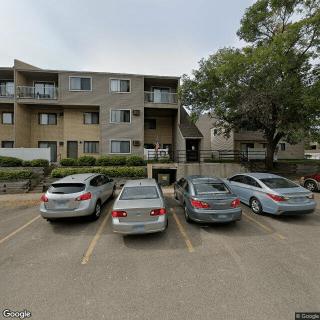
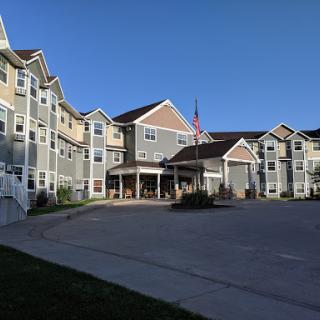
Interlude Restorative Suites Unity is a nursing home community in Fridley, MN.
Information last verified:
520 Osborne Road Northeast, Fridley, MN 55432
For more information about senior living options: (866) 208-4318
3 from 25 reviews
5 stars
10
4 stars
3
3 stars
1
2 stars
0
1 stars
11
Overall Review of Interlude Restorative Suites Unity
common9 reviews mention this
Staff and nurses are consistently praised
Residents describe staff and nurses as warm, helpful, and supportive.
Multiple reviews highlight staff warmth and being welcoming, including nurses described as especially helpful. Several reviewers also mention doctors being kind and understanding, and that interactions feel positive during visits. Even when reviewers had complaints, some still point to specific clinicians or staff as doing good work.
differentiator2 reviews mention this
Mental health and addiction care
Reviews repeatedly reference intensive mental health and addiction treatment.
Two reviews describe the experience as tied to inpatient mental health programming, including an admission after a psychosis episode. One reviewer also frames it as a life-changing mental health and addiction unit experience. This lines up with the community offering a structured mental wellness program as part of care services.
caveat6 reviews mention this
Scheduling and communication can be frustrating
Some reviews report issues with scheduling and communication.
Several reviewers mention problems that affected timing or coordination, including delayed or confusing scheduling and missed-appointment consequences. Communication also comes up, with one review describing spotty updates early in a stay and improving later. Another review says an appointment was difficult to find on the schedule and that there was no apology or remorse afterward.
caveat3 reviews mention this
Some families feel costs add up
A few reviewers express concern about overall costs.
One reviewer says they always thought they couldnā€™t afford this kind of help, and another raises concerns about being charged extra for visits. A separate review also implies the pricing model was a major negative. While some reviews focus on treatment and care quality, cost comes through clearly in these complaints.
How we summarize
Counts show how many written reviews mention each theme; a review can touch several themes, and only frequently mentioned themes are displayed.
Features
Housing
50 resident community capacity
Types of Care
Skilled Nursing Facility
Amenities
Beauty salon
Cable or satellite TV
Dining room
Fully furnished
Garden
Housekeeping services
Kitchenette
Move-in coordination
Outdoor space
Restaurant-style dining
Small library
Telephone
Wi-Fi/high-speed internet available
Transportation
Minneapolis-St Paul International (16 miles away)
Care Services
24-hour call system
24-hour supervision
Activities of daily living assistance
Assistance with bathing
Assistance with dressing
Assistance with transfers
Diabetes diet
Meal preparation and service
Medication management
Mental wellness program
Special dietary restrictions
Dining
Diabetes diet
Special dietary restrictions
Activities
Community-sponsored activities
Resident-run activities
Scheduled daily activities
Nearby Places of Interest
Physicians
Aesthetic Reconstructive Plastic Surgery (0.2 miles)
Interlude Restorative Suites Unity is located at 520 Osborne Road Northeast, Fridley, MN 55432 in Ramsey County, Minnesota
Nearby Communities
Hope Rest Homes II
Fridley, MN
Small, intimate 6-bed community with comprehensive care, transport assistance, and scheduled activities.
Grace Assisted Living I
Fridley, MN
1 from 1 review
Comprehensive care with 24-hour supervision, ADL assistance, meals, medication management, and transportation; plus convenient access to nearby amenities.
Osborne Apartments
Minneapolis, MN
5 from 2 reviews
Excellent access to nearby amenities and services.
Carestay Homes
Fridley, MN
1 from 2 reviews
Intimate, fully furnished homes with comprehensive care.
In House Home Health
Fridley, MN
Small, personalized care in a welcoming setting.
Metro Assisted Living And Reha
Fridley, MN
4.4 from 7 reviews
Small, close-knit community with 24/7 staff, medication management, and engaging social activities.
Village Green Apartments
Fridley, MN
4 from 36 reviews
Affordable units with a convenient Fridley location and diverse community.
The Landmark Of Fridley
Fridley, MN
3.4 from 61 reviews
Supportive resident community with proactive staff and strong safety focus.
Silvercrest Properties 1
New Brighton, MN
4.4 from 52 reviews
$1,234 to $2,559 / month
Friendly staff, engaging activities, and restaurant-style dining in a clean, intimate setting.
Linda's caregiving journey for her elderly mother, Joan, is marked by deep love and challenges as she navigates health changes, emotional support, and practical arrangements while learning to prioritize self-care and utilize community resources. Their evolving relationship highlights resilience and the universal themes of empathy and preparedness in caregiver experiences.
The article clarifies common misconceptions about Powers of Attorney (POA), highlighting the necessity of the principal's consent, the limitations on an agent's authority, and the importance of mental capacity when signing. It also distinguishes between various types of POAs, addresses concerns about potential abuse, and emphasizes the need for legal consultation to ensure valid and up-to-date documents.
Senior move management provides specialized support for older adults relocating by assisting with logistics, emotional challenges, and downsizing decisions to ensure a smooth transition to new living environments. These services address the unique needs of seniors and have become increasingly important as baby boomers retire and seek to downsize.
Get PricingAsk A QuestionSchedule A TourContact Senior Advisor
By clicking submit, you agree to our Partner's Terms of Use. You
also consent to receive calls and texts, which may be autodialed, from our Partner. Your consent is not a condition to
using our Partner's service. Please visit our Partner's Privacy Policy for information about their privacy practices.

 50 resident community capacity
 Skilled Nursing Facility
 Beauty salon
 Cable or satellite TV
 Dining room
 Fully furnished
 Garden
 Housekeeping services
 Kitchenette
 Move-in coordination
 Outdoor space
 Restaurant-style dining
 Small library
 Telephone
 Wi-Fi/high-speed internet available
 Minneapolis-St Paul International (16 miles away)
 24-hour call system
 Activities of daily living assistance
 Assistance with bathing
 Assistance with dressing
 Assistance with transfers
 Diabetes diet
 Medication management
 Mental wellness program
 Special dietary restrictions
 Small, intimate 6-bed community with comprehensive care, transport assistance, and scheduled activities.

 Nurturing Our Elders: Linda's Journey of Supporting Her Mother
 A Comprehensive Exploration of Common Misunderstandings about Powers of Attorney
 Senior Move Management: Understanding the Role, Value, and Associated Costs