
7936 5Th Street Ne, Spring Lake Park, MN 55432
For more information about senior living options: (866) 208-4318
Overall Review of Ultimate Care Assisted Living III
Pros
 It was far and away the best facility he lived in.
- The staff truly cares about the residents.
- The staff-to-resident ratio was incredible.
- He always had the help that he needed.
- The food always looked good.
- The hospice team was very good and genuinely cared about dad and his family.
- The housing director Amanda went above and beyond to ensure residents' care needs were met.
- The activities director plans fun activities for the residents, including boat rides.
Cons
 The daily hygiene tasks promised by the aides were seldom performed.
- The aides were not timely in assisting with toilet needs, leaving residents with soiled Depends and inadequate cleaning.
- Aides lack sufficient supervision or training by the head nurse to follow each resident's care plan.
- The head nurse never checked on the resident in his room during family visits.
- A claim about aides not being authorized to give narcotics existed, though it proved inaccurate.
- In the final days, aides administered a medication but charted it as another, with poor charting leading to shortages.
- There was no backup doctor when the hospice doctor was unavailable, which was unacceptable.
- The air mattress was deflated and the pump unplugged, leaving the resident on bed springs for hours.
- The facility is not recommended for anyone needing daily care beyond meals and activities.
- The facility is understaffed and staff are not fully present, resulting in falls, medication errors, and inadequate checks every two hours.
Review
Ultimate Care Assisted Living III in Spring Lake Park is best suited for families that prioritize a compassionate, attentive approach to memory-care oriented living and value a clean, pleasant environment with engaging activities. The strongest case holders are residents on memory-care streams who require strong staff presence and a partner in end-of-life support, along with families that want a facility that feels well-maintained and welcoming. Those who should consider alternatives are families whose loved ones demand strict, day-to-day hygiene, consistent toileting support, and precise medication management under vigilant, well-supervised nursing oversight. The community can be a good fit when the emphasis is on humane, hands-on care and meaningful activity, but it becomes a risk when basic daily care and charted medications are entrusted to an under- or inconsistently supervised team.
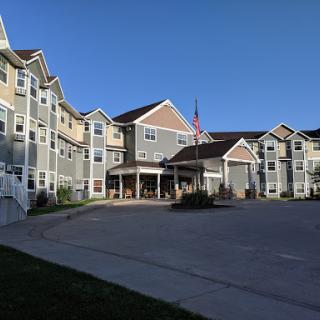
On the plus side, the most compelling element is the staff’s demonstrated care. In memory-care settings, the staff-to-resident ratio appears strong, enabling more responsive help and a calmer, more personalized routine. Families repeatedly note the compassion shown in tough moments, especially near the end of life, where the team’s warmth helped families endure a difficult time. The environment itself often earns praise: well-kept, aesthetically pleasing buildings with clean common areas, good food presentation, and predictable opportunities for social engagement, boat rides and activity programming mentioned as examples. Hospice teams are frequently highlighted as genuine partners, contributing meaningful support when needs shift toward comfort care. A capable housing director and a well-maintained facility further reinforce confidence in the setting as a solid, human-centered place for loved ones who can thrive with steady, personal attention.
However, the downsides are real and should heavily influence decision-making. Several families report that daily basic care, hygiene, face washing, shaving, teeth brushing, dressing, and timely toilet needs, was not consistently delivered. Care plans don’t always translate into action, and aides may appear unclear about the exact expectations for each resident. Supervisory oversight is repeatedly flagged as thin, with the head nurse not stopping by to check on residents during visits, which magnifies concerns when complications arise. Medication management emerges as a major fault line: errors in administration, charting discrepancies, and delays in refills create dangerous gaps, especially for residents on hospice or those transitioning between levels of care. Equipment failures, like a deflated air mattress, underscore the risk when supervision is limited and corrective action is slow.
The robust benefits do offset some risks, but not uniformly or in all situations. The strong memory-care staffing and the visible dedication of the hospice team can mitigate anxiety for families seeking tender end-of-life support and reliable companionship for a loved one with memory impairment. The inviting physical plant and a steady stream of activities contribute to a better quality of life and can ease daily routines for both resident and family. Yet the gravity of daily-care lapses and medication-management failures cannot be dismissed. When care plans drift or meds are mismanaged, the advantage of compassionate programming and a pleasant setting loses critical leverage, especially for residents who need precise, time-sensitive care and constant nursing oversight.
Prospective residents should insist on clear demonstrations of governance around daily care and medications. Ask to see current care plans and shift-by-shift accountability logs, request examples of how aides are trained, and determine who supervises daily routines. Seek explicit confirmation of nursing coverage at night, procedures for med administration, a reliable protocol for narcotics and refills, and how emergencies or med misfills are escalated and rectified. Inquire about nurse-physician communication, recent incident reports, and a concrete plan for addressing any repeat failures. If the response feels rushed or opaque, or if the facility cannot confidently guarantee adherence to care plans and timely med management, explore alternates. If the priority is a warm, engaged environment with exceptional human touch, balanced by strong hospice and memory-care support, Ultimate Care Assisted Living III remains a viable option, provided the care-management risks are actively addressed and monitored.
 1 resident community capacity
 Assisted Living
 Cable or satellite TV
 Dining room
 Fully furnished
 Garden
 Housekeeping services
 Move-in coordination
 Outdoor space
 Telephone
 Wi-Fi/high-speed internet available
 Minneapolis-St Paul International (16 miles away)
 24-hour supervision
 Activities of daily living assistance
 Assistance with bathing
 Assistance with dressing
 Assistance with transfers
 Diabetes diet
 Meal preparation and service
 Medication management
 Special dietary restrictions
 Transportation arrangement (medical)
 Transportation to doctors appointments


 How and When Medicaid May Cover Assisted Living Costs
 A Detailed Exploration of Assisted Living Medicaid Waivers Across the United States
 Comprehensive Residential Support and Assisted Living Solutions for Individuals with Disabilities