
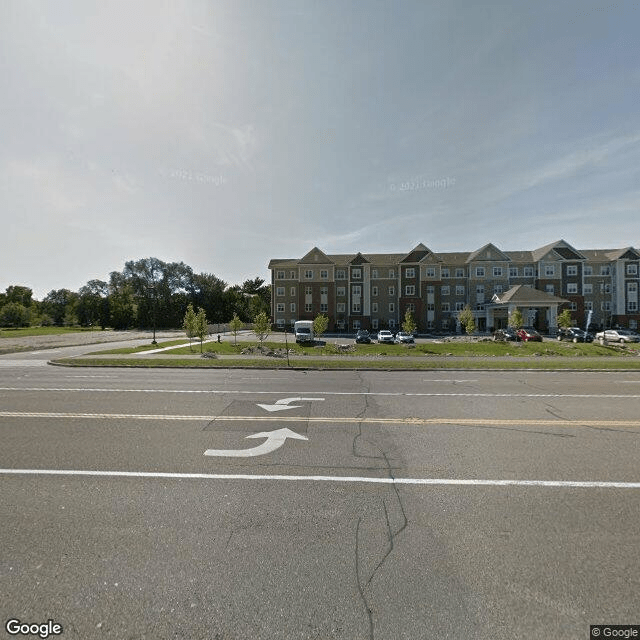
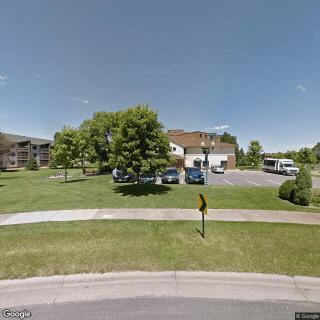
6121 Brooklyn Blvd, Brooklyn Center, MN 55429
To contact a resident: (763) 504-6700
For more information about senior living options: (866) 208-4318
The Sanctuary of Brooklyn Center Costs & Pricing
The Sanctuary of Brooklyn Center offers competitive pricing for its accommodations compared to the broader market in Hennepin County and Minnesota as a whole. For a studio apartment, residents can expect to pay $3,700 per month, which is slightly below the average cost in Hennepin County at $3,713 but above the state average of $3,617. In terms of one-bedroom units, The Sanctuary positions itself at $4,200 per month, which significantly exceeds both the county's average of $3,550 and the state's lower average of $2,893. This pricing reflects not only the quality and amenities offered by The Sanctuary but also illustrates its commitment to providing an enriching living environment amidst varying local costs.
| Floor plans | The Sanctuary of Brooklyn Center | Hennepin County | Minnesota |
|---|---|---|---|
| Studio | $3,700 | $3,713 | $3,617 |
| 1 Bedroom | $4,200 | $3,550 | $2,893 |
Memory care communities with a similar price nearby
-
from -$700 / mo
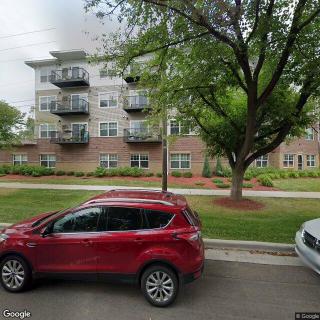
Highland on Graham
$3,000 to $4,000 / month13.6 miles away -
from -$360 / mo

The Fountains at Hosanna
$3,340 to $4,440 / month24.7 miles away -
from +$595 / mo

Keystone Place at LaValle Fields
$4,295 to $5,695 / month17.3 miles away -
About the same

Lilydale Senior Living
$3,780 / month14.7 miles away -
from -$200 / mo

Atlas Villas Memory Care
$3,500 / month19.3 miles away
Overall Review of The Sanctuary of Brooklyn Center
Pros
 The building is described as 10/10, with great staff, engaging activities, and residents who are always smiling.
- Families highly recommend The Sanctuary at Brooklyn Center; residents reportedly enjoy a great apartment and receive impressive care and check-ups.
- New residents are reportedly happier after moving in.
- The staff are amazing, the activities are engaging, and residents are greeted by name.
- Families feel comfortable leaving home, knowing their loved ones are safe, taken care of, and loved.
- The memory care staff are great and provide very good care; the facility is recommended.
- The building is absolutely beautiful with frequent activities and smiling staff; it comes highly recommended.
Cons
 They experienced sloppy med management, miscommunication among management, staff, and family, and a lack of facility cleanliness.
- They endured a bedbug infestation that seemed to get worse over time, with staff staying clear of the apartment.
- They felt The Sanctuary cared more about its bottom line than the health and safety of residents.
- They found memory care to be poor due to untrained, uncertified aides who couldn't perform basic tasks; clothes disappeared, and the room smelled like urine.
- They reported neglect and possible abuse, including bruises on their grandmother and a hospital-initiated investigation.
- They described staff as unresponsive after move-in and lacking condolences when a relative died.
- They acknowledged the building’s beauty but described the service as terrible.
- They criticized the admission process as unprofessional, with residents treated as troublemakers during screening.
Review
The Sanctuary of Brooklyn Center is best suited for active seniors who thrive in a bright, social environment and for families willing to stay engaged and advocate for steady oversight. The building presents well, with lively programming and spaces that encourage interaction, and staff who can be warm and responsive in day-to-day moments. This can translate into real quality of life gains for residents who mostly need help with routine activities and medication reminders rather than intensive memory-care protocols. The fit, however, hinges on solid operations: when management, medical coordination, and housekeeping are reliably aligned, the experience can be pleasant. When these systems falter, the advantages quickly diminish, making it less suitable for anyone whose safety and medical needs require consistently flawless execution.
Those who should consider alternatives are families prioritizing impeccable medical management, transparent communication, and spotless, tightly supervised living. Multiple reviews flag sloppy medication handling and fragmented communication among administration, staff, and families. Bedbug infestations, lingering cleanliness problems, and refused or delayed attention to issues create an environment where health and dignity can feel compromised. In memory care specifically, accounts range from adequate to severely neglected, with uncredentialed aides and gaps in basic care. For families relying on certified personnel and predictable, proactive oversight, stronger options elsewhere will likely deliver more peace of mind.
The community’s strengths, where they land, offset the drawbacks most meaningfully when the daily life of residents centers on engagement and warmth. The most consistent positives are the atmosphere: a well-kept campus, a calendar rich in activities, and staff who greet residents by name and participate in their routines. Some families report that memory-care teams are capable and caring, and a few residents experience genuine happiness and stability after moving in. These positives matter because they can meaningfully improve mood, reduce isolation, and sustain a sense of normalcy. Yet the bright rooms and cheerful programs do not cancel out the risk signals raised by inconsistent med management, sporadic communication, and reported cleanliness lapses. The practical decision comes down to whether engagement can be sustained without compromising safety.
Prospective movers should approach with a clear due-diligence plan. First, demand a transparent medication workflow: who administers pills, how doses are tracked, and what the escalation process looks like when a dose is missed or a call light goes unanswered. Second, request a candid tour of the memory-care unit, verify aides’ certifications, and insist on meeting the care director or administrator responsible for day-to-day coordination. Third, examine incident logs and remediation steps to see whether past problems were acknowledged and corrected. Fourth, assess cleanliness across times of day, rooms, laundry, common areas, and observe how staff respond to residents’ requests for help. Finally, speak with multiple current families and ask for recent references to understand consistency across shifts and seasons.
The reality on the ground appears mixed: some families experience genuine affection from staff, visible engagement, and meaningful improvements in mood and routine. Others describe startup-like turbulence, delayed responses, unclear communication, and, in some cases, serious concerns about safety and dignity. This contrast suggests a facility that can deliver high-touch, person-centered care in the right circumstances but remains vulnerable to staffing and operational gaps. For families willing to stay actively involved, request detailed benchmarks, and monitor care closely, The Sanctuary can become a comforting, stimulating home with the right oversight. For those seeking a hands-off, consistently flawless operation, more stable options exist.
In practical terms, decide with the following in mind: The Sanctuary can be a solid choice for families who value atmosphere, social vitality, and a staff presence that responds well under disciplined oversight. It is less suitable for those with significant memory-care needs, stringent medication-management expectations, or a zero-tolerance view of cleanliness and administrative inconsistency. Before committing, conduct rigorous due diligence, observe medication handling, verify aide credentials, tour the memory-care area with questions in hand, and solicit candid feedback from several current residents’ families. If persistent red flags emerge, prioritize alternatives with stronger track records for safety, reliability, and transparent communication. If not, the Sanctuary stands as a viable, engaging home that can support both resident well-being and family peace of mind.
 Assisted Living
 Memory Care
 Activities on-site
 Devotional services off-site
 Indoor common areas
 Minneapolis-St Paul International (14 miles away)
 Ambulatory care
 Diabetic care
 Incontinence care
 Medication management
 Meals provided



 Why Do Dementia Patients Sleep So Much? Understanding Oversleeping, Stages, and Care Approaches
 8 Key Indicators That Suggest It May Be Time to Transition from Assisted Living to Skilled Nursing Care
 Nourishing the Mind: Essential Dietary Approaches for Dementia