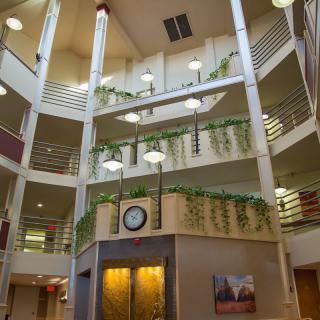
Hmong Senior Health Care in Brooklyn Center, MN

6206 Brooklyn Boulevard, Brooklyn Center, MN 55429

For more information about senior living options: (844) 490-3973

4 from 4 reviews
5 stars
3
4 stars
0
3 stars
0
2 stars
0
1 stars
1

Assisted Living

What level of care are you interested in?

Assisted Living

Memory Care

Independent Living

Skilled Nursing Facility

Continuing Care Retirement Community (CCRC)CCRC

Other


Request a tour at Hmong Senior Health Care

    Overall Review of Hmong Senior Health Care

    Pros

    • pro The reviewer had a smooth onboarding when starting with the PCA agency in 2021.
    • pro The reviewer did not encounter any issues at the outset with the PCA agency.

    Cons

    • pro The agency is described as shady and untrustworthy, with concerns raised that were not adequately addressed.
    • pro They are the lowest paying PCA agency in Minnesota, offering $12?$14 per hour with no holiday, sick, or paid time off, unlike competing agencies.
    • pro They never provided resources or training for new employees, and onboarding incentives were reportedly not properly credited.
    • pro They failed to clearly disclose how much would be deducted for fidelity and bond insurance, with the reviewer alleging it is illegal to deduct such costs from earned income in this context.
    • pro They did not provide training for mandatory electronic time-tracking, withheld information from Ucare recipients, and refused to pay for time and services already provided; several paychecks remained unpaid, and they stopped responding to inquiries.
    • pro The reviewer characterizes the level of professionalism and business ethics as appalling and warns others to stay away.

    Review

    Hmong Senior Health Care in Brooklyn Center is best suited for families seeking in-home PCA support from a locally owned provider that speaks to a culturally nuanced approach. The arrangement can work well for seniors who want to remain at home and who value caregiver continuity and language familiarity when operations run smoothly. It promises direct access to personal care services and coordination with state-supported programs without the need for a move to a traditional facility. Yet the model carries substantial administrative risk that can derail care, making it a poor fit for households that demand flawless reliability and fully transparent business practices.

    Those who should consider alternatives are families that require consistently reliable payroll, clear communication, and formal staff training. If timely pay, predictable scheduling, and explicit deductions are non-negotiables, seek agencies with explicit policies, fair benefits, and independent oversight. For seniors needing steady, medically oriented oversight, a licensed home care agency with strong governance or a traditional assisted living setting offering centralized management may deliver greater peace of mind and steadier care.

    On the upside, there are signs of potential when the operation functions without friction. Some reviewers described smooth onboarding at the outset and indicated the capacity to access home-based care and general responsiveness when issues were not escalated. These positives suggest that, in the right moments, the service can meet basic expectations for personal care. However, the favorable signals are consistently overshadowed by persistent administrative gaps that undermine trust and continuity.

    The most troubling red flags cluster around pay, training, and transparency. Reports describe the agency as among the lowest paid among comparable Hmong-owned providers, offering little to no holiday, sick, or paid time off, with training for new staff either minimal or absent. There are serious concerns about deductions for fidelity and bond insurance that were not clearly disclosed and, in some views, appear illegally structured as payroll withholdings rather than legitimate employer obligations. Payroll disputes, unresponsiveness, and a storefront that stops answering calls or returns messages compound the instability and raise questions about overall governance and accountability.

    Those gaps decisively tilt the balance away from this option for families prioritizing stable care. The benefits of home-based care - personal attention, language and cultural alignment, and caregiver continuity - do not compensate for payroll volatility, opaque financial practices, and leadership that delays or avoids accountability. The risk of caregiver turnover grows, along with the potential for missed shifts and inconsistent supervision, which directly undermines safety and day-to-day quality of life. Alternative paths with tighter regulatory oversight, clearer compensation policies, and proven staff stewardship will typically deliver more predictable experiences.

    Actionable steps guide families who still want to explore this community. Seek a detailed, written agreement that specifies pay rates, time-tracking methods, training commitments, and who covers fidelity and bond insurance. Request recent payroll records and a transparent dispute-resolution process, and verify state licensing with a designated supervisor or care manager available for ongoing oversight. Speak with current clients or families, corroborating references through state resources, and establish a probationary period with concrete milestones and check-ins. If these assurances cannot be delivered, prioritize licensed home care agencies with established governance or assisted living facilities that provide centralized management and consistent staffing. The bottom line is clear: home-based PCA support can be a good fit for the right family, but only with trustworthy leadership and dependable pay practices that safeguard continuity of care.

    Features

    Housing

    • 21 resident community capacity 21 resident community capacity

    Types of Care

    • Assisted Living Assisted LivingAssisted living facilities provide crucial support and care for seniors who may need help with daily tasks such as medication management, bathing, and meal preparation. These communities offer a safe and comfortable environment where seniors can maintain their independence while receiving the assistance they need to thrive in their golden years.

    Amenities

    • Beauty salon Beauty salonBeauty salons are important for seniors because they provide a space for them to feel pampered, socialize, and maintain their personal grooming and hygiene. Regular visits to a beauty salon can help boost seniors' self-esteem and overall well-being.
    • Cable or satellite TV Cable or satellite TVCable or satellite TV is important for seniors because it provides entertainment, news, and companionship, helping to combat loneliness and boredom. It also offers a wide range of programming options tailored to different interests and preferences.
    • Dining room Dining roomDining rooms are important for seniors as they provide a space for socialization, connection, and nutritious meals. They offer opportunities for residents to bond over shared meals, foster a sense of community, and promote healthy eating habits. Dining rooms also ensure that seniors have access to well-balanced meals tailored to their dietary needs and preferences.
    • Fully furnished Fully furnishedFully furnished senior living communities are important for seniors because they provide convenience, comfort, and a hassle-free moving experience. Seniors can easily settle into their new living space without the stress of having to buy and move furniture. This allows them to focus on enjoying their new home and community.
    • Garden GardenGardens are important for seniors as they provide a peaceful and therapeutic environment for relaxation, physical activity, and socialization. Being in nature has been shown to reduce stress, improve mood, and promote overall well-being. Gardens also offer opportunities for seniors to engage in gardening activities, which can improve mobility, flexibility, and cognitive function. Additionally, gardens create a sense of community and connection with others who share a passion for plants and outdoor spaces.
    • Housekeeping services Housekeeping servicesHousekeeping services are important for seniors because they help maintain a clean and safe living environment, promote independence, and reduce the risk of accidents or illnesses. Additionally, having assistance with household chores can alleviate physical strain and allow seniors to focus on other aspects of their well-being.
    • Kitchenette KitchenetteKitchenettes are important for seniors living in senior living communities because they provide the convenience and independence of being able to prepare simple meals and snacks in the comfort of their own living space. This can help promote a sense of autonomy and well-being for seniors, allowing them to maintain some level of control over their dietary choices and daily routines.
    • Move-in coordination Move-in coordinationMove-in coordination is important for seniors because it helps ease the transition into their new living environment. It ensures that all logistics, such as packing, organizing movers, and setting up utilities are taken care of, allowing seniors to focus on settling in and adjusting to their new home. Having a smooth move-in process can alleviate stress and anxiety, making the transition smoother and more enjoyable for seniors.
    • Outdoor space Outdoor spaceOutdoor spaces are important for seniors as they provide opportunities for physical activity, social interaction, exposure to natural light and fresh air, and a sense of connection to nature. Having access to outdoor spaces can improve overall well-being and quality of life for older adults living in senior communities.
    • Telephone TelephoneTelephones are important for seniors as they provide a lifeline for communication with loved ones, emergency services, and healthcare providers. They offer a sense of security and independence, enabling seniors to stay connected and access assistance when needed.
    • Wi-Fi/high-speed internet available Wi-Fi/high-speed internet availableWi-Fi/high-speed internet is important for seniors to stay connected with loved ones, access online resources, and participate in virtual activities to combat feelings of loneliness and isolation. It also allows them to easily manage healthcare needs, access entertainment, and engage in lifelong learning opportunities.

    Transportation

    • Minneapolis-St Paul International (14 miles away) Minneapolis-St Paul International (14 miles away)

    Care Services

    • 24-hour call system 24-hour call system24-hour call systems are important for seniors because they provide peace of mind and immediate assistance in case of emergencies. This technology ensures that help is always available, promoting safety and security for elderly individuals living alone or in assisted living facilities.
    • 24-hour supervision 24-hour supervision24-hour supervision is important for seniors to ensure their safety, well-being, and access to immediate assistance in case of emergencies or health issues. This constant support provides peace of mind for both seniors and their loved ones, allowing them to age in place with dignity and security.
    • Activities of daily living assistance Activities of daily living assistanceActivities of daily living assistance are important for seniors because they provide essential support with tasks such as eating, bathing, dressing, and mobility. This assistance helps seniors maintain their independence, dignity, and overall quality of life as they age.
    • Assistance with bathing Assistance with bathingAssistance with bathing is crucial for seniors as it helps maintain personal hygiene, prevents infections, and ensures their overall well-being and comfort. It also provides a sense of dignity and independence for seniors who may struggle with this task on their own.
    • Assistance with dressing Assistance with dressingAssistance with dressing is important for seniors because it helps maintain their independence, promotes personal hygiene, prevents accidents and injuries, and improves overall quality of life. This service ensures that seniors can continue to dress comfortably and confidently, despite any physical limitations they may have.
    • Assistance with transfers Assistance with transfersAssistance with transfers is crucial for seniors as it helps prevent falls and injuries, maintains their independence, and ensures they can safely navigate their living environment. It also provides peace of mind for both seniors and their loved ones.
    • Coordination with health care providers Coordination with health care providersCoordination with health care providers is crucial for seniors to ensure proper medical care, medication management, and overall well-being. This collaboration helps prevent overlapping treatments, track progress more effectively, and provide comprehensive support tailored to individual needs.
    • Diabetes diet Diabetes dietA diabetes diet is crucial for seniors as it helps manage blood sugar levels, reduce risks of complications, and improve overall health and well-being. By following a balanced and nutritious diet tailored to their specific needs, seniors can better control their diabetes and enhance their quality of life.
    • Meal preparation and service Meal preparation and serviceMeal preparation and service are crucial for seniors as they may have limited mobility or energy to cook nutritious meals. Having access to healthy and convenient food options can ensure they are getting the proper nutrition needed to maintain their overall health and well-being.
    • Medication management Medication managementMedication management is crucial for seniors to ensure they are taking the right medications at the correct dosages and times. This helps prevent adverse drug interactions, reduces the risk of medication errors, and promotes overall health and well-being. Proactive management also allows for adjustments as needed based on changing health conditions or new prescriptions.
    • Mental wellness program Mental wellness programMental wellness programs are essential for seniors as they promote cognitive stimulation, emotional support, and social engagement. These programs help prevent isolation, depression, and cognitive decline, ultimately enhancing the overall quality of life for older adults.
    • Special dietary restrictions Special dietary restrictionsSpecial dietary restrictions are important for seniors because age-related changes in metabolism and health conditions can make it difficult for their bodies to process certain foods. By following a diet tailored to their specific needs, seniors can maintain their overall health and well-being, manage chronic conditions, and reduce the risk of complications such as malnutrition or food interactions with medications.
    • Transportation arrangement (medical) Transportation arrangement (medical)Transportation arrangements for medical purposes are essential for seniors as they may have difficulty driving themselves to appointments or accessing public transportation. Having reliable and safe transportation options ensures that seniors can receive timely medical care and maintain their health and well-being.
    • Transportation to doctors appointments Transportation to doctors appointmentsTransportation to doctors' appointments is crucial for seniors as it ensures they have access to necessary medical care and support for their health needs. Without reliable transportation, seniors may struggle to attend important appointments, leading to potential delays in treatment and health complications. Providing transportation services helps seniors maintain their overall well-being and quality of life.

    Dining

    • Diabetes diet Diabetes dietA diabetes diet is crucial for seniors as it helps manage blood sugar levels, reduce risks of complications, and improve overall health and well-being. By following a balanced and nutritious diet tailored to their specific needs, seniors can better control their diabetes and enhance their quality of life.
    • Special dietary restrictions Special dietary restrictionsSpecial dietary restrictions are important for seniors because age-related changes in metabolism and health conditions can make it difficult for their bodies to process certain foods. By following a diet tailored to their specific needs, seniors can maintain their overall health and well-being, manage chronic conditions, and reduce the risk of complications such as malnutrition or food interactions with medications.

    Activities

    • Community-sponsored activities Community-sponsored activitiesCommunity-sponsored activities are important for seniors as they provide opportunities for social interaction, mental stimulation, and physical activity. These activities can help improve overall well-being, combat loneliness and isolation, and promote a sense of belonging and purpose among older adults.
    • Resident-run activities Resident-run activitiesResident-run activities are important for seniors as they encourage social interaction, creativity, and a sense of autonomy. These activities empower seniors to stay engaged and active in their community while fostering meaningful connections with their peers.
    • Scheduled daily activities Scheduled daily activitiesScheduled daily activities are important for seniors because they provide structure, socialization, mental stimulation, and physical activity. Engaging in regular activities can improve overall well-being and quality of life for seniors living in a community setting.

    Description

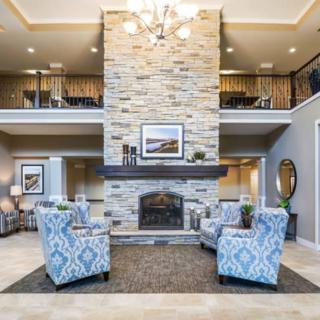
    The Hmong Senior Health Care in Brooklyn Center, MN is a fully furnished assisted living community that offers a range of amenities and care services to meet the needs of senior residents. The community provides a comfortable and welcoming environment with amenities such as cable or satellite TV, dining room, kitchenette, Wi-Fi/high-speed internet, and outdoor space for residents to enjoy.

    In terms of care services, Hmong Senior Health Care offers 24-hour supervision for residents' safety and peace of mind. Assistance with activities of daily living such as bathing, dressing, and transfers is provided by trained staff members. The community also coordinates with health care providers to ensure seamless medical care for residents. Medication management is available to help seniors keep track of their medications effectively.

    Hmong Senior Health Care understands the importance of maintaining a healthy lifestyle. They offer a diabetes diet for individuals who require special dietary restrictions. Meal preparation and service are provided to ensure that residents receive nutritious meals throughout the day. Additionally, the community has a mental wellness program in place to promote overall psychological well-being.

    Transportation arrangements are made for medical appointments to ensure that residents have easy access to healthcare services when needed. There are also nearby cafes, parks, pharmacies, restaurants, places of worship, and hospitals within close proximity to provide convenience and opportunities for socialization.

    At Hmong Senior Health Care, resident engagement is encouraged through resident-run activities and scheduled daily activities designed to cater to different interests and preferences. Housekeeping services are provided to maintain cleanliness and hygiene within the community.

    With its array of amenities, care services, convenient location near essential establishments and health facilities, Hmong Senior Health Care aims to provide a supportive and inclusive assisted living experience for seniors in Brooklyn Center, MN.

    Nearby Places of Interest

    Pharmacies

    • Walgreens (0.2 miles)
    • Park Nicollet Clinic (1.2 miles)
    • Walgreens (2.4 miles)
    • Walgreens (2.7 miles)
    • CVS Pharmacy (2.8 miles)
    • Walgreens (3 miles)
    • Walgreens (3.4 miles)

    Restaurants

    • Culver's (1 miles)
    • Big Louie's Bar & Grill (2 miles)
    • White Castle (2.4 miles)
    • Wendy's (2.6 miles)
    • McDonald's (3 miles)
    • McDonald's (3 miles)
    • McDonald's (3.1 miles)

    Cafes

    • Caribou Coffee (1.7 miles)
    • Starbucks (5.7 miles)
    • Caribou Coffee (6.1 miles)
    • Starbucks (6.2 miles)
    • Starbucks (6.4 miles)

    Parks

    • Twin Lake Beach Park (1.9 miles)
    • Pinebrook Park (4.1 miles)
    • Silverwood Park (5.2 miles)
    • Boom Island Park (5.9 miles)
    • North Loop Dog Park (6 miles)
    • French Regional Park (6.2 miles)
    • Mill Ruins Park (6.9 miles)

    Physicians

    • Northwest Family Physicians PA (2.1 miles)
    • Eyeklinic of Edinburgh (3 miles)
    • Fairview Fridley Clinic (3.4 miles)
    • Aesthetic Reconstructive Plastic Surgery (4.3 miles)
    • Eye Care Center (4.3 miles)
    • Suburban Radiologists (5 miles)
    • Northtown Mall (5.2 miles)

    Places of Worship

    • Elim Church Center (2.8 miles)
    • Fridley United Methodist Church (3.8 miles)

    Hospitals

    • Unity Hospital (4.4 miles)
    • Regency Hospital (5.2 miles)

    Theaters

    • AMC Coon Rapids 16 (6.3 miles)

    Frequently Asked Questions

    Where is Hmong Senior Health Care?

    Nearby Communities

    • Butterfly Bound Care II

      Butterfly Bound Care II

      Brooklyn Center, MN


      pro Small, intimate community with personalized care, 24/7 supervision, ADL assistance, diabetes-friendly meals, and coordinated transportation.

    • Best Care Group

      Best Care Group

      Brooklyn Center, MN

      1 from 1 review
       

      pro Fully furnished suites with 24/7 supervision and on-site dining.

    • Butterfly Bound Care

      Butterfly Bound Care

      Brooklyn Center, MN


      pro Small, personalized community with 24/7 care, medication management, and mental wellness support.

    • Butterfly Bound Care III

      Butterfly Bound Care III

      Brooklyn Center, MN


      pro Fully furnished living spaces with meals, housekeeping, medication management, and transport support.

    • American Best Home Care

      American Best Home Care

      Brooklyn Center, MN

      1 from 1 review
       

      pro Small, personalized assisted living with 24/7 supervision and comprehensive care (ADL support, medications, meals, diabetes diet).

    • The Sanctuary at Brooklyn Center

      The Sanctuary at Brooklyn Center

      Brooklyn Center, MN

      3.7 from 19 reviews
       

      pro Vibrant activities and a modern, appealing setting.

    • Ecumen Prairie Lodge

      Ecumen Prairie Lodge

      Brooklyn Center, MN

      4.1 from 69 reviews
      $3,150 / month

      pro Friendly staff and a welcoming, home-like atmosphere with active resident engagement.

    • The Crossings at Brookwood

      The Crossings at Brookwood

      Brooklyn Center, MN

      4.6 from 34 reviews
      $830 to $910 / month

      pro Quiet, friendly community with active social events and helpful staff.

    • Copperfield Hill

      Copperfield Hill

      Robbinsdale, MN

      4 from 130 reviews
      $1,595 to $2,950 / month

      pro Welcoming community with a broad range of activities and flexible care options.

    Related Resources

    • va benefits for assisted livingAssisted Living Support for Veterans: A Complete and Detailed Overview

      The guide highlights the importance of assisted living facilities for aging veterans needing daily support, discusses unique challenges they face, and outlines available financial assistance from the VA, including the Aid and Attendance program. It emphasizes understanding eligibility criteria and navigating the VA system to access necessary benefits effectively.

    • assisted living vs skilled nursingExploring the Contrasts Between Assisted Living and Skilled Nursing

      The article compares assisted living and skilled nursing facilities, detailing their differing levels of assistance, medical support, cost structures, and day-to-day experiences. It emphasizes that assisted living is for those needing help with daily activities while maintaining independence, whereas skilled nursing facilities provide intensive medical care with 24-hour staff supervision.

    • when to move from assisted living to nursing home8 Key Indicators That Suggest It May Be Time to Transition from Assisted Living to Skilled Nursing Care

      The transition from assisted living to skilled nursing care is often prompted by complex medical needs that assisted living cannot meet, with key indicators including frequent health declines, increased falls, severe memory issues, and caregiver burnout. Families should recognize these signs early to discuss options with healthcare providers and prepare for the emotional and logistical aspects of moving to a facility that offers comprehensive medical support.


    Get Pricing Ask A Question Schedule A Tour Contact Senior Advisor