
9145 Meadowview Road, Bloomington, MN 55425
For more information about senior living options: (866) 208-4318
Overall Review of The Geneva Suites 3
Pros
 The staff are super caring.
- They provide top-notch care.
- The staff are always in great communication.
- They’ve been proactive and flexible.
- The physical therapy program keeps residents strong and mobile.
- The facility believes in a team approach, which helps residents immensely.
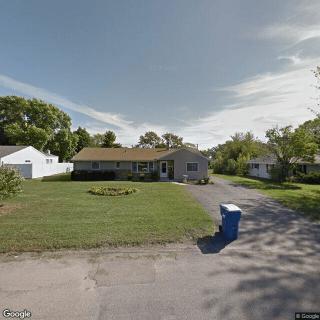
- The house is light, bright, and spacious with a great, homey feeling.
Cons
 The facility was not a very nice place.
- The bathroom was across the hall and it was a public restroom, which bothered him.
- He was given two incorrect medications that were for a different resident.
- That happened on a Sunday, and they didn’t find out until Wednesday, leaving them upset.
- The owner never called back regarding that incident.
- They did not help him with his physical therapy.
- They claimed to have Alzheimer's–trained professionals, but those professionals did not participate in the exercises when the PT wasn’t there.
- He never did his exercises unless the PT came, and there was nobody there to watch them.
- Every time they called, he was in his room alone.
- They did not take him out to the dining room.
- He never did any activities there.
Review
The Geneva Suites Lighted Oak in Bloomington is best suited for families seeking a small, homey, 24-hour residential care setting where attentive staff and a hands-on physical therapy program can make a real difference in maintaining mobility and quality of life. This is not a large campus; it’s a six-bedroom operation that can deliver personalized attention, clear communication, and a warm, neighborly atmosphere. It works best for residents who do not require extensive memory-care programming or a wide social calendar, but who benefit from daily consistency, proactivity from caregivers, and a close-knit care team that treats residents like family.
Those who may want to consider alternatives should note two important caveats. First, memory-care needs can be a deal-breaker here if specialized cognitive programming and highly structured routines are priorities. Second, families that demand rigorous medication safety, robust daily activities, and a proven track record of consistent, comprehensive PT oversight may find this setting less predictable. The limited bed count amplifies the impact of any staffing gaps, and that reality shows up in some of the contrasted experiences shared by families.
On the plus side, the strongest positives center on care quality and the human element. When staff communicate well, as observed by a family member whose brother benefited from the program, the care feels proactive, flexible, and truly collaborative. The physical therapy component stands out as a cornerstone for maintaining strength and mobility, with a team approach that supports residents beyond episodic sessions. The environment matters too: a light, bright, and homey house atmosphere can reduce anxiety and help residents settle in, while dedicated, caring staff create a sense of security and continuity that families value.
Yet the downsides cannot be dismissed. The most glaring concerns revolve around size and structure: only six bedrooms mean fewer resident interactions and a more concentrated risk if key staff are unavailable. Operating across a hallway from a bathroom that feels distant or shared can be awkward for those needing accessibility and privacy. Medication errors surfaced as a serious red flag in one case, including an instance of cross-resident dosing and a lack of timely communication with family. And despite the claim of highly trained professionals for memory care, there are reports of PT not being consistently overseen or integrated into daily routines, leaving residents sedentary when it matters most. Activities and engagement also appeared uneven, with some residents receiving little in the way of daily social programming or structured out-of-room time.
These tensions between strengths and weaknesses translate into a clear decision framework. For families prioritizing mobility and intimate, individualized attention, this community can deliver meaningful gains, particularly when there is rigorous oversight of medications and a concrete plan to coordinate PT sessions with day-to-day activities. The key protection against the main cons is the transparency and consistency of communication: insist on a dedicated care coordinator, regular progress updates, and clear crisis escalation procedures. In short, the PT program and the team-oriented care model can offset limited capacity and intimate space, but only if care plans are tightly managed and consistently executed.
Conversely, for residents who require strong, structured memory-care programming, predictable daily schedules, and a robust, diversified activities calendar, alternatives may offer better fit and fewer surprises. Prospective families should interrogate medication protocols, tour the PT area with a clinician present, and request candid references from multiple families who live with or have left the community. Ask for a written daily schedule, see how meals are coordinated with activities, and specifically verify how memory-care needs are addressed, including staff training and engagement strategies. A trial stay or short-term residency can be a decisive test, revealing whether the homey atmosphere translates into reliable, comprehensive care or if the gaps observed in some reviews persist in practice.
In the end, The Geneva Suites Lighted Oak presents a practical option for families who prize a warm, intimate setting with strong PT support and clear caregiver communication, provided that medication safety is non-negotiable and a concrete, ongoing plan for daily engagement is in place. For those whose loved one requires deeper memory-care expertise, more extensive social programming, or more standardized care protocols, it is wise to compare larger, memory-focused communities where staffing and systems are designed to ensure consistency day in and day out. A careful, structured tour that probes the organization’s strongest risk areas will reveal whether this six-bedroom home truly aligns with the resident’s medical needs, personality, and family expectations.
 6 resident community capacity
 Assisted Living
 Cable or satellite TV
 Dining room
 Fully furnished
 Garden
 Housekeeping services
 Move-in coordination
 Outdoor space
 Telephone
 Wi-Fi/high-speed internet available
 Minneapolis-St Paul International (3 miles away)
 24-hour supervision
 Activities of daily living assistance
 Assistance with bathing
 Assistance with dressing
 Assistance with transfers
 Diabetes diet
 Meal preparation and service
 Medication management
 Special dietary restrictions
 Transportation arrangement (medical)
 Transportation to doctors appointments

 8 Key Indicators That Suggest It May Be Time to Transition from Assisted Living to Skilled Nursing Care
 Vibrant Senior Living: A Comprehensive Guide for Active Older Adults
 When to Transition from Assisted Living to Memory Care: Key Indicators, Steps, and Finding the Right Community