
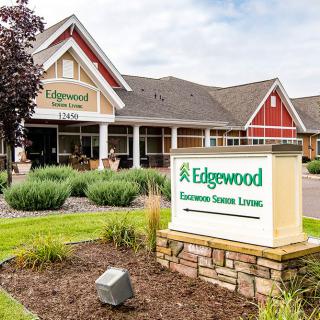
2214 Arnold Palmer Drive, Blaine, MN 55449
For more information about senior living options: (866) 208-4318
Overall Review of Serenity Health Care Services
Pros
 Abdi is a calm and encouraging nurse and teacher.
- He is highly professional, kind, and positive all the time.
- He is wise beyond his years and shares thoughtful and encouraging ideas.
- He listens attentively, asks how patients are doing, and offers helpful suggestions.
- He goes above and beyond, helping obtain trach supplies when there were difficulties with the home health company.
- Abdi has been a true blessing during the recovery.
Review
This community is best suited for families and individuals who require skilled nursing care delivered in the home, especially those recovering from serious illness or procedures, managing a tracheostomy, or needing ongoing wound care and regular vital-sign monitoring. Serenity Health Care Services in Blaine operates as a focused home-health option, placing a premium on one-on-one professional attention. The reviews underscore a level of clinical competence and personal warmth that translates into practical, measurable reassurance for caregivers and patients alike. In particular, the care team’s ability to perform complex tasks, teach self-care, and coordinate supplies when obstacles arise matters most for anyone navigating a delicate recovery at home.
Those who may want to consider alternatives include families seeking round-the-clock supervision, a broader social environment, or a facility with varied onsite services and activities. If 24/7 monitoring is essential, or if there is concern about continuity of care if a single clinician isn’t available, a traditional assisted living setting or a larger home-health network with multiple assigned clinicians might be more suitable. Financial considerations, insurance coverage, and a preference for a more structured daily routine or arranged social engagement can also push families toward different options. In short, when the priority is extensive staffing variety and built-in social programming, look beyond a single-provider home-health model.
The strongest pro is the demonstrated clinical excellence paired with a calm, patient-centered approach. The nurse described in the reviews handles wound care, trach bandage changes, and trach ties with competence and care, while also performing routine blood pressure and oxygen checks and assessing overall physical and mental well-being. Beyond technical skill, the practitioner is consistently patient, encouraging, and a good listener, traits that reduce anxiety for families and support adherence to care plans. There is also notable practical savvy in navigating supply issues, obtaining needed equipment, and coordinating with home-health suppliers to avoid gaps in care. That combination of skill and bedside manner creates a high-confidence environment for recovery at home.
Yet the most meaningful caveat centers on staffing dynamics. The main practical con of this arrangement is potential dependence on a single, highly capable clinician. If scheduling proves difficult or if continuity with that clinician cannot be guaranteed, families may experience variability in responsiveness or hands-on care. However, the offset is substantial: when a nurse combines meticulous clinical execution with proactive communication and problem-solving, the quality of daily care tends to be predictably excellent. The ability to teach families how to manage bandages, monitor vitals, and secure supplies, even when challenges arise, creates genuine resilience in the home-care plan and often reduces hospital readmission risk.
To make a well-informed choice, inquire about coverage and continuity: how many clinicians might rotate through a patient’s plan, what backup is available if the primary nurse is unavailable, and how quickly calls are returned for urgent questions. Verify the scope of services beyond trach and wound care, are there routine wellness checks, medication management, or post-discharge support for transitions to clinics or hospitals? Confirm how supply chains are maintained and what happens if specialized equipment is needed. Understanding the cadence of visits, the communication protocol, and the expected response times will reveal whether the experience aligns with a family’s expectations for safety, independence, and peace of mind.
In the end, Serenity Health Care Services stands out for families prioritizing exceptional skilled nursing at home, delivered with a rare blend of clinical mastery and compassionate, proactive support. The right fit is a household that values individualized attention, consistent expert oversight, and the confidence that a capable clinician is guiding the recovery journey. If that description aligns with needs for home-based nursing, this option is hard to surpass. If instead the appeal lies in a broader social setting, more extensive staffing redundancy, or a structured facility-based lifestyle, alternatives should be explored to ensure the care environment matches long-term goals. The decision hinges on balancing the comfort of highly capable one-on-one care with the practical realities of staffing and care preferences.
 21 resident community capacity
 Assisted Living
 Beauty salon
 Cable or satellite TV
 Dining room
 Fully furnished
 Garden
 Housekeeping services
 Kitchenette
 Move-in coordination
 Outdoor space
 Telephone
 Wi-Fi/high-speed internet available
 Minneapolis-St Paul International (21 miles away)
 24-hour call system
 Activities of daily living assistance
 Assistance with bathing
 Assistance with dressing
 Assistance with transfers
 Diabetes diet
 Meal preparation and service
 Medication management
 Mental wellness program
 Special dietary restrictions
 Transportation arrangement (medical)
 Transportation to doctors appointments


 When to Transition from Assisted Living to Memory Care: Key Indicators, Steps, and Finding the Right Community
 Assisted Living and Memory Care: Understanding Their Core Differences
 Beyond the Bingo Hall: 50+ Enriching Activities for Seniors in Assisted Living