
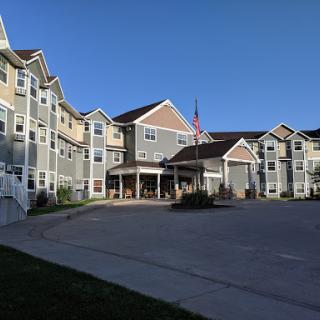
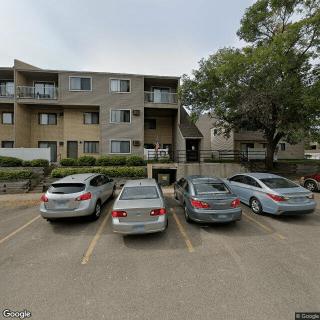
940 Overton Drive Ne, Fridley, MN 55432
For more information about senior living options: (866) 208-4318
Overall Review of Rightway Home Svs Overton
Pros
 Rightway is very caring.
- Rightway’s care for a family friend noticeably improved her quality of life.
- The reviewer expresses gratitude for Rightway’s care.
- The PCA services provided were excellent for a loved one.
- The family could sleep better at night knowing their loved one was being well cared for.
Cons
 They claim they were hired for a position they never performed and were placed into a role without any training.
- They were not provided proper equipment and were expected to buy their own laptop, use their own phone, buy supplies, and even a desk.
- When they requested trainings or to sit with other managers, those requests were denied.
- Preexisting staff allegedly collaborated to target staff they disliked in order to get them fired.
- Upper management is described as unwilling to fully investigate issues, report things fairly, and as discriminating in inappropriate ways.
- They consider the work environment not safe and not a place they’d want loved ones to live.
- They viewed posting details of a termination on a Google review as potentially defamatory and slanderous.
Review
Rightway Home Services Overton in Fridley is best suited for families seeking a small, caregiver-first environment where daily living support and genuine attention to a loved one’s well-being are the primary focus. The model rewards consistency in personal care, with frontline aides delivering regular assistance, companionship, and reminders that translate into tangible improvements in quality of life. For residents who respond well to steady, hands-on care and a home-like routine, this community provides a practical, approachable option rather than a large, impersonal campus.
Those weighing alternatives should consider how important management stability and transparent operations are to their decision. The reviews signal red flags around leadership practices, training adequacy, and the fairness of personnel actions. Prospective families with a low tolerance for perceived inconsistencies in policy enforcement, discriminatory conduct, or abrupt staffing changes will want to compare other options that emphasize formal grievance processes, documented training, and clearer accountability.
The strongest positive thread is the care delivered by the direct staff. Families describe PCA services as excellent and note that the attentive, compassionate aides help their loved ones feel safer and more supported. When a resident requires daily assistance with activities of living, meals, and routine monitoring, this hands-on care often becomes the deciding factor, generating peace of mind for relatives who cannot be present around the clock.
On the downside, the accounts of management and workplace culture are troubling enough to weigh heavily in any decision. Several reviewers allege gaps in training and equipment, with claims that employees were pressed into roles without proper resources. There are strong accusations about how upper management handles complaints, including suggestions of biased or unfair outcomes. A recurrent concern is that disputes and personnel actions are not consistently investigated or resolved in a manner that fosters a safe or respectful work environment, the kind of atmosphere that can influence caregiver morale and, by extension, resident consistency and safety.
The way these pros and cons balance will hinge on risk tolerance and priorities. If the family’s main goal is reliable, compassionate day-to-day care, the front-line staff’s demonstrated dedication can offset some concerns about governance. Yet the same governance questions create a meaningful risk: inconsistent scheduling, abrupt caregiver changes, or unclear escalation paths can undermine trust and disrupt routine care in ways that matter for chronic conditions or cognitive needs. To mitigate this, prospective families should seek clarity on staffing stability, caregiver assignments, and how issues are documented and resolved.
Practical decision steps are essential. Schedule in-person tours at different times to observe care dynamics, ask to speak with multiple aides about their daily routines, and request a concrete written care plan with safety protocols. Inquire about staff-to-resident ratios, training regimens, and how shifts are managed when last-minute absences occur. Probe the grievance and incident-report processes, and request references from other families with similar care needs. If the responses satisfy concerns and the resident’s needs align with the level of attentive care offered, Rightway presents a viable, grounded option; if governance concerns persist, it is wise to compare with providers that emphasize transparent leadership, documented policies, and steadier staffing.
 4 resident community capacity
 Assisted Living
 Cable or satellite TV
 Dining room
 Fully furnished
 Garden
 Housekeeping services
 Move-in coordination
 Outdoor space
 Telephone
 Wi-Fi/high-speed internet available
 Minneapolis-St Paul International (15 miles away)
 24-hour supervision
 Activities of daily living assistance
 Assistance with bathing
 Assistance with dressing
 Assistance with transfers
 Diabetes diet
 Meal preparation and service
 Medication management
 Special dietary restrictions
 Transportation arrangement (medical)
 Transportation to doctors appointments




 Medicare Coverage for Assisted Living: An In-Depth Exploration
 Choosing the Right Senior Care: A Detailed Exploration of Assisted Living and Nursing Homes
 Understanding the True Cost of Assisted Living in 2025: A Comprehensive Guide