
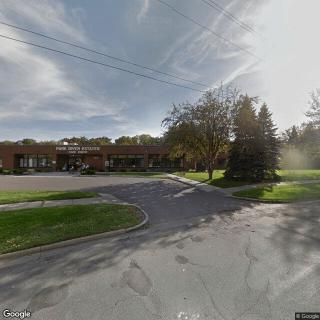
3100 85th Ave N, Brooklyn Park, MN 55443
To contact a resident: (763) 315-3993
For more information about senior living options: (866) 208-4318
Overall Review of Real Life Cooperative- Resident Owned
Pros
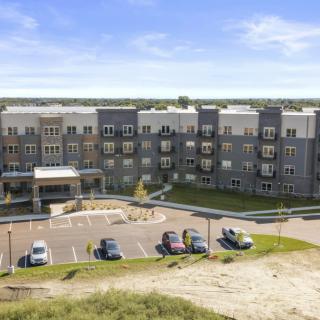
 It is an awesome co-op with a beautiful campus.
- It is very well-maintained for its age.
- It has a lovely setting and great apartments.
- It is a wonderful place to live with wonderful, friendly people.
- It feels like home with great people.
- It is a nice place with a friendly community and great residents.
- The storage is phenomenal, including a walk-in pantry, several free laundry rooms on each floor, nice-sized rooms, and decent balconies.
- Barb, the apartment manager, is sweet and helpful, and the other residents are super friendly.
- The new manager is wonderful, and the residents still love their place.
- They offer many activities and guest rooms, and they have implemented measures to keep residents safe.
Cons
 There are not as many activities as there were before 2020.
- There are fewer activities since COVID started.
- They should have done this years ago.
Review
This Brooklyn Park community is best suited for independent seniors who want a resident-owned, cooperative living environment that feels like a connected, neighbor-driven home. It works well for residents who prize a well-kept campus, practical in-building amenities, and a social, low-stress setting where daily routines can be shared with friendly neighbors. It suits those who appreciate generous storage, walk-in pantries, on-floor laundry rooms, and outdoor spaces that make everyday living comfortable. The arrangement favors residents who want control over their living situation without sacrificing convenience or a built-in community. Those requiring daily medical supervision, memory-care services, or highly structured programming should consider alternatives designed around higher-acuity care.
Pros are substantial: the campus is consistently described as beautiful and well-maintained for its age, with apartments that feel welcoming and comfortable. The real warmth comes from a sense of home and a genuinely friendly resident community that makes newcomers feel at ease. Practical conveniences stand out in everyday living, ample storage options, walk-in pantry space, multiple laundry rooms on each floor, and balconies that extend living areas. Staffing is a solid plus, with Barb the apartment manager repeatedly praised for kindness and responsiveness, and the new manager stepping into a capable role after Barb’s retirement. The social fabric remains strong, card games and other activities anchor evenings, and guest rooms are available to host family visits, reinforcing peace of mind for relatives.
How the positives offset potential downsides: the strongest offset is the co-op model itself, which cultivates a tight-knit, dependable network where neighbors look out for one another and building leadership is accountable to residents. The abundance of practical amenities reduces daily friction, lowering maintenance hassles and enabling independent living to feel easier and more predictable. While activity levels have shifted from earlier years, there remains a robust slate of social options and routine gatherings that nourish a sense of community without demanding formal, costly programming. In practice, the living environment emphasizes comfort, safety, and everyday usefulness, making any drawbacks more about tempo than quality of life.
Alternatives are worth considering for certain profiles: anyone needing ongoing personal care, daily living assistance, or memory-care supervision will likely fare better in a traditional assisted-living setting with on-site health services. Families seeking a more structured activity calendar, professional programming, or more intensive supervision may find a better match elsewhere. The co-op’s strengths, home-like atmosphere, self-governance, and steady social life, aren’t substitutes for 24/7 care, so the decision should weigh the value of independence and community against the likelihood of requiring future increases in support.
To vet this option effectively, focus on tangible signals during a visit: confirm the current management team and how responsiveness is tracked; inspect the floors for cleanliness and maintenance responsiveness; evaluate the kitchen storage options and the presence of a walk-in pantry; assess apartment size, layout, and the appeal of balconies; verify the availability and quality of guest rooms and common gathering spaces. Engage with residents about how often activities occur, who leads them, and how new programs are developed. Inquire about the overall warmth of the community and how safety and daily living support are coordinated for residents who live alone or with mobility limits. These concrete factors often drive sustained satisfaction more than surface features.
Bottom line: Real Life Cooperative in Brooklyn Park stands out for independent seniors who want a warm, neighbor-centric, resident-owned home with thoughtful amenities and practical convenience. It delivers a strong sense of belonging, solid daily-life infrastructure, and the reassurance of neighbor oversight. Those seeking robust clinical care, memory support, or a highly active programming calendar should look to alternatives designed around higher levels of service. For the right resident, this community offers a rare blend of autonomy, sociability, and peace of mind that maximizes quality of life without sacrificing independence.
 Minneapolis-St Paul International (17 miles away)


 Understanding the Nuances of Palliative Care and Hospice: A Comprehensive Exploration
 Fecal Incontinence in Older Adults: A Comprehensive Guide
 Recognizing the Journey: Understanding and Navigating Anticipatory Grief