
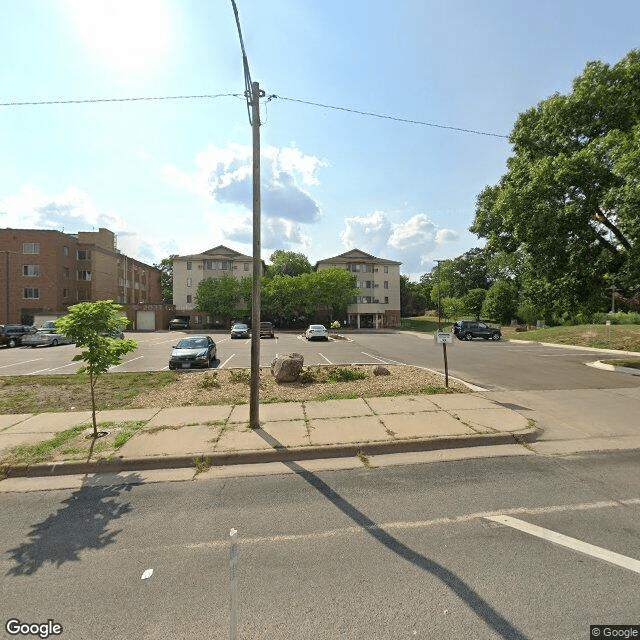
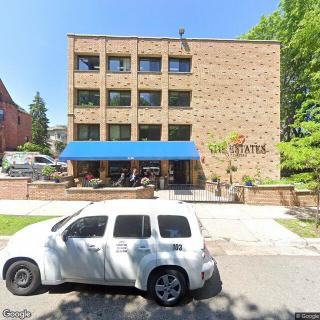
2929 Emerson Ave N, Minneapolis, MN 55411
To contact a resident: (612) 521-2929
For more information about senior living options: (866) 208-4318
Overall Review of North Oaks On Emerson
Pros
 The program is Christ-centered with leaders walking alongside men, bringing them back to their communities and families through the strength of the Lord.
- FreedomWorks is a great place to go.
- The energy is positive, and the people are enlightened and enthusiastic.
- FreedomWorks Recovery hosts Minnesota’s highest-rated and most-recommended sober meetups in the Midwest.
- Visitors are welcome to drop by anytime.
- It is an awesome place for those who love God, redemption, and giving back to others.
- Donating time at the food shelf on Wednesdays is encouraged.
- They help people and are awesome.
- It is a good place for recovery.
- The recovery community is awesome and provides opportunities to grow and connect with resources.
- It is a blessing from God.
- It is a great place to restart.
- It is a great sober community.
- The staff goes out of their way to make new people feel welcome.
- Steve, who runs the NuWay program, and the rest of the staff are highly appreciated.
Cons
 The facility is terrible.
- The reviewer alleges that staff tried to force an ambulance to take their mother to an emergency room against her wishes.
- The reviewer alleges that the administration tried to prevent moving their mother to a hospice center.
- They would never recommend anyone to take anyone there.
Review
North Oaks On Emerson in Minneapolis is best suited for seniors who want a faith-forward living environment with active pastoral leadership, a clearly defined community ethos, and meaningful peer connection. The reviews signal a setting where spiritual life and personal growth are integrated into daily routines, and where leaders walk alongside residents to help sustain relationships with families and communities. For families choosing a senior living plan, this is most appealing when a resident benefits from structured group activities, a supportive faith-based framework, and opportunities to contribute to others through service and engagement.
Those who may want to consider alternatives include families prioritizing secular programming or a different care philosophy, as well as residents with exceptionally high medical acuity or dementia care needs requiring specialized clinical oversight. If religious affiliation or a spiritually centered approach is not a fit, or if a setting emphasizes strictly secular activities and more intensive clinical supports, other communities may align better with those goals. Also, if a resident requires a highly individualized medical regime with constant monitoring or a memory-care model tuned for advanced impairment, a facility dedicated to those needs could outperform a faith-anchored option in daily operations.
The strongest positives center on the programmatic energy and the sense of community. The overall rating of 4.5 from 25 reviews, with the majority awarding five stars, speaks to broad satisfaction. Reviewers repeatedly highlight a Christ-centered program and leadership that appears engaged and visible, offering residents purpose and direction. The energy at the community is described as welcoming and contagious, with staff and leaders actively encouraging newcomers to participate and feel at home. For families seeking social vibrancy, purposeful activity, and opportunities to reconnect with faith-informed routines, these are meaningful advantages that can translate into lower withdrawal, higher social engagement, and a clearer sense of belonging.
On the downside, the mixed feedback includes a handful of low-star reviews that warrant serious attention. While the negative voices may reflect particular incidents or individual experiences, they underscore the importance of transparent governance, consistent communication, and clear resident-rights practices. In the senior-living decision-making process, these cautions translate into practical checks: ask for a detailed explanation of how decisions are made, what family involvement looks like in care planning, and how emergencies or end-of-life choices are handled in a way that safeguards resident autonomy and dignity. These concerns do not negate the positives, but they do remind families to verify policies and to request concrete assurances in writing.
How the pros offset the cons comes down to alignment and due diligence. For families drawn to a faith-centered, community-driven atmosphere, the benefits, robust programming, accessible leadership, and a lively, welcoming culture, offer a compelling value proposition. The high satisfaction signal suggests most residents and families feel well cared for and connected. However, the presence of a few critical voices means nothing should be assumed; touring the community, meeting multiple staff members, and speaking with current residents about decision-making, autonomy, and safety protocols is essential. Confirm how family input is incorporated into everyday care, and obtain clarity on how the community handles medical escalations and consent.
In the end, North Oaks On Emerson stands out for families prioritizing spiritual orientation, strong community ties, and an environment where leadership is visibly engaged in residents’ lives. It is a practical fit for those who want regular opportunities to participate in faith-based activities, service, and social interaction within a supportive structure. Those seeking a secular setting, or a model with higher emphasis on clinical memory-care specifics, should consider alternatives that center non-religious programming or more intensive medical oversight. A thoughtful decision syllogism should begin with a tour, followed by candid conversations about resident autonomy, care planning, and emergency decision-making to ensure the fit is both principled and practical.
 Assisted Living
 Day Program
 Devotional services off-site
 Indoor common areas
 Minneapolis-St Paul International (10 miles away)
 Ambulatory care
 Diabetic care
 Meals provided


 Beyond the Bingo Hall: 50+ Enriching Activities for Seniors in Assisted Living
 Understanding the Distinctions: Assisted Living and Memory Care Explained
 Guiding Elderly Parents Who Refuse Assisted Living: 6 Practical Steps