Some families report missed or late visits and inconsistent coverage.
A minority of reviews describe scheduling problems such as no-shows and late arrivals, including one account where services were not provided as expected after a surgery. Others mention difficulty getting in touch during after-hours or that there were no visit updates. There are also reports that quality and training can feel inconsistent depending on the aide, which makes overall reliability a concern for families with higher needs.
common45 reviews mention this
Caregivers are described as kind
Residents and families frequently describe caregivers as compassionate and professional.
Across many reviews, families thank the caregivers for being patient, supportive, and respectful in day-to-day help. Several reviewers emphasize that the aides and nurses helped reduce stress during recovery or transitions home. A number of comments also highlight responsiveness and communication, including connecting with the family contact and keeping care on track.
common12 reviews mention this
Care coordination is called out often
Multiple reviewers mention smooth intake and coordination of services.
Some reviews specifically praise the process of getting help started quickly and managing paperwork or contracts. Others describe coordination as making transitions easier, including post-hospital support and arranging therapy when needed. This lines up with the way the community is set up to provide assistance with daily living and medication management, supported by coordination with healthcare providers.
How we summarize
Counts show how many written reviews mention each theme; a review can touch several themes, and only frequently mentioned themes are displayed.
Features
Housing
21 resident community capacity
Types of Care
Assisted Living
Amenities
Beauty salon
Cable or satellite TV
Dining room
Fully furnished
Garden
Housekeeping services
Kitchenette
Move-in coordination
Outdoor space
Telephone
Wi-Fi/high-speed internet available
Transportation
Minneapolis-St Paul International (11 miles away)
Care Services
24-hour call system
24-hour supervision
Activities of daily living assistance
Assistance with bathing
Assistance with dressing
Assistance with transfers
Coordination with health care providers
Diabetes diet
Meal preparation and service
Medication management
Mental wellness program
Special dietary restrictions
Transportation arrangement (medical)
Transportation to doctors appointments
Dining
Diabetes diet
Special dietary restrictions
Activities
Community-sponsored activities
Resident-run activities
Scheduled daily activities
Nearby Places of Interest
Pharmacies
CVS Pharmacy (0.7 miles)
Walgreens (1.4 miles)
Walgreens (2.1 miles)
Walgreens (3 miles)
Park Nicollet Clinic (3.2 miles)
Walgreens (4.1 miles)
Target Pharmacy (4.4 miles)
Parks
Silverwood Park (1 miles)
Boom Island Park (3.8 miles)
North Loop Dog Park (4.3 miles)
Mill Ruins Park (4.6 miles)
Twin Lake Beach Park (4.6 miles)
Central Park Playground (5.2 miles)
Gateway Dog Park - Off-Leash Play Area (5.3 miles)
Restaurants
Steele & Hops (1.1 miles)
Cowboy Jack's (2 miles)
McDonald's (2.1 miles)
Tony Jaro's River Garden (2.6 miles)
Jimmy's Bar & Lounge (2.8 miles)
Sociable Cider Werks (2.8 miles)
Indeed Brewing Company (2.9 miles)
Cafes
Starbucks (1.3 miles)
Caribou Coffee (4.2 miles)
Starbucks (4.8 miles)
Dunn Brothers Coffee (5.7 miles)
Roundtable Cof (6 miles)
Spyhouse Coffee (6.5 miles)
Physicians
Fairview Clinics (2 miles)
Eye Care Center (2.5 miles)
Fairview Fridley Clinic (2.8 miles)
Cardiovascular Systems (3 miles)
Aesthetic Reconstructive Plastic Surgery (4.4 miles)
Eyeklinic of Edinburgh (5.4 miles)
HealthPartners Health Center for Women Clinic St Paul (5.6 miles)
Places of Worship
Fridley United Methodist Church (2.8 miles)
North Heights Lutheran Church (4.2 miles)
Elim Church Center (4.6 miles)
Westminster Presbyterian Church (5.3 miles)
Shepherd of the Hills Lutheran Church (5.6 miles)
Hospitals
Unity Hospital (4.2 miles)
Hennepin County Medical Center (5.1 miles)
University of Minnesota Medical Center - East Bank Campus (5.2 miles)
The transition from assisted living to skilled nursing care is often prompted by complex medical needs that assisted living cannot meet, with key indicators including frequent health declines, increased falls, severe memory issues, and caregiver burnout. Families should recognize these signs early to discuss options with healthcare providers and prepare for the emotional and logistical aspects of moving to a facility that offers comprehensive medical support.
Vibrant Senior Living emphasizes active senior living communities that promote independence and engagement through diverse amenities and activities, fostering wellness and social interaction among older adults. These communities range from independent to assisted living, with a focus on personal growth, family involvement, financial planning, and leveraging technology to enhance residents' experiences.
Transitioning from assisted living to memory care is driven by an individual's cognitive decline and specific needs, requiring careful evaluation of indicators like increased confusion and wandering. The process involves consulting medical professionals, researching suitable communities, considering financial and legal aspects, and ensuring effective communication for personalized care plans.
Get PricingAsk A QuestionSchedule A TourContact Senior Advisor
By clicking submit, you agree to our Partner's Terms of Use. You
also consent to receive calls and texts, which may be autodialed, from our Partner. Your consent is not a condition to
using our Partner's service. Please visit our Partner's Privacy Policy for information about their privacy practices.

 21 resident community capacity
 Assisted Living
 Beauty salon
 Cable or satellite TV
 Dining room
 Fully furnished
 Garden
 Housekeeping services
 Kitchenette
 Move-in coordination
 Outdoor space
 Telephone
 Wi-Fi/high-speed internet available
 Minneapolis-St Paul International (11 miles away)
 24-hour call system
 Activities of daily living assistance
 Assistance with bathing
 Assistance with dressing
 Assistance with transfers
 Diabetes diet
 Meal preparation and service
 Medication management
 Mental wellness program
 Special dietary restrictions
 Transportation arrangement (medical)
 Transportation to doctors appointments
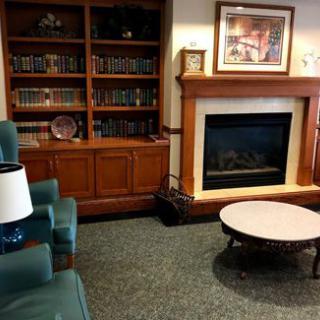
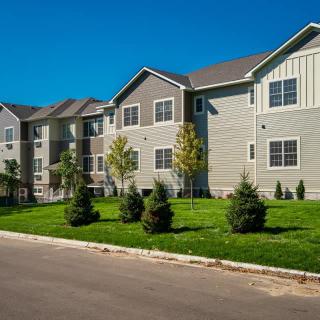
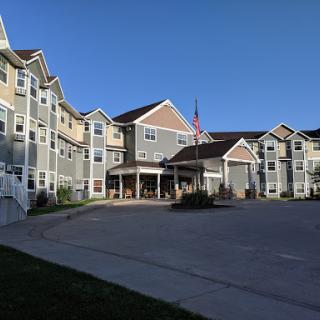
 24/7 supervision in fully furnished homes with restaurant-style dining and a mental wellness program.

 8 Key Indicators That Suggest It May Be Time to Transition from Assisted Living to Skilled Nursing Care
 Vibrant Senior Living: A Comprehensive Guide for Active Older Adults
 When to Transition from Assisted Living to Memory Care: Key Indicators, Steps, and Finding the Right Community