
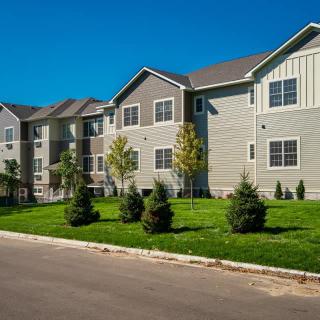
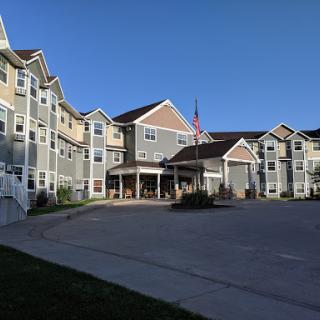
5553 West Fillmore Circle Ne, Fridley, MN 55432
For more information about senior living options: (866) 208-4318
Overall Review of Lakeview Home Health Care
Pros
 North Home Health Care is described as the most professional team the reviewer has dealt with.
- North Home Health Care is recommended to anyone seeking premium care or housing.
- A member of the North Home Health Care team went out of their way to assist the reviewer.
- The service is described as seven-star without a doubt.
Cons
 None found in the provided reviews.
Review
Lakeview Home Health Care in Fridley, Minnesota is best suited for families that demand premium, highly responsive care paired with housing options. This community targets clients who want professional, attentive staff who stand ready to solve problems fast and elevate service beyond the ordinary. When a family needs hands-on support with daily activities, medical oversight, and a living arrangement that supports ongoing independence while ensuring safety, Lakeview presents a compelling value proposition anchored in top-tier staff performance and a service-first mindset.
Those evaluating alternatives should consider factors like cost, staffing consistency, and the level of medical oversight that matches the current needs. If budget constraints are tight or if a more traditional, larger-scale facility experience is required, one with expansive memory care wings, routine programing, or highly standardized workflows, families might look to other options that emphasize lower price points or different care models. Likewise, for residents who require around-the-clock, highly specialized medical supervision in a more formal facility environment, it makes sense to compare several providers to ensure alignment with needs and expectations.
The standout pros at Lakeview are grounded in staff professionalism and a dedication to going the extra mile. The feedback highlights a team described as exceptionally professional and courteous, with personnel who take personal initiative to assist family members. The emphasis on “premium care” signals a level of attentiveness, responsiveness, and problem-solving that can meaningfully reduce stress during transitions and crises. The accompanying housing component, where care and living arrangements are integrated, further reinforces continuity of routine, minimizes transfers, and anchors loved ones in a familiar, supportive setting. In short, the service delivery model appears to prioritize a seamless, high-touch experience that keeps families confident in daily operations.
There are no explicit cons raised in the available feedback, but practical considerations cannot be ignored. Premium care typically comes with a higher price tag, which naturally narrows the pool of prospective residents to those with sustainable funding. The single-review sample also means a limited evidence base; unseen variations in day-to-day staffing, weekend availability, or supervisory oversight could temper expectations if a different team is on duty. Additionally, with a focus on younger, highly professional staff, turnover remains a common reality in home health settings, making it prudent to ask how consistently a family can expect the same caregivers and who provides the ongoing supervision.
The key question becomes how these strengths offset the potential downsides. When the budget allows, the superior level of staff professionalism and the readiness to assist can materially reduce friction, miscommunications, and unmet needs that frequently destabilize care plans elsewhere. The integrated housing option supports continuity, shielding residents from the stress of multiple transitions and facilitating quicker responses to changes in condition. If a strong, dependable leadership presence oversees the care team and ensures continuity of caregivers, the risk of inconsistent service diminishes, making the premium investment more defensible. The combination of premium care and housing can translate into fewer emergency interventions and more predictable daily routines, which is exactly what many families prioritize.
For families weighing onsite investigations, a disciplined decision process pays off. Start by requesting a clear care plan and expected response times, and ask for a named lead caregiver and supervising clinician who can be contacted for updates. Verify licensing, accreditation, and any specialty certifications relevant to the resident’s needs. Tour the space with a focused list of questions about staffing patterns, weekend coverage, and how housing and care coordination integrate in practice. Speak with current families or residents about consistency of care, communication style, and responsiveness. If the profile fits, premium service, highly professional staff, and a housing-inclusive model, the Lakeview option stands out as a practical, capable choice for discerning families. If price sensitivity or a preference for a more traditional, heavily structured facility model dominates, alternatives should be pursued with equal due diligence.
 21 resident community capacity
 Assisted Living
 Beauty salon
 Cable or satellite TV
 Dining room
 Fully furnished
 Garden
 Housekeeping services
 Kitchenette
 Move-in coordination
 Outdoor space
 Restaurant-style dining
 Small library
 Telephone
 Wi-Fi/high-speed internet available
 Minneapolis-St Paul International (13 miles away)
 24-hour call system
 Activities of daily living assistance
 Assistance with bathing
 Assistance with dressing
 Assistance with transfers
 Diabetes diet
 Medication management
 Mental wellness program
 Special dietary restrictions


 Exploring the Path to Senior Living: A Comprehensive Look at Independent Living and Assisted Living
 Is Assisted Living Deductible on Your Taxes? Understanding the Complexities of Assisted Living Expenses and Deductions
 Assisted Living Support for Veterans: A Complete and Detailed Overview