
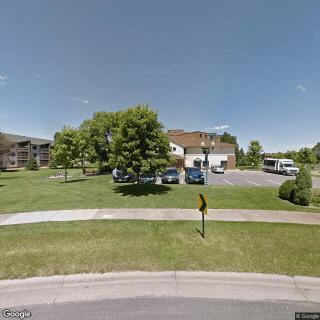
5401 4Th Street Ne, Fridley, MN 55421
For more information about senior living options: (866) 208-4318
Overall Review of Empowerment Healthcare 2
Pros
 Steve does a good job and goes out of his way to help every resident, and he is consistently available when needed.
- Empowerment/Hidden Creek ranks in the top 25% of facilities, according to the reviewer.
- The homes are clean and the caregivers appear to be engaged with the clients.
- The administrative staff are very involved in day-to-day operations and have been a joy to work with.
- The standards they set and the care and concern for the clients' needs are well demonstrated.
- Roger and his team are dedicated and passionate professionals who genuinely care for residents' well-being.
Cons
 The company is deplorable and disregards client care.
- Families are advised to keep their loved ones away from these facilities.
- The standard of care is near inhumane, with mistreatment reported at all levels.
- There are allegations of overbilling, noncompliance, undocumented staff, and outright neglect.
- Employees who report mistreatment are forced to resign due to retaliation.
- The facility is understaffed, lacks proper training, and has unsafe medication practices.
- The organization is profit-driven, paying poorly and cheating employees and clients on housing and staffing.
- Residents have reported assaults and being expelled, with inadequate meals and no advertised activities.
Review
This community is best suited for families that want a hands-on, manager-driven experience and are comfortable operating with tighter staffing margins. The most credible upside centers on visible leadership and caregiver engagement in day-to-day care, paired with a generally clean, well-kept environment. For families who value a responsive on-site administrator and a caregiving team that appears attentive when present, Empowerment Healthcare 2 can feel workable on a budget, especially when compared with higher-priced options that promise more but deliver less observable oversight. It is not a fit for those who require consistently robust staffing, rigorous medication supervision, and predictable daily programming without compromise.
Some reviewers highlight concrete positives that can influence daily life in practical ways. A manager who is described as reliable and accessible can translate into faster problem resolution and steadier communication with families. Caregivers are portrayed as engaged when in the building, and the homes themselves are noted as clean, which matters for comfort and basic safety. Administrative involvement is frequently cited as a stabilizing factor, with leadership apparent in daily operations. Taken together, these elements suggest that, in the right circumstances, residents may experience decent quality of life when staffing alignment and supervision are sufficiently present.
Yet the consensus of multiple accounts paints a troubling contrast that cannot be ignored. Understaffing and uneven training emerge as recurring themes, raising questions about how consistently medications are administered, supervised, and documented. Some staff reports describe a culture where oversight is lax, with residents potentially left to self-administer or manage medications without adequate supervision. Billing practices, employee housing and staffing concerns, and a pattern of reported neglect or mistreatment from various angles further compound the risk calculus. In parallel, incidents of assault, resident displacement, and dissatisfaction with meals and activities point to systemic gaps that undermine trust and long-term safety.
The core tension is whether the observed positives can meaningfully offset the structural shortcomings. A responsive manager and engaged caregivers are valuable, but they cannot fully compensate for a pattern of understaffing and inconsistent medication oversight. Clean facilities and administrative visibility matter, yet they do not erase risks tied to supervision lapses, gaps in training, or inadequate programming. Families must weigh the peace of mind that comes from a visible leadership against the real-world consequences of staff turnover, insufficient supervision, and the potential for unsafe medication practices. In practical terms, the positives keep this option on the table, but only for families who are highly vigilant and prepared to demand ongoing, proactive oversight.
For families seriously considering Empowerment Healthcare 2, a disciplined due-diligence routine is essential. Schedule unannounced visits during various shifts, request to observe medication administration and meal service, and probe for current staffing ratios, turnover rates, and training records. Ask for the exact care plan structure, how emergencies are handled, and what metrics exist to measure resident well-being beyond smiles and clean rooms. Speak with current residents and families about day-to-day safety, activity options, and whether meals meet nutritional expectations. Review financial practices, including any billing history and the transparency of charges. If these checks raise questions or if the answer to any critical risk area feels abstract, it is prudent to explore alternatives with calmer risk profiles and stronger documented safeguards.
In the end, Empowerment Healthcare 2 serves a very particular niche: it can work for families who prioritize a visible manager, a generally clean setting, and staff engagement within a cost-conscious framework, provided there is unwavering diligence and ongoing oversight from families or guardians. For anyone whose top priorities are reliable staffing, airtight medication management, robust daily programming, and transparent, well-regulated operations, the cautions outweigh the upsides. A candid decision favors exploring other communities with proven staffing consistency and stronger safety safeguards, while keeping Empowerment Healthcare 2 as a backup option only after exhaustive verification of current practices and guarantees.
 7 resident community capacity
 Assisted Living
 Cable or satellite TV
 Dining room
 Fully furnished
 Garden
 Housekeeping services
 Move-in coordination
 Outdoor space
 Telephone
 Wi-Fi/high-speed internet available
 Minneapolis-St Paul International (13 miles away)
 24-hour supervision
 Activities of daily living assistance
 Assistance with bathing
 Assistance with dressing
 Assistance with transfers
 Diabetes diet
 Meal preparation and service
 Medication management
 Special dietary restrictions
 Transportation arrangement (medical)
 Transportation to doctors appointments


 Assisted Living Expenses and Long-Term Care Insurance: A Comprehensive Exploration
 Securing Financial Support for Assisted Living: A Comprehensive Overview
 Social Security Benefits and Assisted Living: Navigating Options Across the U.S.