
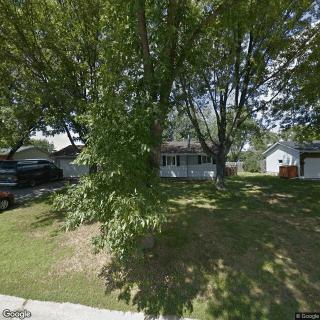
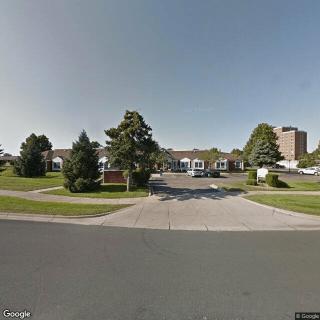
4609 Birch Grove Circle, Brooklyn Park, MN 55443
For more information about senior living options: (866) 208-4318
Overall Review of Horizon Home Care Services I
Pros
 Horizon Health came to the rescue to help Mom regain her independence in the comfort of her own home.
- The home care staff took time to create a plan that fit her needs.
- They provided Mom with emotional and skilled support two days a week for an additional seven months.
- The daughter was able to spend time with Mom doing things they both enjoy.
- This arrangement helped Mom retain her independence while allowing the family to enjoy meaningful time together.
Review
Horizon Home Care Services I is best suited for families confronting a post-acute transition, where the senior’s goal is to regain independence in the familiarity of home and where a thoughtfully tailored plan can deliver both skilled support and meaningful emotional encouragement. The arrangement described centers on designing a care plan that fits the individual’s needs rather than forcing a cookie-cutter schedule. When the objective is to move from hospital or rehab back toward daily autonomy while staying anchored in home, this agency presents a practical, doable path.
Families should consider alternatives if 24/7 supervision or intensive daily medical therapy is non-negotiable. For seniors who require continuous monitoring, substantial mobility support, or the social and programmatic depth of a community setting, a traditional assisted living or nursing facility may be more appropriate. In-home services that offer more frequent visits or round-the-clock care can be worth pursuing for those with complex health needs, safety concerns, or a preference for constant caregiving presence. Geography and scheduling constraints may also push some families toward providers with more flexible or broader coverage in the area.
The strongest advantages revolve around a personalized, home-centered approach. The reviewer notes a plan built specifically to fit the mother’s needs, with emotional and skilled support delivered regularly for an extended period. That combination matters: skilled assistance ensures essential tasks and safety checks are handled, while emotional support helps sustain motivation and mood during recovery. The home setting themselves reinforces comfort and autonomy, reducing the emotional toll of institutional moves and enabling a daughter to participate in activities with her mother rather than operate as a full-time caregiver. The seven-month horizon suggests a real, progressive plan rather than a brief, reactive visit schedule.
Where a potential drawback appears, it’s primarily around intensity and cadence. Two visits per week may be enough for steady progress in many cases, but it also leaves room for gaps if a setback occurs or if greater daily support becomes necessary. The account does not indicate 24/7 availability, nor frequent, daily hands-on care, which means safety nets could be thinner than some families require. There is also no detail on cost, insurance acceptance, or how care coordination is managed across weeks and changing needs. In short, the model trades constant supervision for focused, goal-oriented visits, an arrangement that works well for some but not all.
Nonetheless, the pros offset the main tradeoffs when the priority is preserving independence and family time. A tailored care plan reduces the risk of generic, one-size-fits-all approaches and increases the likelihood that changes in condition are addressed promptly. Emotional support from caregivers complements skilled tasks, helping seniors stay motivated and engaged rather than isolated. The home-based framework minimizes disruption to routines and keeps cherished activities accessible, which in turn sustains a higher quality of life and reduces caregiver burnout for family members who step back from constant hands-on duties.
For decision-makers in Brooklyn Park evaluating Horizon Home Care Services I, the call is clear. This provider suits families seeking a pragmatic, home-first route to recovery after hospitalization or rehab, with a clear emphasis on personalized planning, skilled care, and emotional support that directly frees up family time. It is not the answer for those needing continuous, around-the-clock oversight or the social, structured offerings of a residential community. If the situation calls for relentless daily supervision or more intensive medical programming, alternatives should be pursued. Otherwise, this model offers a disciplined, humane way to balance independence, safety, and personal connection as recovery unfolds at home.
 4 resident community capacity
 Assisted Living
 Cable or satellite TV
 Dining room
 Fully furnished
 Garden
 Housekeeping services
 Move-in coordination
 Outdoor space
 Telephone
 Wi-Fi/high-speed internet available
 Minneapolis-St Paul International (16 miles away)
 24-hour supervision
 Activities of daily living assistance
 Assistance with bathing
 Assistance with dressing
 Assistance with transfers
 Diabetes diet
 Meal preparation and service
 Medication management
 Special dietary restrictions
 Transportation arrangement (medical)
 Transportation to doctors appointments



 When to Transition from Assisted Living to Memory Care: Key Indicators, Steps, and Finding the Right Community
 Assisted Living and Memory Care: Understanding Their Core Differences
 Beyond the Bingo Hall: 50+ Enriching Activities for Seniors in Assisted Living