
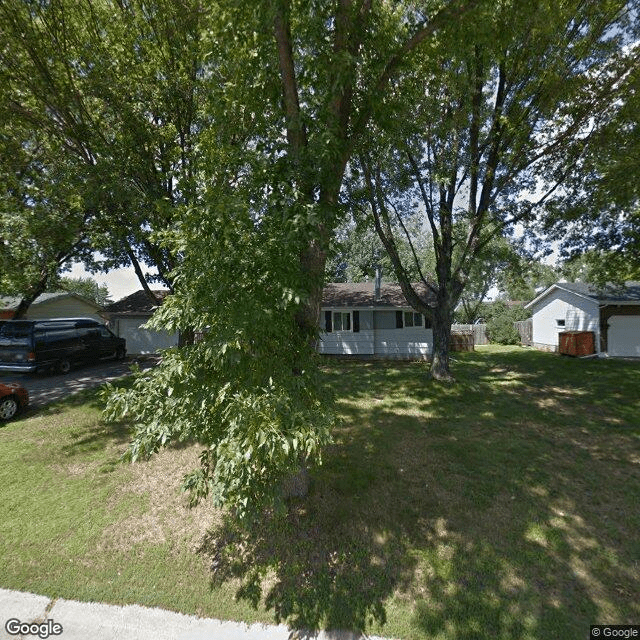
4400 82nd Avenue North, Brooklyn Park, MN 55443
To contact a resident: (952) 848-0935
For more information about senior living options: (866) 208-4318
Overall Review of Empowerment Health Care Iyke's
Pros
 The manager Steve does a good job.
- Steve goes out of his way to help every resident and is always there when they need him.
- The homes are clean, and the caregivers appear to be engaged with the clients.
- The administrative staff are very involved with the day-to-day operations and have been a joy to work with; their standards and care for the clients' needs are well demonstrated.
- Roger and his team are working hard to deliver badly needed assisted living services for the mentally ill, and they are comprised of dedicated and passionate professionals who genuinely care for residents' well-being.
- Empowerment/Hidden Creek ranks in the top 25%.
Cons
 The company is described as the most deplorable in client care, with widespread mistreatment of residents and a lack of concern from leadership.
- The standard of care is said to be close to inhumane, and the facility is urged to stay clear.
- Allegations include overbilling, noncompliance, undocumented employees, and outright neglect.
- The reviewer had to resign after reporting mistreatment, suggesting retaliation and a toxic environment.
- The facility is labeled understaffed with no training, and medications are handed out without proper supervision.
- The company is accused of not filing tax returns correctly, paying poorly, and cheating employees and clients on housing and staffing.
- It is described as cheap and understaffed, with residents sometimes assaulted, not fed properly, and with activities not matching what is advertised.
Review
Empowerment Health Care Iyke's in Brooklyn Park, MN is best suited for families that want a hands-on, manager-led environment where homes feel clean and staff interactions appear engaged. It appeals to residents who can operate with close supervision and rely on practical, day-to-day support rather than a highly structured programming schedule. The setting may also attract families seeking a more affordable option who are prepared to take an active role in oversight and advocate for consistent quality. In short, the facility offers a tangible caregiving environment with visible leadership presence, but it requires persistent involvement from families to address gaps that may arise.
Those who should consider alternatives include residents with complex medical needs requiring reliable medication management, continuous monitoring, and robust staffing with low turnover. Given multiple reports of understaffing and insufficient training, care consistency becomes suspect, especially during shifts when fewer hands are available. Families who cannot commit to frequent on-site visits or external oversight may find the risk unacceptable. Additionally, anyone prioritizing predictable meals, structured daily activities, and clear governance should explore other communities that demonstrate more reliable processes and stronger safety records.
On the upside, the leadership presence is repeatedly singled out as a meaningful strength. The manager is described as responsive, and staff appear to be engaged with residents. Cleanliness and a home-like atmosphere reinforce a sense of order, and administrative involvement in daily operations tends to translate into more immediate attention to concerns. For families who value visible accountability and a care culture that emphasizes direct caregiver engagement, these elements create a credible baseline of daily experience that can be reassuring in the short term.
Yet the downsides are substantial and hard to overlook. Systemic issues, understaffing, limited training, inconsistent medication oversight, and reports of how medication is handled, pose real safety risks. Several reviews allege billing irregularities, undocumented staff, and neglect, painting a picture of a facility where profit pressures may trump resident welfare. There are also accounts of residents not receiving adequate meals, a lack of meaningful activities, and a volatile environment that has led to dislocation or eviction of residents. Taken together, these red flags suggest a care model that is error-prone and insufficiently governed.
The key pros, while meaningful, do not sufficiently offset the major cons. A hands-on manager and a generally clean setting can support day-to-day functioning, but they cannot neutralize persistent staffing shortages, gaps in training, and serious safety concerns. The tension between favorable surface impressions and troubling systemic reports creates a volatile risk profile. Prospective families should treat positive anecdotes about atmosphere and engagement as conditional signals rather than guarantees, and should demand concrete safeguards to verify that care quality remains consistent across shifts and days.
Bottom-line guidance: approach Empowerment Health Care Iyke's as a facility to be tested with safeguards rather than a guaranteed good fit. If chosen, insist on explicit care plans, rigorous medication administration protocols, real-time oversight, and transparent staffing records. Establish a formal escalation process for any incident and schedule frequent, unannounced visits to monitor care delivery. For many families, stronger options with demonstrated track records of staffing stability, patient safety, and consistent meal and activity programs will be preferable, especially for residents with higher medical needs. If the budget is compelling but risk tolerance is moderate, the facility can work only with vigilant, ongoing family involvement and rigorous accountability measures.
 Board and Care Home
 Minneapolis-St Paul International (17 miles away)


 Exploring Nonmedical Home Care: Understanding Services, Costs, and Financial Approaches
 Engaging Brain Games and Innovative Apps to Keep Senior Minds Active
 Effective Strategies for Keeping Seniors' Minds Active: A Deep Dive into Brain Games and Apps