
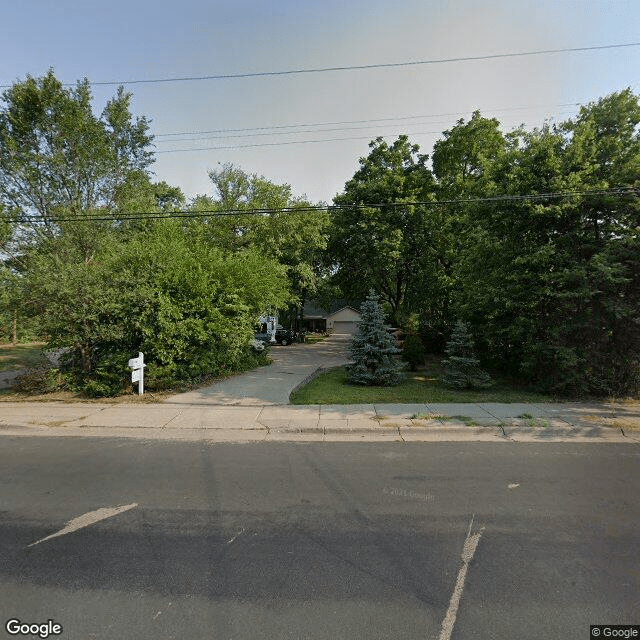
312 W. 95th St, Bloomington, MN 55420
To contact a resident: (612) 702-8801
For more information about senior living options: (866) 208-4318
Breck Home Residential Care Center, LLC Costs & Pricing
Breck Home Residential Care Center, LLC offers competitive pricing for its accommodations, reflecting the higher-end services and amenities it provides. The monthly cost for a semi-private room is $6,300, which significantly exceeds both the Hennepin County average of $4,356 and the state average of $4,051. For those seeking more privacy, a private room at Breck Home costs $6,600, compared to Hennepin County's average of $5,580 and Minnesota's statewide average of $5,090. These figures underscore Breck Home's positioning in the market as a premium choice in residential care - catering to individuals who prioritize exceptional care and an enriching living environment over budget constraints.
| Floor plans | Breck Home Residential Care Center, LLC | Hennepin County | Minnesota |
|---|---|---|---|
| Semi-Private | $6,300 | $4,356 | $4,051 |
| Private | $6,600 | $5,580 | $5,090 |
Senior living communities with a similar price nearby
-
from -$300 / mo
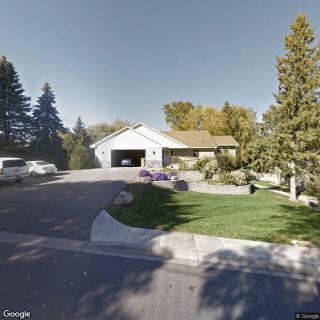
Legacy Care Home
$6,000 / month10.8 miles away -
from +$1200 / mo
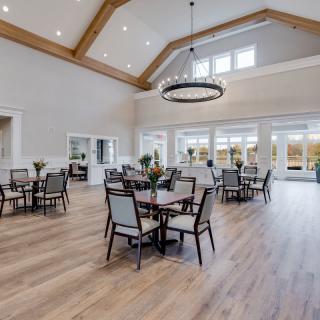
Rivers of Life Memory Care/Enhanced Assisted Living
$7,500 / month7.0 miles away -
from -$600 / mo
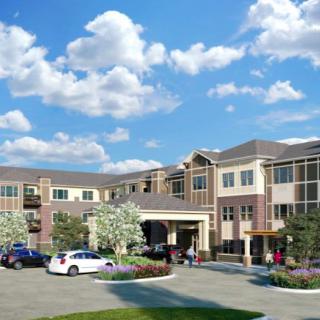
Cherrywood Pointe Of Plymouth
$5,700 to $9,450 / month18.1 miles away -
from +$1000 / mo
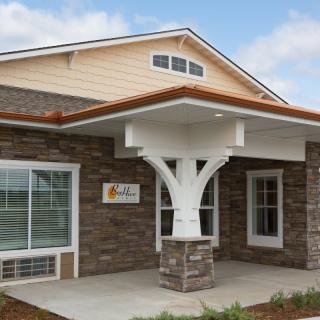
Beehive Homes of Lakeville
$7,300 / month12.2 miles away -
from +$900 / mo

The Moments Of Lakeville
$7,200 / month8.1 miles away
Overall Review of Breck Home Residential Care Center, LLC
Pros
 The caregivers did a wonderful job caring for residents during their last months of life.
- The staff are kind, expert, and compassionate, taking their work very seriously.
- The care home is an amazing place for 24/7 care, with compassionate and dedicated staff.
- The home is second to none, with loving, kind, and compassionate people.
- The homes are well staffed and led by a wonderful RN owner who is hands-on and involved in patient care.
- Fresh meals are cooked daily on the premises, and the homes are well run in a small, intimate setting.
- The staff show love and compassion toward senior residents, including those with dementia.
- The home is a lovely place to live.
Cons
 The staff bullied the reviewer.
- They do not like African Americans.
- The reviewer was bullied out of the business, with no explanation given for what was done wrong.
- The owner claimed things were not working out and provided no details.
- A lead African American staff member allegedly said Jenny was rich and would take care of her if she was helped.
- A staff member made racist remarks about white people, suggesting negative stereotypes about their origin and character.
- The reviewer warned African Americans not to waste their time due to the bad treatment.
Review
Breck Home Residential Care Center is best suited for families seeking an intimate, caregiver-led setting where seniors receive constant, personalized attention. The operation comprises two small Bloomington homes, each designed to feel like a home rather than a campus, with only about six residents per residence. The model is led by an owner-operator RN who is hands-on in patient care, signaling high standards, strong clinical oversight, and a focus on continuity of care. For families prioritizing warmth, direct accountability, and a quiet, home-like environment for dementia care or end-of-life support, this community offers a compelling fit.
However, this choice is not for everyone. One review raises a serious concern about staff culture and possible discrimination, underscoring the importance of verifying current inclusivity policies, grievance processes, and direct conversations with the care team and residents. The two-home, small-scale structure also means a more limited bed count and fewer on-site programming options compared with larger facilities. Families who require a broad array of activities, extensive therapy offerings, or a campus with extensive resources may want to consider alternatives that provide more expansive services and larger staffing pools.
The strongest pro, the intimate, hands-on care, offsets many potential downsides. The staff is repeatedly described as kind, expert, and deeply compassionate, with a leadership style that keeps care standards high and visible. Fresh, home-cooked meals, predictable routines, and a culture of genuine warmth contribute to a sense of safety and dignity for residents, which is especially meaningful for dementia care and end-of-life experiences. These factors, combined with the small size, foster strong caregiver-resident relationships and transparent communication with families, an advantage not easily replicated in larger operations.
The two-home setup also supports continuity and personalized attention that families consistently praise. Because staff know residents well and family interactions are likely to be frequent and meaningful, the care plan can remain aligned with shifting needs without the chaos that sometimes accompanies bigger centers. The staff’s hands-on approach, backed by the owner’s high standards, often translates into careful monitoring, quicker adjustments to care, and a level of accountability that families value when navigating serious health concerns.
Yet the cons tied to scale and the serious but lone negative review cannot be dismissed. Limited capacity means openings may not align with urgent move-ins, and wait times or placement delays can occur. The smaller operation naturally provides fewer social programs and on-site activities than larger communities, which may matter for residents who crave a busy calendar or diverse engagement opportunities. Prospective families should test-drive the culture in person: observe interactions during meals, confirm how staff are trained on inclusion and conflict resolution, and ask about how concerns are handled and tracked over time. The existence of a troubling review reinforces the need for direct conversations with current families and staff before committing.
Ultimately, Breck Home Residential Care Center stands as a practical, highly personalized option for families prioritizing warmth, direct clinical oversight, and a home-like atmosphere, particularly for dementia-focused and end-of-life care. It is less suitable for those seeking a broad, event-rich program, more extensive medical services, or a facility with a larger community footprint. The decision hinges on values: if continuity of care, small-home intimacy, and a highly hands-on owner-operator model align with what a family needs, this community warrants serious consideration and a structured visit to confirm fit, culture, and ongoing quality.
 Board and Care Home
 Cats allowed
 Dogs allowed
 Activities on-site
 Indoor common areas
 Outdoor common areas
 Private
 Wheelchair accessible showers
 Minneapolis-St Paul International (5 miles away)
 Diabetic care
 High acuity care
 Incontinence care
 Meals provided



 Comprehensive Guide to Medicare Coverage for Hospice Care
 Caring for Those Who Care: Recognizing, Understanding, and Overcoming Caregiver Burnout
 Caregiver Exhaustion: Recognizing the Signs and Restoring Your Well-Being