
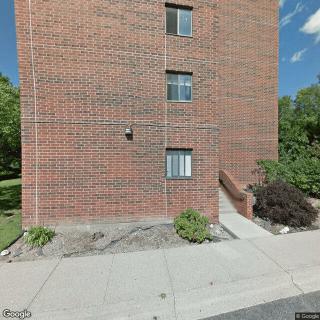
1404 Kentucky Avenue South, St Louis Park, MN 55426
For more information about senior living options: (866) 208-4318
Overall Review of Apple Group Home
Pros
 The staff genuinely cares for residents' well-being and doesn’t push for anything else.
- Residents feel like the staff are family.
- The facility provides stability for those in need of a temporary group home.
- The Villa of Bryn Mawr is a caring and supportive place.
Cons
 They were homeless two years ago.
- They were stuck at the Villa of Bryn Mawr for a year.
Review
Apple Group Home in St Louis Park is best suited for adults who need a short-term, stabilization-focused living arrangement after a crisis or transitional period. The resident experiences indicate a setting that prioritizes well-being over pressure, with staff who actively support daily routines and personal safety rather than pushing toward premature moves or upsells. When recovery from homelessness or discharge from a more intensive setting is the immediate objective, Apple Group Home acts as a practical bridge, providing predictable shelter, basic care, and a sense of belonging that can reset someone’s trajectory. The emphasis on humane, steady support makes it a natural choice for individuals seeking a humane fallback while figuring out next steps, whether housing, benefits, or ongoing support networks.
Those seeking long-term independence, robust medical oversight, or specialized care beyond basic daily living should consider alternatives. The review signals a temporary, transitional role rather than an extensive care campus: a place to stabilize rather than a center for long-term rehab, memory care, or complex clinical needs. Prospective residents will want clarity on length of stay, cost, and the scope of services, and may prefer communities with deeper clinical teams, structured programming, or larger amenities if the goal is ongoing residence rather than a temporary stopgap.
The standout pro is the staff’s genuine commitment to residents’ well-being. The tone of care described, staff who treat residents like family and resist pressuring for unnecessary, additional services, provides a rare sense of safety during a vulnerable transition. That environment lowers anxiety and builds trust, which is critical when past crises or homelessness are part of the backstory. In practical terms, such an approach reduces the likelihood of rushed placements and supports steady routines, which are essential for stabilizing housing, food security, and daily functioning.
Another important strength is the emotional support embedded in everyday interactions. When staff are described as caring and present, that translates into consistent check-ins, reliable response times, and a predictable daily rhythm. For someone who has endured instability, this creates a foundation for small but meaningful improvements: establishing personal hygiene routines, attending meals, and engaging in light activities without fear of coercive sales tactics or unexplained demands. The 'temporary' label, properly understood, becomes a feature rather than a flaw, a focused opportunity to reset before planning a move to something longer-term.
Because the available information rests on a single positive account, caution is warranted about overgeneralizing. The absence of detail about medical supervision, meal programs, activity schedules, or housing navigation services means prospective residents should verify what is included and what is not. However, the core strength, accurate, compassionate care that centers stability, offsets many potential downsides for individuals who prioritize a calm, transition-oriented environment over advanced clinical provisions. For those with higher medical needs or a desire for continuous, long-range housing planning, this setting should be weighed against more comprehensive options.
When evaluating Apple Group Home, the practical question is whether stabilization and a sense of family within a small, low-pressure environment align with current goals. Visiting in person, requesting a detailed list of services, costs, length-of-stay policies, and transition planning support will yield clear comparisons with alternatives. The strongest conclusion is that this community offers a credible, compassionate pathway for adults emerging from crisis who want safety, dignity, and gradual progress without pressure. For families prioritizing long-term independence or intensive medical care, alternatives should be explored, but for those who value steadiness, trust, and human connection during a fragile moment, Apple Group Home stands out as a trustworthy starting point.
 21 resident community capacity
 Assisted Living
 Beauty salon
 Cable or satellite TV
 Dining room
 Fully furnished
 Garden
 Housekeeping services
 Kitchenette
 Move-in coordination
 Outdoor space
 Restaurant-style dining
 Small library
 Telephone
 Wi-Fi/high-speed internet available
 Minneapolis-St Paul International (10 miles away)
 24-hour call system
 Activities of daily living assistance
 Assistance with bathing
 Assistance with dressing
 Assistance with transfers
 Diabetes diet
 Medication management
 Mental wellness program
 Special dietary restrictions



 Beyond the Bingo Hall: 50+ Enriching Activities for Seniors in Assisted Living
 Understanding the Distinctions: Assisted Living and Memory Care Explained
 Guiding Elderly Parents Who Refuse Assisted Living: 6 Practical Steps