
115 9Th Street North West Ste 120, Milaca, MN 56353
For more information about senior living options: (866) 208-4318
Overall Review of Adult Care Services Of Mn
Pros
 The residents and staff at this location are absolutely amazing.
- Wonderful place with positive energy and a staff that cares deeply for their residents!
Cons
 Poor Internet service.
- The owner is horrible and there is active fraud and neglect going on.
- Potential employees should run in the opposite direction.
Review
Adult Care Services Of Mn in Milaca is best suited for seniors who value a warm, neighborly atmosphere and consistently caring frontline staff, and for families willing to tolerate potential governance uncertainties. The on-the-floor experience is described as engaging and genuine: residents and many caregivers form strong, everyday connections, and the energy in the community can feel uplifting. This is a setting where personal attention from caregivers and a sense of belonging often trump more institutional or clinical vibes. Those who prioritize a homey, people-first environment over highly polished systems will likely find the daily interactions meaningful and comforting.
Conversely, families that insist on transparent leadership, robust governance, and demonstrable accountability should consider alternatives. The combination of a small, owner-led operation with noted management concerns raises questions about oversight and ethical practices that simply cannot be ignored. If the decision hinges on rigorous risk management, regulatory reliability, or consistent administrative behavior, other options with clearer reputational and regulatory track records will be safer bets. For anyone relying on dependable internet access for telehealth, family updates, or remote monitoring, this facility’s connectivity weaknesses also merit scrutiny.
The strongest positives center on people: staff who care deeply and residents who respond with positivity create a palpable sense of community. The praise directed at frontline caregivers highlights a core strength, hands-on support, compassionate communication, and day-to-day attentiveness that contribute to quality-of-life improvements. This warmth can offset some frustrations typical of smaller operations, especially for those who prioritize relational care and social engagement. Yet these strengths do not automatically resolve governance concerns, and the emotional benefits must be weighed against the potential implications of management practices that have been criticized by reviewers.
On the flip side, the most serious red flags come from governance and operations. One reviewer describes the owner in very negative terms and raises explicit allegations of fraud and neglect, urging potential staff or residents to “run the opposite way.” While it is prudent to take individual claims seriously, such warnings demand careful, independent verification through state regulatory records, licensing histories, and direct conversations with current residents and families. Compounding this is a consistent signal that administrative reliability may be uneven. The facility’s poor internet service is a concrete, practical drawback that can hamper telehealth, family communication, and access to digital care planning, an issue families must factor into day-to-day care, especially for residents with medical or cognitive needs.
For families weighing the decision, practical next steps matter as much as sentiment. Verify regulatory compliance history with the Minnesota Department of Health and any applicable long-term care oversight bodies; review any open or closed investigations, sanctions, or patterns in survey deficiencies. Speak with current residents and multiple families about their experiences beyond the happy-face anecdotes, and request recent care plans, staffing schedules, and incident reports. Inquire about how the facility handles complaints, what governance or owner oversight looks like in practice, and what contingency plans exist if concerns surface. If telehealth or remote family involvement is important, assess whether new internet upgrades or alternative connectivity options are in place or planned.
The bottom line is clear: this community delivers undeniable warmth and attentiveness on the floor, which makes it a compelling choice for families prioritizing daily human connection and a lively resident culture. However, significant governance concerns and alleged malpractices, paired with unreliable connectivity, tilt the risk balance toward caution. For families with the capacity to conduct thorough due diligence and to maintain vigilant oversight, there may be a path forward that preserves the on-site care strengths while actively monitoring leadership quality. For risk-averse families or those prioritizing transparent, consistently ethical governance and reliable technology, it is prudent to consider stronger-regulated options first and use those findings to narrow the field.
 21 resident community capacity
 Assisted Living
 Beauty salon
 Cable or satellite TV
 Dining room
 Fully furnished
 Garden
 Housekeeping services
 Kitchenette
 Move-in coordination
 Outdoor space
 Telephone
 Wi-Fi/high-speed internet available
 St Cloud Regional (25 miles away)
 24-hour call system
 Activities of daily living assistance
 Assistance with bathing
 Assistance with dressing
 Assistance with transfers
 Diabetes diet
 Meal preparation and service
 Medication management
 Mental wellness program
 Special dietary restrictions
 Transportation arrangement (medical)
 Transportation to doctors appointments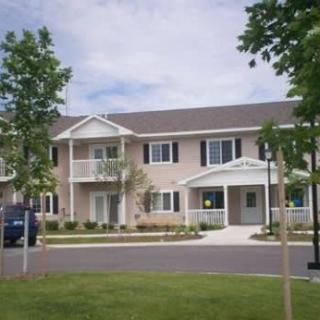




 8 Key Indicators That Suggest It May Be Time to Transition from Assisted Living to Skilled Nursing Care
 Vibrant Senior Living: A Comprehensive Guide for Active Older Adults
 When to Transition from Assisted Living to Memory Care: Key Indicators, Steps, and Finding the Right Community