Highland Senior Living offers competitive pricing for its accommodations when compared to both Morrison County and the broader Minnesota market. For a one-bedroom unit, residents can expect to pay $2,775, which is notably lower than the county average of $3,268 and closely aligns with the state average of $2,893. The two-bedroom option at Highland is priced at $3,000, slightly exceeding the county's rate of $2,660 but remaining below the statewide average of $2,955. However, the studio units are priced higher at $3,700 compared to both Morrison County's average of $2,570 and Minnesota's average of $3,617. This pricing structure indicates that while some options at Highland may be more premium-priced relative to local averages, overall, it provides a compelling value proposition in terms of cost for senior living arrangements.
Floor plans
Highland Senior Living
Morrison County
Minnesota
1 Bedroom
$2,775
$3,268
$2,893
2 Bedrooms
$3,000
$2,660
$2,955
Studio
$3,700
$2,570
$3,617
Memory care communities with a similar price nearby
Residents describe strong dementia-focused care in the memory care area.
One reviewer describes a parent’s dementia journey in the memory care area, saying the care was beyond excellent and the staff were kind. Another notes that memory care is available and frames it as an important fit for short-term memory trouble. The community also lists specialized memory care programming and dementia-focused supports, including related waivers and medication and meal support.
common9 reviews mention this
Staff feel family-like and responsive
The staff are repeatedly described as caring, friendly, and quick to respond.
Multiple reviews highlight staff kindness and responsiveness, including feeling that requests and questions are handled right away. Several reviewers also describe the experience as having the feel of family, not just a facility. Care services on the offering list include assistance with daily activities, medication management, and coordination with health care providers, which aligns with the “well taken care of” theme in reviews.
common4 reviews mention this
Meals and menu variety impress
Meals come up often, with residents praising menus and special meal handling.
Reviews describe excellent meals and menu variety, including a pretty big selection and special meals for residents. One reviewer calls out dining experiences like trying food at the coffee shop and notes food was really wonderful. The community’s dining offerings include meals provided along with special dietary restrictions, including diabetes diet support, matching what residents bring up about individualized eating needs.
common4 reviews mention this
Daily activities are part of life
Daily activities and structured check-ins are repeatedly mentioned by reviewers.
Several reviewers describe daily activities and a well-organized routine, including daily check-ins that keep residents engaged. One review mentions planned activities ranging from films to church, while another specifically highlights day-to-day support needs handled with care. The community also lists scheduled daily activities and a mix of on-site and off-site activity options, which fits the themes residents mention.
common6 reviews mention this
Home-like, clean spaces with privacy
Reviews frequently mention clean, comfortable apartments that feel home-like.
Multiple reviews describe the building and rooms as clean and fresh, with apartments feeling like home and options for residents to socialize when they choose. Others describe comfortable common areas—like a coffee shop—and note private rooms that are spacious and easy to navigate. One review also contrasts the exterior as homey rather than motel-like, reinforcing the overall “pleasant, well kept” feel that comes through across visits and experiences.
How we summarize
Counts show how many written reviews mention each theme; a review can touch several themes, and only frequently mentioned themes are displayed.
Features
Housing
21 resident community capacity
Types of Care
Assisted Living
Memory Care
Pets
Cats allowed
Dogs allowed
Amenities
Activities off-site
Activities on-site
Bath tubs
Beautician on-site
Beauty salon
Cable or satellite TV
Devotional services on-site
Dining room
Fully furnished
Garden
Housekeeping services
Indoor common areas
Kitchenette
Move-in coordination
Outdoor common areas
Outdoor space
Respite or short term stays offered
Telephone
Wheelchair accessible showers
Wi-Fi/high-speed internet available
Care Services
24-hour call system
24-hour supervision
Activities of daily living assistance
Assistance with bathing
Assistance with dressing
Assistance with transfers
Coordination with health care providers
Dementia waiver
Diabetes diet
Diabetic care
Hospice waiver
Incontinence care
Meal preparation and service
Medication management
Mental wellness program
Mild cognitive impairment
Special dietary restrictions
Specialized memory care programming
Transportation arrangement (medical)
Transportation to doctors appointments
Dining
Diabetes diet
Meals provided
Special dietary restrictions
Activities
Activities off-site
Activities on-site
Community-sponsored activities
Devotional activities on-site
Scheduled daily activities
Nearby Places of Interest
This part of Little Falls, Minnesota offers a convenient and accessible location for senior living, with a variety of amenities and services in close proximity. There are several pharmacies nearby such as Walgreens and Coborn's Pharmacy, making it easy to access medication and healthcare needs. Additionally, there are numerous cafes and restaurants within walking distance, providing options for dining out or grabbing a quick bite to eat. For medical care, there are several physicians' offices and hospitals nearby including St Cloud Hospital and CHI St. Gabriel's Health. The area also offers recreational opportunities with parks like Maple Island Park and Charles A. Lindbergh State Park nearby for leisurely walks or outdoor activities. Overall, this neighborhood provides a mix of convenience and accessibility for seniors looking to settle in the Little Falls area.
Pharmacies
Walgreens (0.1 miles)
Coborn's Pharmacy (0.2 miles)
Thrifty White Pharmacy (11.7 miles)
Cafes
Caribou Coffee (0.1 miles)
Reality Roasters Coffee Company (0.7 miles)
W Side Cafe (5.8 miles)
The Coffee Haus (11.6 miles)
Uncle B's Cafe & Catering (14.8 miles)
Old Creamery Cafe (16.6 miles)
BoHo Cafe (17.6 miles)
Restaurants
Little Fiesta (0.2 miles)
Subway (0.2 miles)
Burger King (0.2 miles)
Perkins Restaurant and Bakery (0.4 miles)
Arby's (0.4 miles)
Taco John's (0.5 miles)
KFC (0.5 miles)
Places of Worship
St Mary's Church (0.6 miles)
St Mary's-Religious Education Office (0.6 miles)
Little Falls Alliance Church (0.9 miles)
Franciscan Sisters (1.1 miles)
First United Church (1.2 miles)
St Mary's Parish (1.2 miles)
Our Lady Of Lourdes Catholic Church (1.2 miles)
Physicians
Vision Cents Optical (0.7 miles)
Oral & Maxillofacial Surgery (0.7 miles)
Family Medical Center - Little Falls (1 miles)
Asnis, Maxine S, Md - Family Medical Center (1 miles)
Highland Senior Living offers competitive pricing for its accommodations when compared to both Morrison County and the broader Minnesota market. For a one-bedroom unit, residents can expect to pay $2,775, which is notably lower than the county average of $3,268 and closely aligns with the state average of $2,893. The two-bedroom option at Highland is priced at $3,000, slightly exceeding the county's rate of $2,660 but remaining below the statewide average of $2,955. However, the studio units are priced higher at $3,700 compared to both Morrison County's average of $2,570 and Minnesota's average of $3,617. This pricing structure indicates that while some options at Highland may be more premium-priced relative to local averages, overall, it provides a compelling value proposition in terms of cost for senior living arrangements.
The array of services offered by Highland Senior Living is integral to enhancing the quality of life for residents with dementia or Alzheimer's disease. Assistance with dressing and bathing promotes personal hygiene and dignity, while meal preparation and service ensure that nutritional needs are met, catering to specific dietary requirements associated with cognitive decline. Medication management mitigates risks related to polypharmacy and ensures timely administration, which is crucial for maintaining health. Transportation arrangements facilitate access to medical appointments, and coordination with healthcare providers ensures comprehensive care planning. Activities of daily living assistance supports independence in a safe manner, while 24-hour supervision provides necessary oversight and reassurance for both residents and their families. Specialized memory care programming addresses the unique needs of individuals at various stages of cognitive impairment, enhanced by mental wellness programs that promote engagement and emotional stability. Additionally, incontinence care offers comfort and dignity in a sensitive manner, thereby alleviating stressors often related to memory loss challenges. Together, these features create an environment conducive to safety, well-being, and purposeful living.
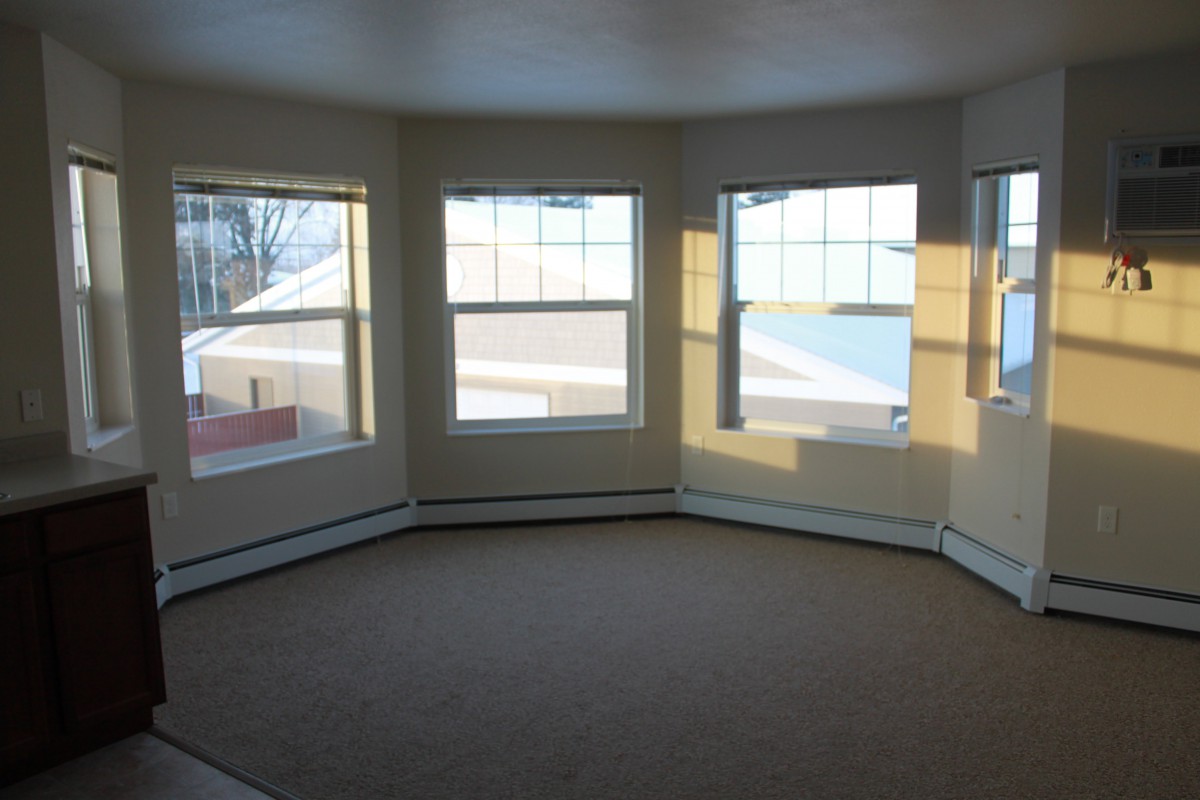
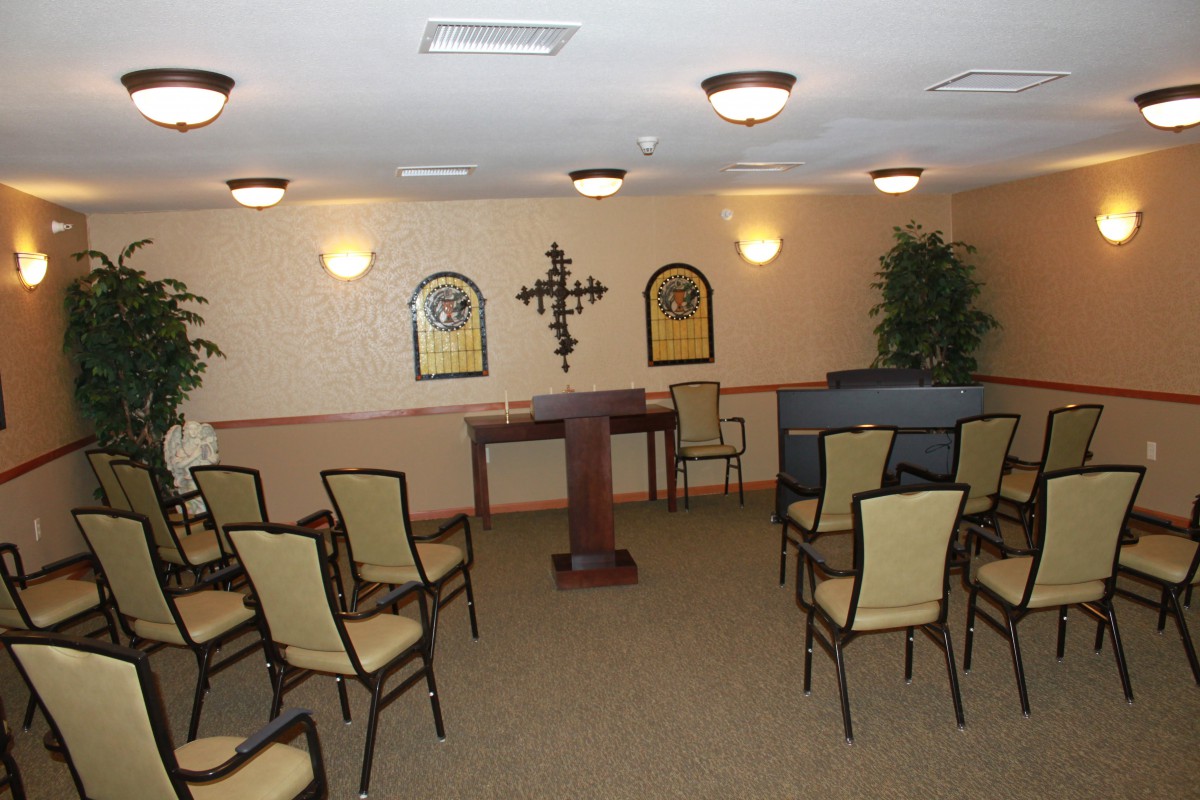
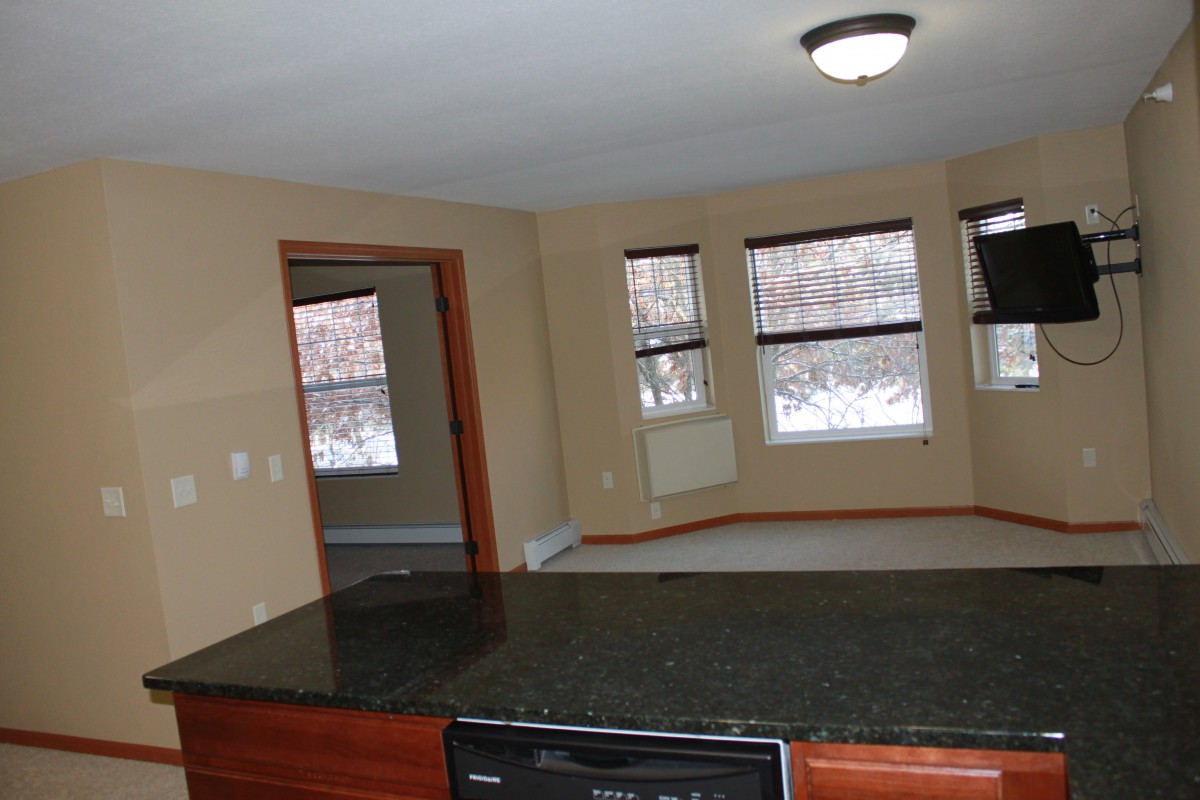
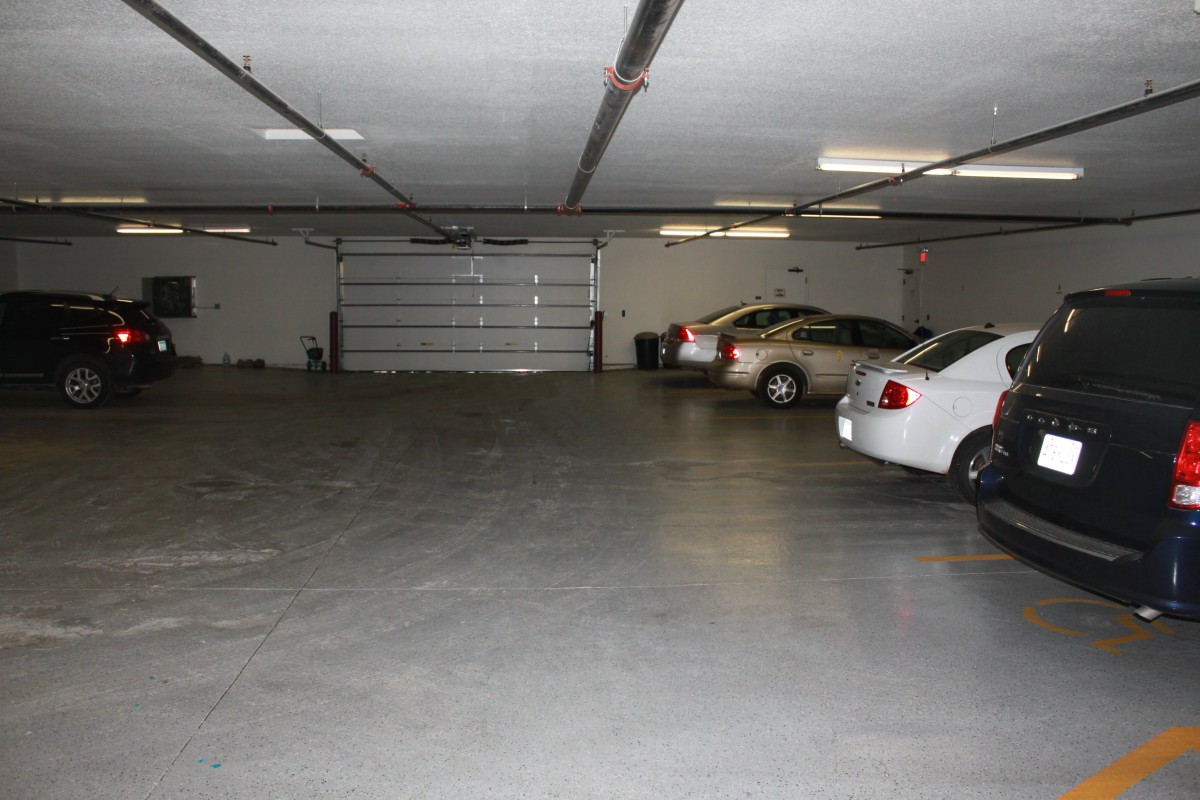
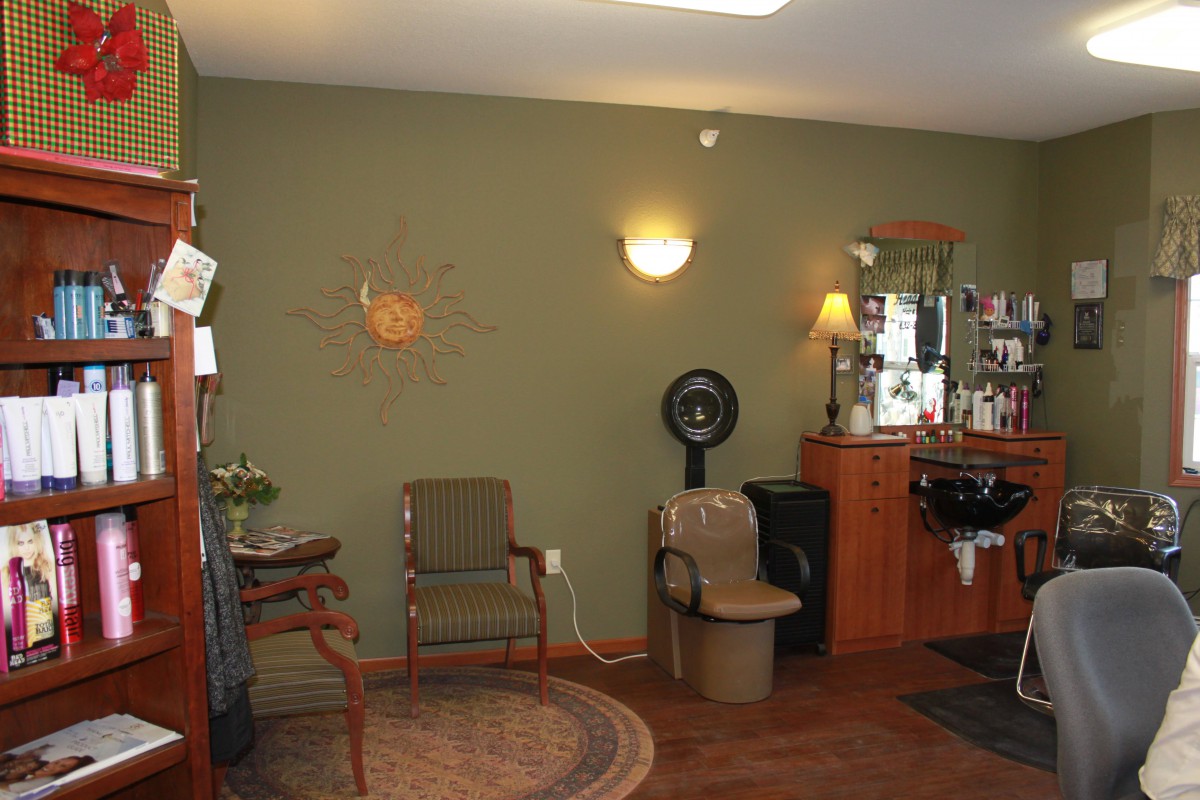
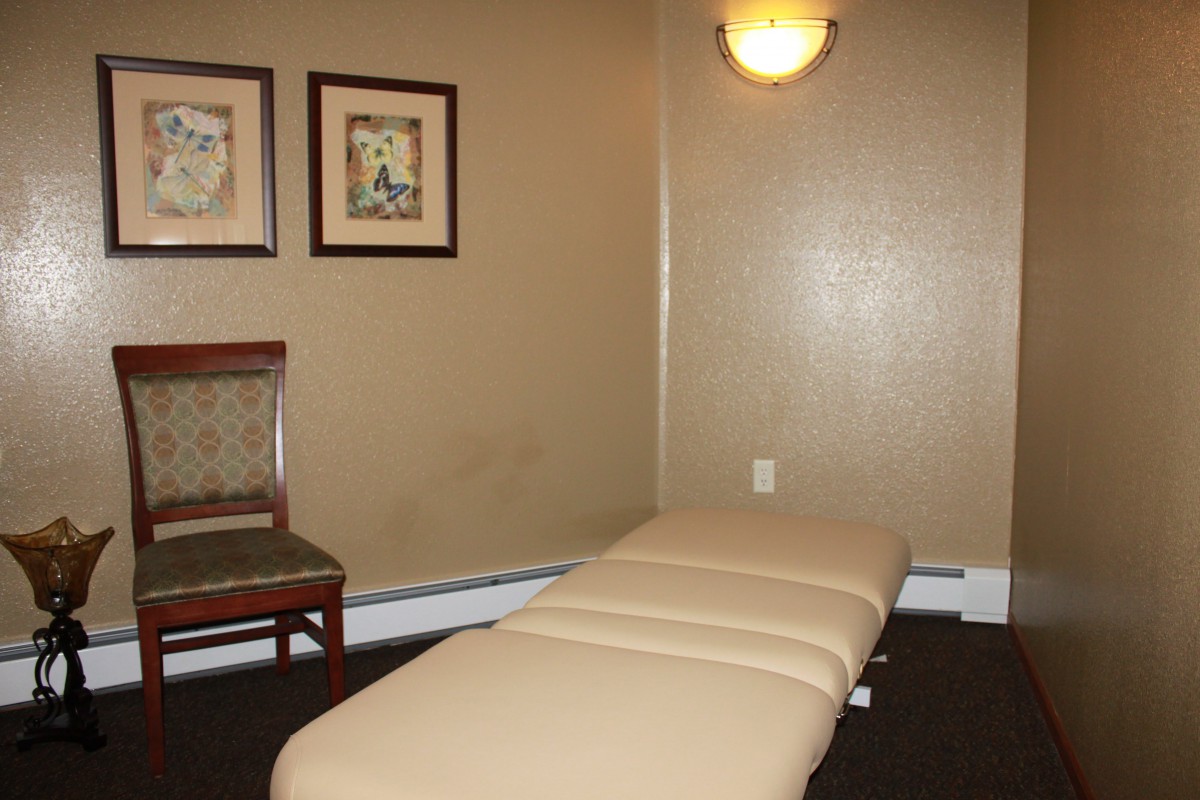
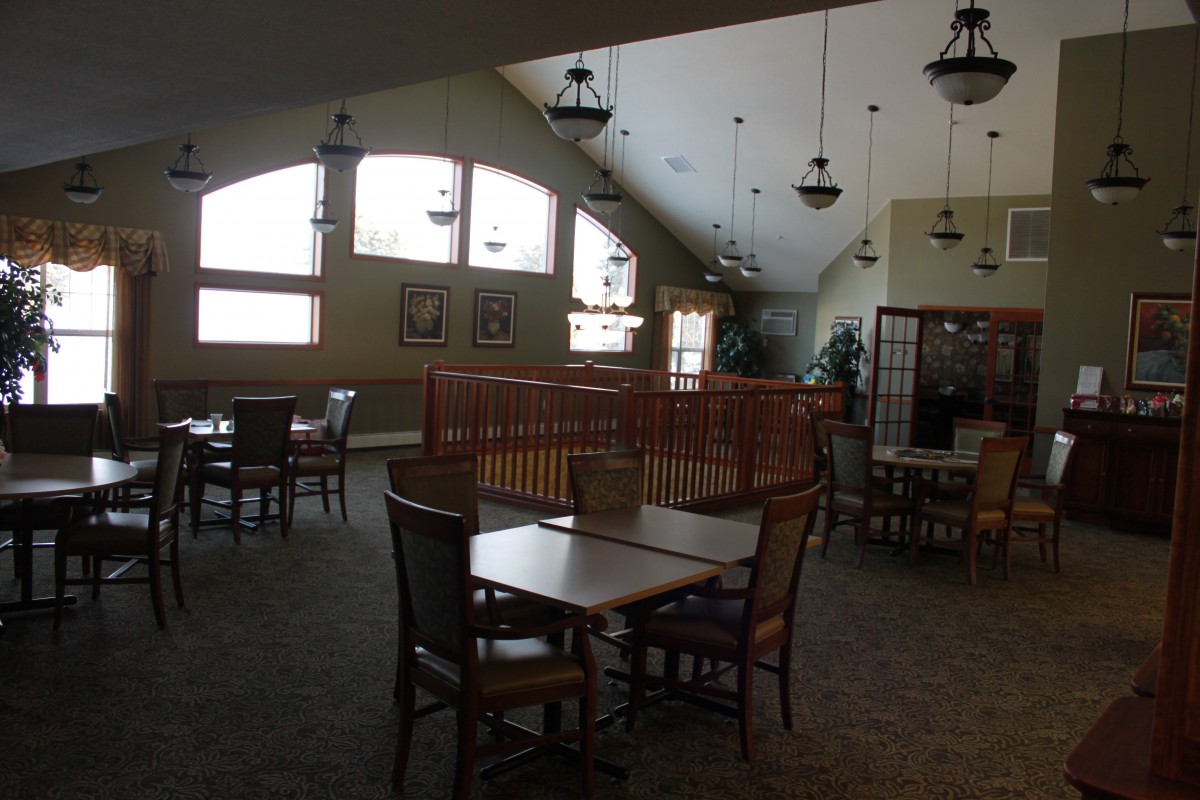
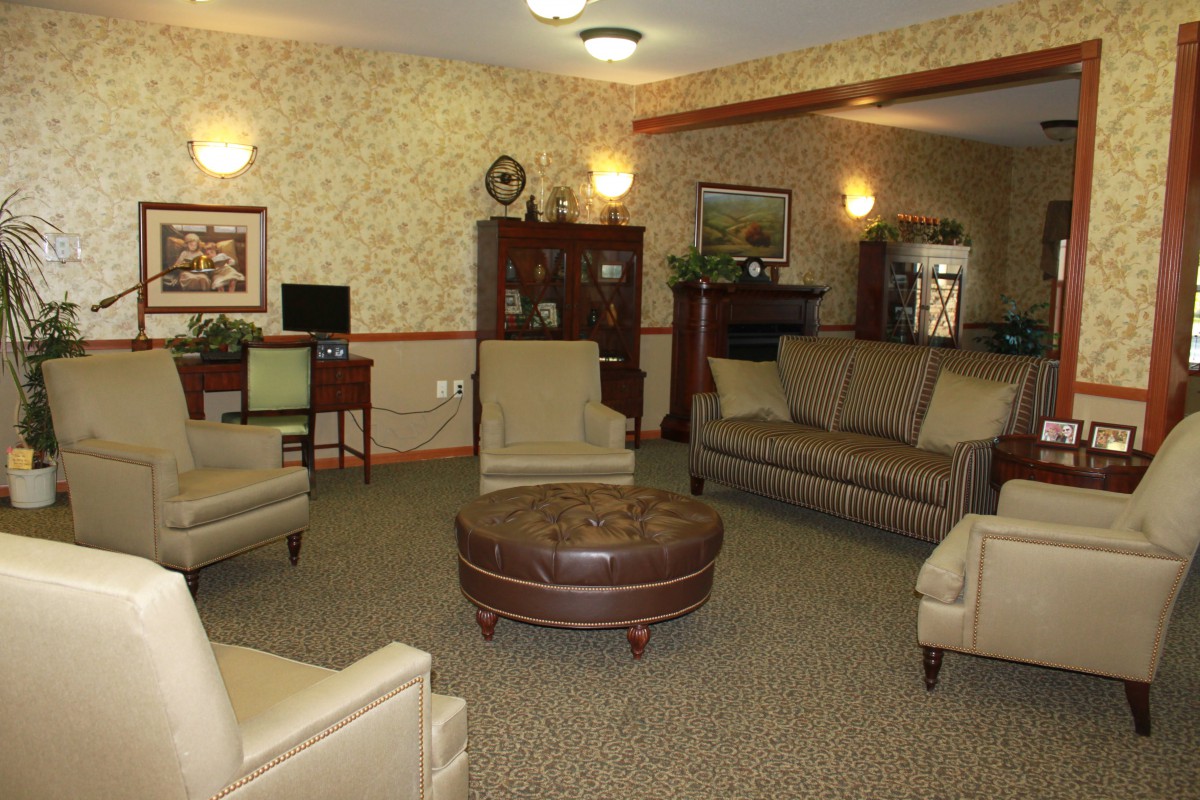
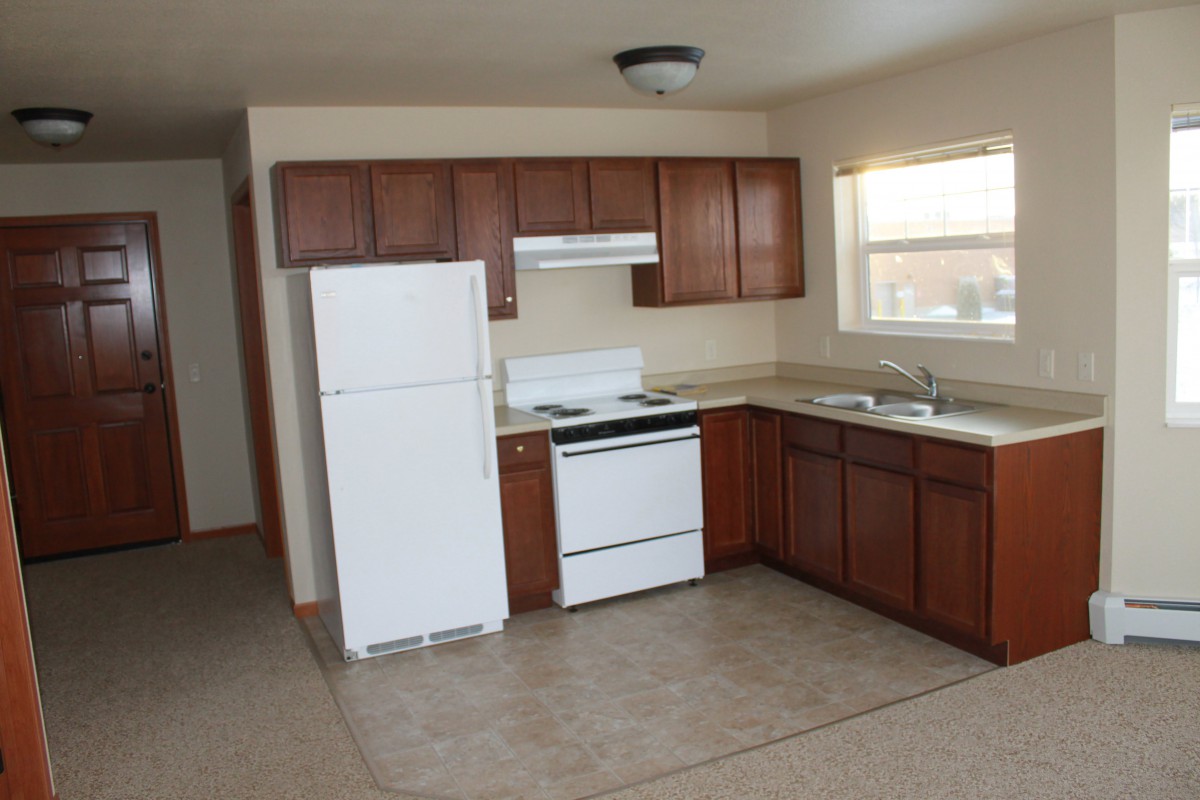
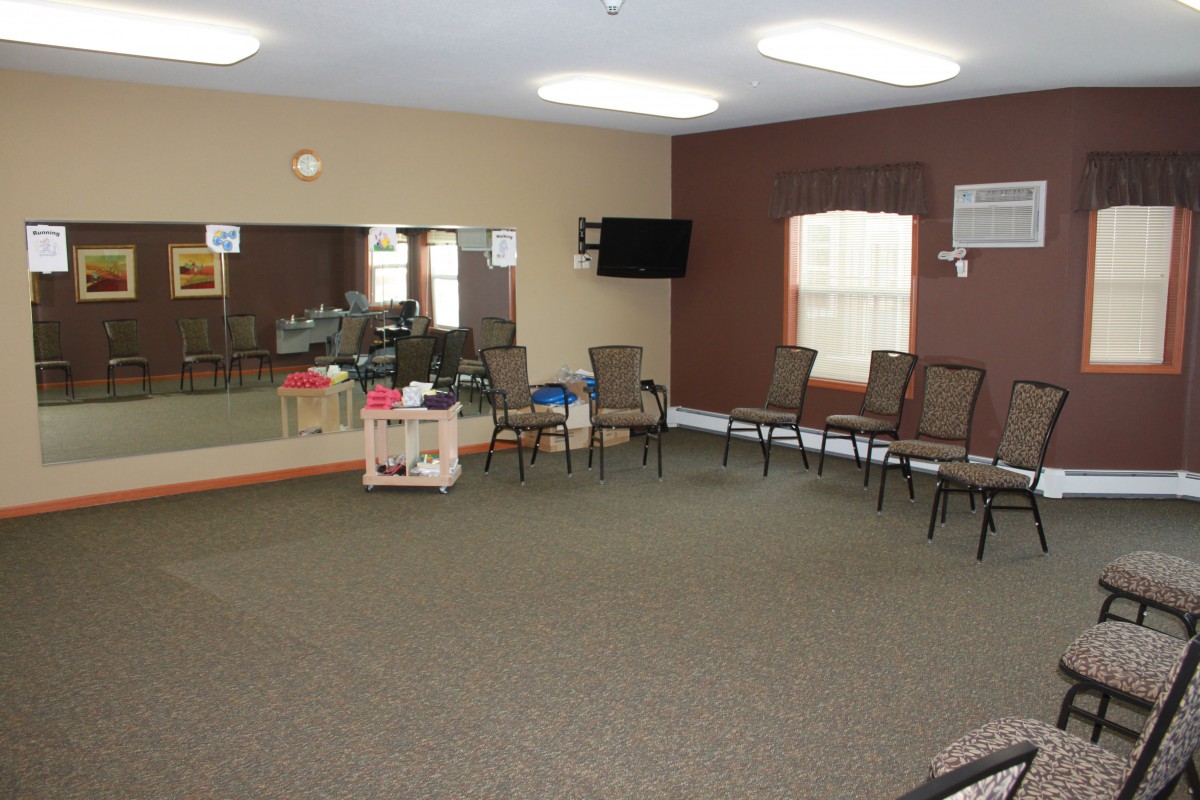
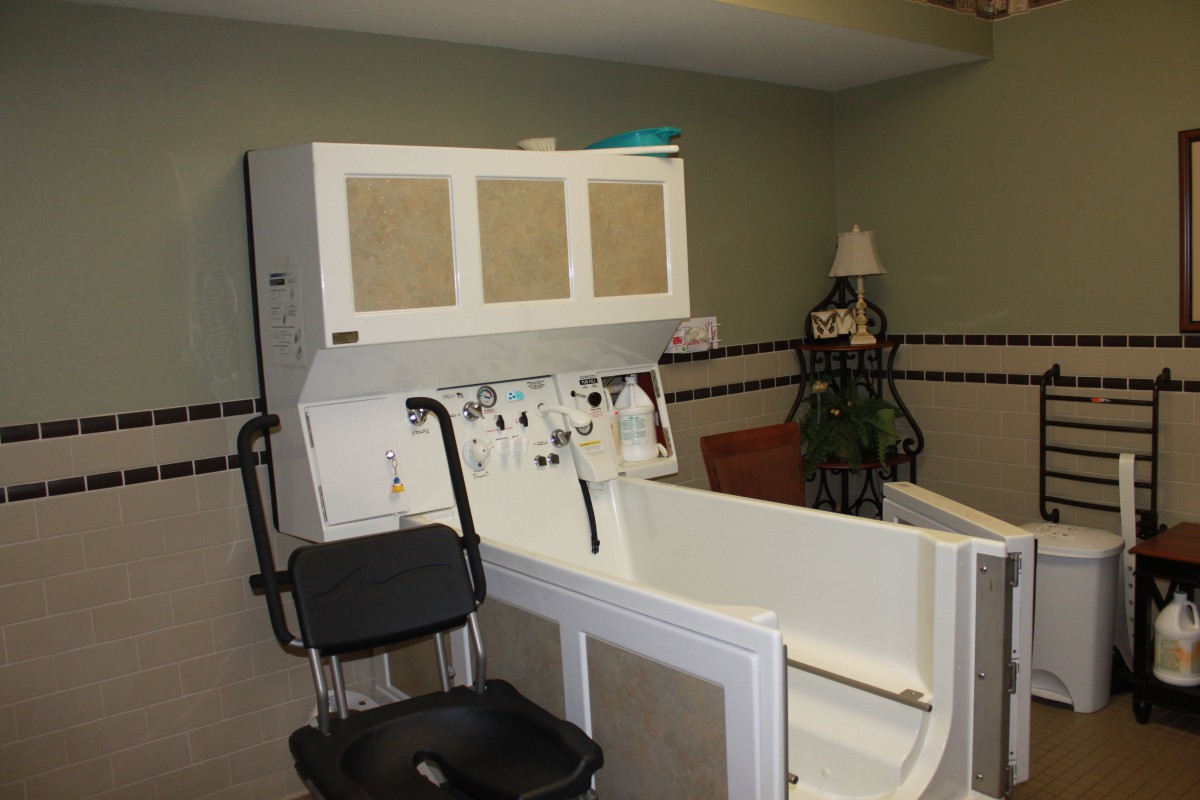
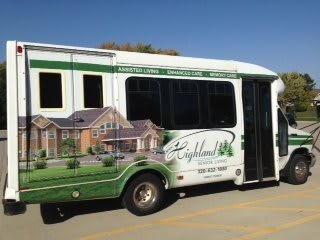
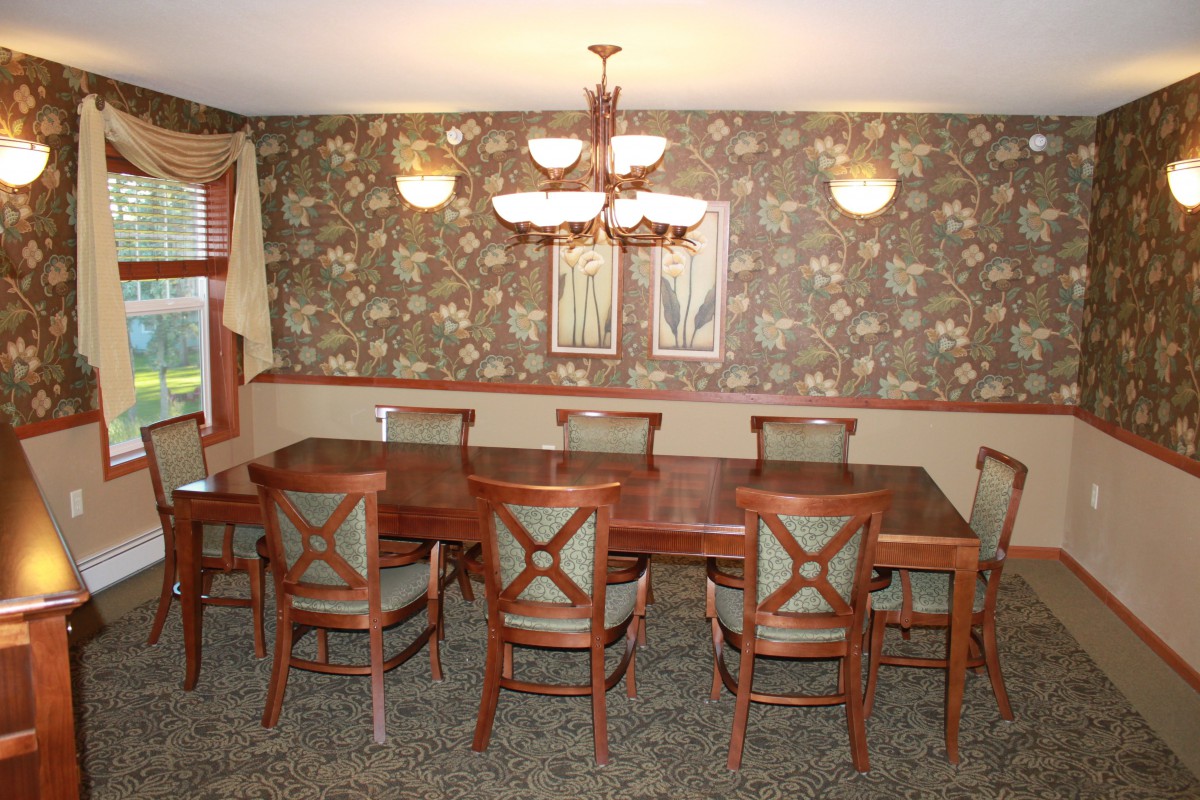
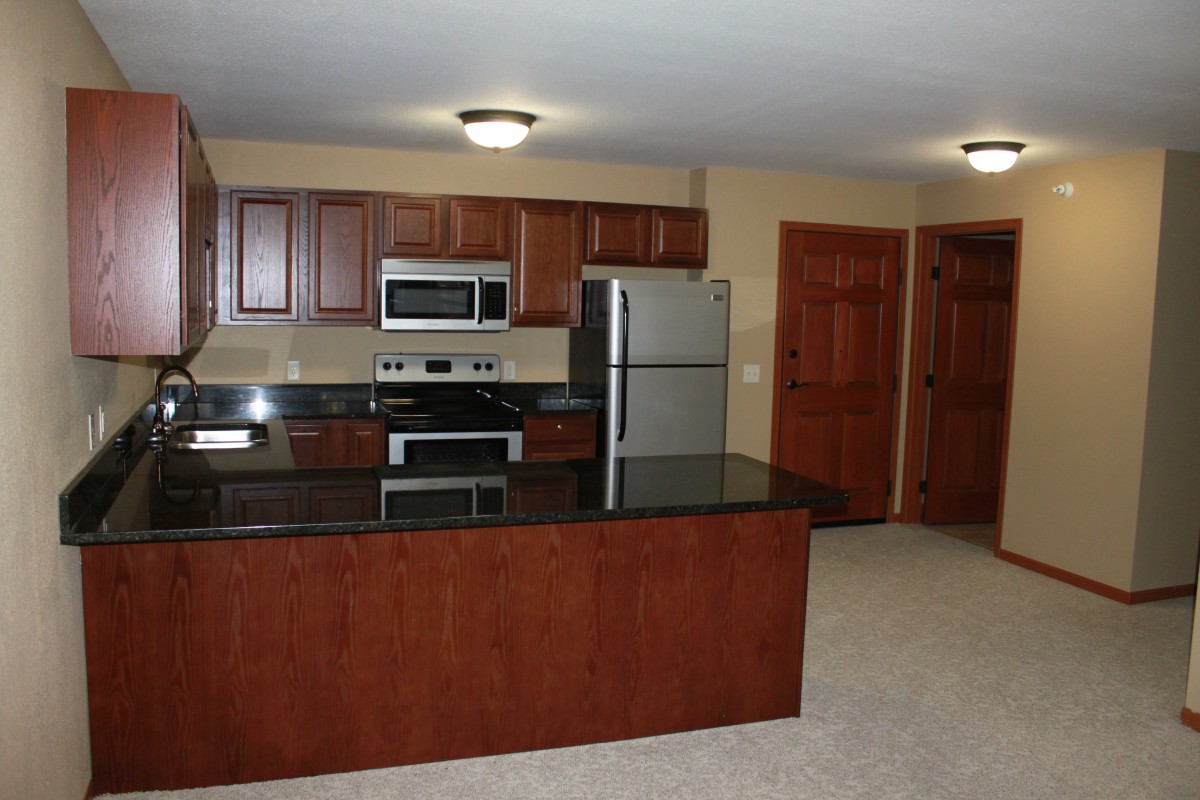
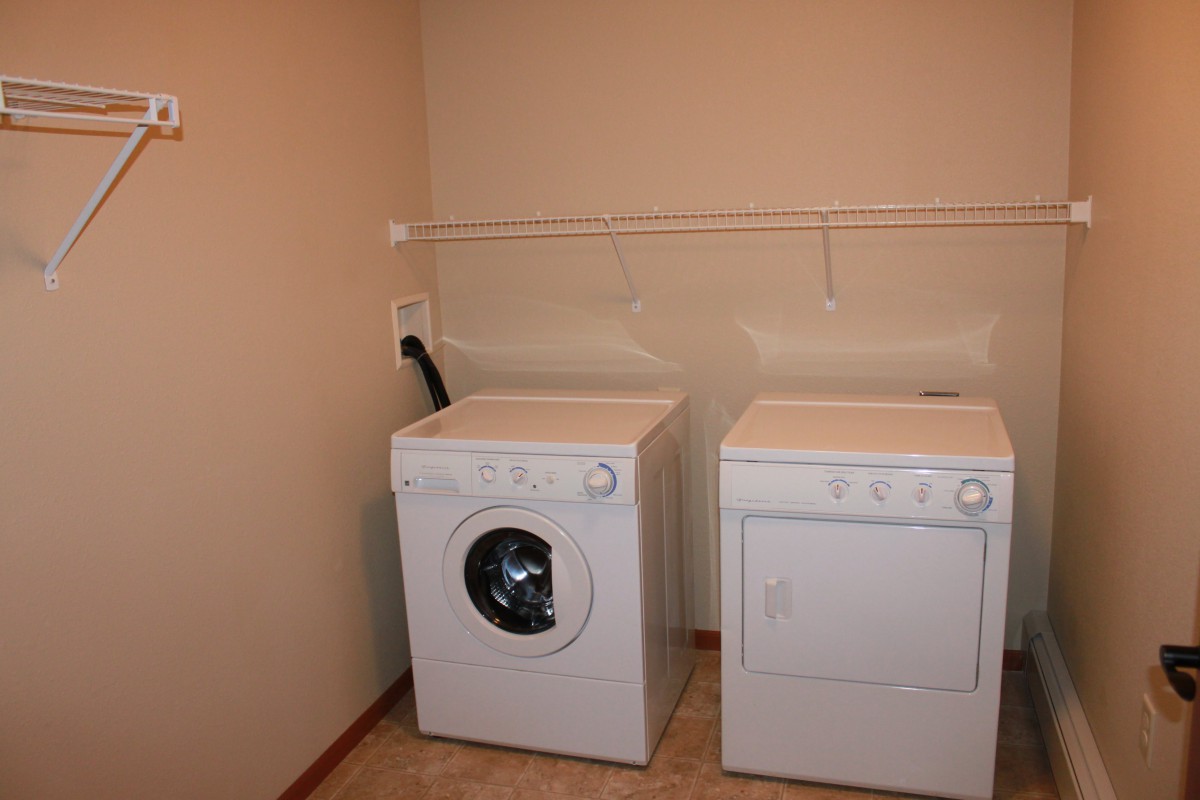
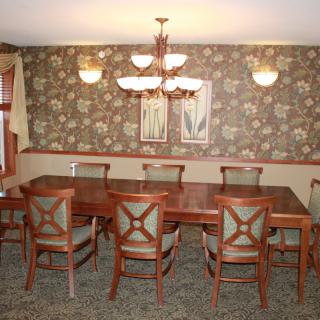
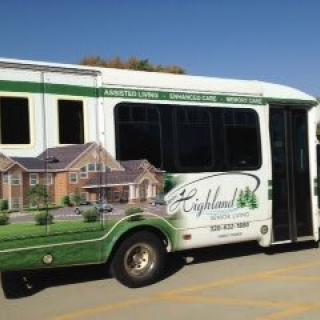
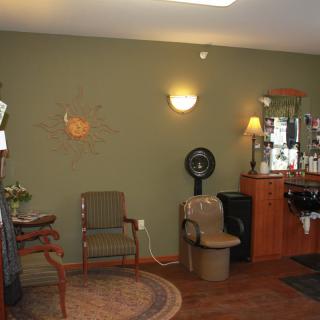
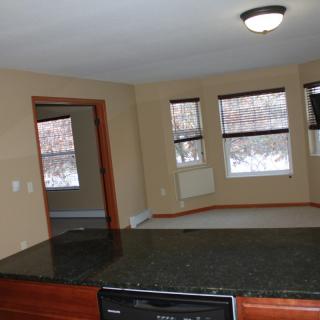
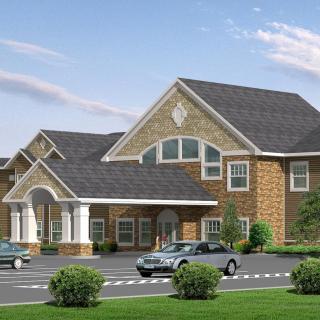
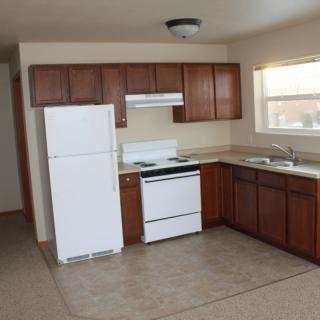
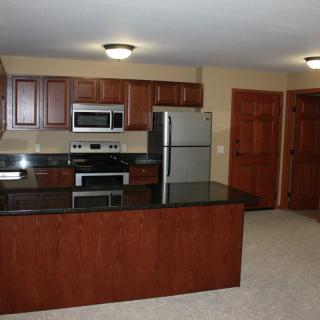
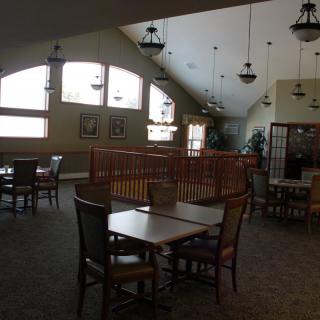
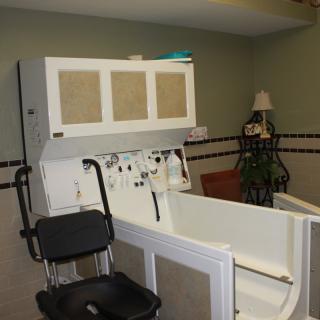
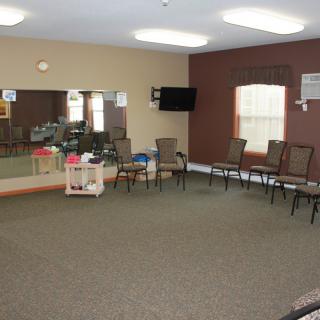
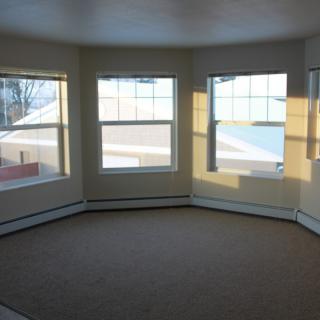
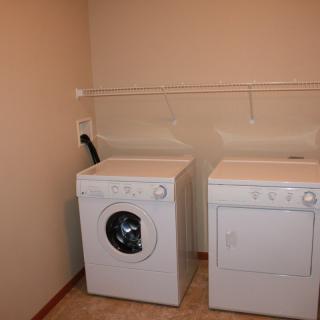
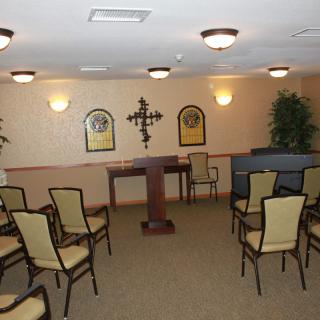
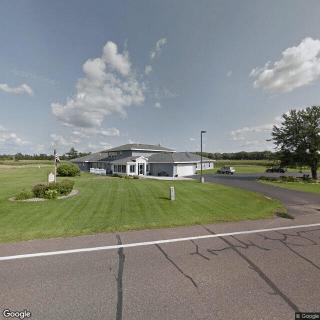
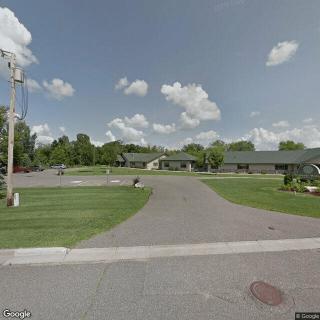
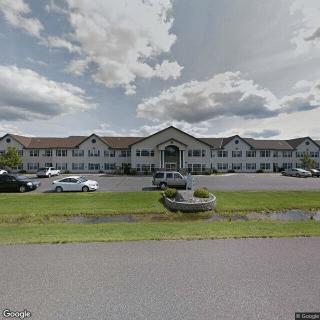
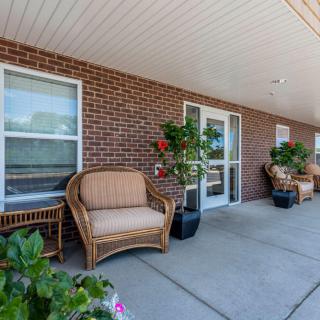
Highland Senior Living on seniors.fyi includes 18 photos including images showing interior, windows, dining, lighting, kitchen, appliances, decor, lights, and more.
Nearby Communities
Little Falls Care Center
Little Falls, MN
3.9 from 35 reviews
Comprehensive on-site amenities and care services (beauty salon, dining room, transportation, fitness room, medication management, ADL assistance, diabetes diet).
Bridgeway Estates
Little Falls, MN
1 from 1 review
$1,025 to $1,380 / month
Very affordable 1- and 2-bedroom pricing relative to Morrison County and Minnesota averages.
Diamond Willow Assisted Living of Little Falls
Little Falls, MN
5 from 7 reviews
$6,950 / month
Top choice among visited communities with excellent dining and well-designed rooms plus outdoor spaces.
Diamond Willow of Little Falls
Little Falls, MN
5 from 6 reviews
24/7 supervision with ADL support and furnished apartments.
Divine Home Care V
Little Falls, MN
4 from 4 reviews
Fully furnished accommodations with 24/7 supervision, medication management, and diverse dining options.
Comfort Keepers
Little Falls, MN
4.7 from 67 reviews
Reliable, compassionate night caregivers delivering peace of mind with open communication.
VA nursing homes, or Community Living Centers (CLCs), offer tailored long-term care for veterans, featuring medical attention and rehabilitation in a supportive environment. The guide covers facility types, eligibility criteria, financial assistance options, quality of care standards, and alternatives to full-time nursing home placement.
At-home dementia care expenses vary widely based on care levels, location, and caregiver expertise, with monthly costs for home health aides exceeding $4,500 and specialized care potentially surpassing $100,000 annually. While families favor in-home care for its comfort and personalized attention, they must consider financial planning and the challenges of caregiver fatigue.
The article discusses the late stages of dementia, detailing the progression from mild to severe impairment and highlighting key characteristics such as profound cognitive decline and dependency in daily activities. It emphasizes care strategies focused on comfort and dignity, the importance of advance directives, and the emotional support needed for family caregivers facing this challenging journey.
Get PricingAsk A QuestionSchedule A TourContact Senior Advisor
By clicking submit, you agree to our Partner's Terms of Use. You
also consent to receive calls and texts, which may be autodialed, from our Partner. Your consent is not a condition to
using our Partner's service. Please visit our Partner's Privacy Policy for information about their privacy practices.



 21 resident community capacity
 Assisted Living
 Memory Care
 Cats allowed
 Dogs allowed
 Activities off-site
 Bath tubs
 Beautician on-site
 Cable or satellite TV
 Devotional services on-site
 Dining room
 Fully furnished
 Garden
 Housekeeping services
 Indoor common areas
 Kitchenette
 Move-in coordination
 Outdoor common areas
 Respite or short term stays offered
 Telephone
 Wheelchair accessible showers
 Wi-Fi/high-speed internet available
 24-hour call system
 Assistance with bathing
 Assistance with dressing
 Assistance with transfers
 Diabetes diet
 Diabetic care
 Hospice waiver
 Incontinence care
 Meal preparation and service
 Medication management
 Mental wellness program
 Special dietary restrictions
 Transportation arrangement (medical)
 Transportation to doctors appointments
 Comprehensive on-site amenities and care services (beauty salon, dining room, transportation, fitness room, medication management, ADL assistance, diabetes diet).
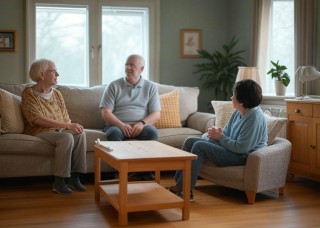 Comprehensive Guide to VA Nursing Homes: A Crucial Long-Term Care Resource for Veterans
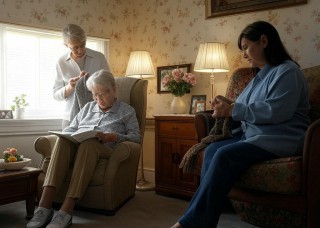 Estimating the Expenses of At-Home Dementia Care: A Detailed Exploration
 Comprehensive Insights on the Late Stages of Dementia: What to Expect and How to Provide Care