
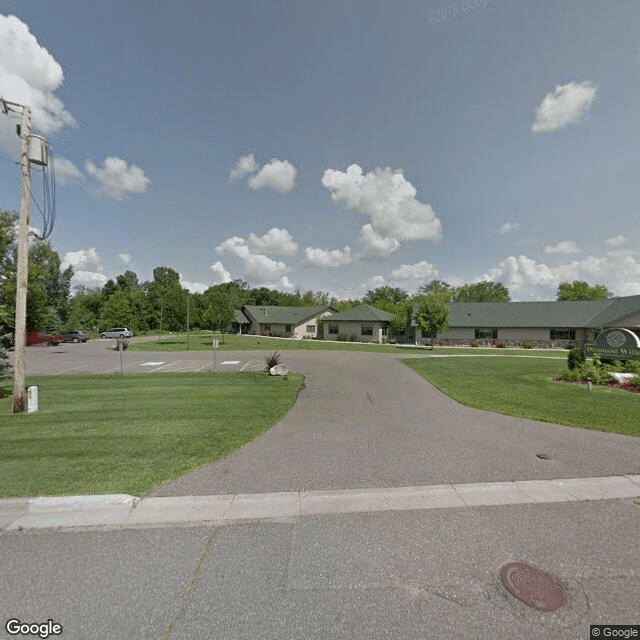
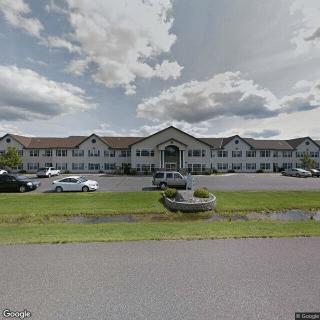
1401 5th Ave NE, Little Falls, MN 56345
To contact a resident: (320) 632-2177
For more information about senior living options: (866) 208-4318

Diamond Willow Assisted Living of Little Falls Costs & Pricing
Diamond Willow Assisted Living of Little Falls presents a premium pricing structure for its 1-bedroom accommodations, with monthly costs reaching $6,950. In comparison, the average monthly cost in Morrison County is significantly lower at $3,268, while the state average for Minnesota stands at $2,893. This discrepancy highlights Diamond Willow's positioning as a provider of enhanced services and amenities that cater to individuals seeking a higher level of care and comfort. While it carries a higher price tag than both local and state averages, residents can expect quality that reflects their investment in personal well-being and community support.
| Floor plans | Diamond Willow Assisted Living of Little Falls | Morrison County | Minnesota |
|---|---|---|---|
| 1 Bedroom | $6,950 | $3,268 | $2,893 |
Overall Review of Diamond Willow Assisted Living of Little Falls
Pros
 Diamond Willow has an array of amazing staff who take very good care of the residents.
- Diamond Willow is a fun and inviting environment.
- The staff at Diamond Willow provide comforting, compassionate care and truly meet residents' needs.
- Diamond Willow is a safe and caring home for loved ones.
- Diamond Willow is a wonderful small elderly community well taken care of by its staff.
- Diamond Willow offers good food, along with well-sized rooms, a thoughtful layout, and outdoor spaces like raised gardens and a gazebo.
Cons
 The reviewer would like to see more variety for the memory care unit.
- It was hard for the family to watch their loved one slowly grow weaker and die, though the staff provided comfort.
Review
Diamond Willow Assisted Living in Little Falls, MN is best suited for families seeking a small, home-like setting where staff know residents well and care is delivered with warmth and consistency. This community excels for seniors who value personal attention, predictable routines, and a safe, inviting atmosphere over glossy amenities. It works particularly well for residents who benefit from a quiet, neighborly environment, regular outdoor time, and the sense of being cared for by a dedicated, affectionate team rather than by a facility chasing volume or spectacle.
Those who should consider alternatives are typically families prioritizing a broader memory-care dining program or a more expansive social calendar. The memory-care unit is solid, but one reviewer noted a desire for more variety in meals within that segment. For families seeking larger private accommodations, more diverse resident gatherings, or a busier, more bustling community life, Diamond Willow’s intimate footprint may feel limiting. In short, for memory care with gourmet breadth and constant high-energy programming, other options may suit better.
The strongest pros center on the staff and the atmosphere. An array of remarkable caregivers consistently delivers attentive, loving care, creating a safe and nurturing home where residents feel genuinely valued. The testimonials emphasize that staff not only meet basic needs but form meaningful bonds, which can significantly ease transition anxiety for families and provide residents with dignity in daily life. In addition, the environment is described as fun and inviting, reinforcing a sense of belonging that often translates into improved mood and cooperation in daily activities.
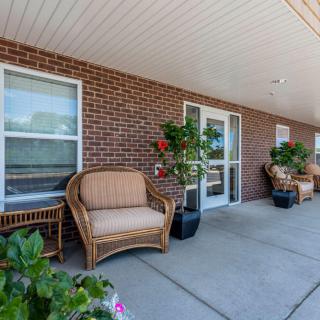
Outdoor spaces further bolster Diamond Willow’s practical appeal. The presence of raised gardens, a gazebo, and accessible outdoor areas offers residents opportunities for fresh air, light activity, and sensory engagement, features that many families prioritize for improving quality of life. Coupled with a layout that supports easy navigation and comfortable room configurations, these elements help offset the inevitable trade-offs that come with a smaller, more intimate community. The combination of reassurance, beauty, and ease of movement can make a meaningful difference for both residents and families.
In evaluating trade-offs, the key pros, compassionate, consistent care and a welcoming, secure setting, largely offset the noted drawbacks. The care team’s devotion can compensate for the limited dining variety in memory care by ensuring meals, mood, and daily routines feel thoughtfully curated around each resident. The small scale of the community amplifies staff familiarity and responsiveness, which often translates into quicker adaptation to changing needs and more individualized attention. For families prioritizing peace of mind, clear communication, and a sense of “home,” Diamond Willow delivers results that larger facilities sometimes struggle to match.
The practical takeaway is clear: Diamond Willow is a strong match for seniors who want a nurturing, family-like environment with dependable staff, good food in a cozy setting, and meaningful outdoor access. It is less ideal for those who demand a broad, high-variety memory-care dining program or a bustling social ecosystem with extensive on-site activities. Prospective families should weigh the value of intimate, attentive caregiving against the gaps in memory-care variety and the inherently smaller scope of a single-site community. A direct visit, tasting a meal, and conversations with the care team will crystallize how well this balance fits the resident’s needs.
 Assisted Living
 Memory Care
 Activities on-site
 Devotional services off-site
 Indoor common areas
 Ambulatory care
 Diabetic care
 Meals provided

 Understanding Dementia Through Its Seven Stages: A Comprehensive Look at Progression and Expectations
 A Holistic Dementia Care Guide: Effective Strategies for Memory Support
 Comprehensive Insights into Activities of Daily Living (ADLs) and Their Assessment