

1201 Hilton Road, Little Falls, MN 56345
To contact a resident: (320) 632-9449
For more information about senior living options: (866) 208-4318
Harmony House of Little Falls Costs & Pricing
Harmony House of Little Falls offers competitive pricing for its studio accommodations at $2,850 per month. This rate is notably higher than the average monthly cost in Morrison County, which stands at $2,570. However, when compared to the broader state average in Minnesota, which is $3,617 for similar facilities, Harmony House presents a more affordable option. This positioning not only reflects a thoughtful approach to pricing but also emphasizes the value provided to residents in terms of community amenities and quality of care. Overall, Harmony House strikes a balance between affordability and enriching living conditions within the local context.
| Floor plans | Harmony House of Little Falls | Morrison County | Minnesota |
|---|---|---|---|
| Studio | $2,850 | $2,570 | $3,617 |
Memory care communities with a similar price nearby
-
About the same

Highland Senior Living
$2,775 to $3,700 / month1.5 miles away -
About the same

Harmony House
$2,850 / month13.2 miles away
Overall Review of Harmony House of Little Falls
Pros
 The staff at Harmony House are polite and generally good-natured.
- The facility maintains good cleanliness.
- They offer daily activities, including church services for Protestant and Catholic congregations, an afternoon sing-along, and trivia.
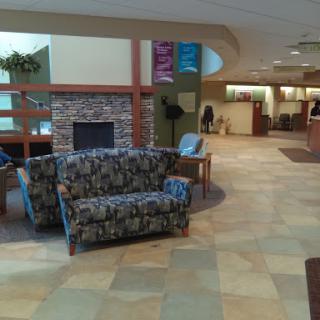
- The dining room is large and well-appointed, described as a big kitchen.
- The place is safe and secure.
- The staff are helpful.
- Her diet has improved since she arrived.
Cons
 The staff is short-staffed.
- The diet for the resident with diabetes was unsatisfactory.
- They were told no one was trained to tone down carbohydrate intake.
- They had to send someone to the hospital nutrition center for the resident.
- The rooms are not spacious.
- The residents don’t get enough food and the portions are very small.
- There isn’t enough one-on-one interaction with the patients.
- There are no observed activities at the facility.
Review
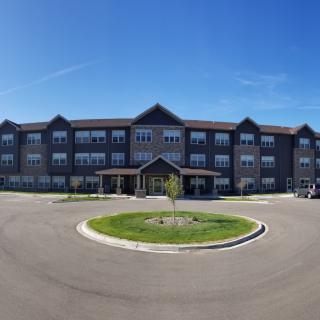
Harmony House of Little Falls is best suited for seniors who want a small, home-like assisted-living option where routines are predictable, staff are approachable, and daily activities plus religious services are reliably available. This community appeals to residents who value cleanliness, safety, and a sense of neighborhood within a compact setting. It is a fit for individuals who do not require intensive medical oversight or memory-care programming and who are comfortable with a lean staffing model in exchange for a consistent, personable staff presence.
Those needing robust dietary management, especially for diabetes, or those who require frequent, intensive one-on-one interaction, should consider alternatives. Families seeking generously proportioned meals, large private rooms, or a broad catalog of medical support may find the resources at Harmony House limited. Similarly, residents with higher care needs, complex medication regimens, or memory-care requirements may be better served by larger facilities with more specialized staff and deeper support networks.
On the positives, the staff comes across as polite and personable, which matters in day-to-day care and engagement. Cleanliness is consistently described as good, and a small facility tends to foster a sense of familiarity and accountability among caregivers. Daily activities are part of the rhythm of life here, and the programming includes religious services for Protestant and Catholic residents, afternoon sing-alongs, and trivia, components that can support social connection and meaning without feeling overwhelming. The combination of safety and a tight-knit community can reduce anxiety for families and residents alike.
However, the drawbacks pull in a more cautious direction. Staffing levels are a recurring concern, which translates into limited capacity for responsive care and more routine gaps. The most tangible issue for a diabetic resident is the reported lack of training to tailor diets, culminating in less-than-ideal meal planning and, at times, the need to involve external nutrition resources. Food portions are described as small by some family members, which undermines nutrition and overall satisfaction. Rooms are not spacious, and there is debate about how much one-on-one interaction actually happens, an element that matters for social well-being and personalized attention.
Prospective movers should use these realities to structure a sharp due diligence plan. Ask for a concrete staff-to-resident ratio, request an actual diabetic menu and a sample week of meals, and confirm that dietary staff have formal training in medical nutrition therapy. Speak with the activities director about how often residents receive individualized attention and what calls or visits happen beyond group programming. Inspect the size of rooms in person, and request a tour during mealtimes to gauge portion sizes and dining atmosphere. If possible, arrange a trial period or a short stay to assess whether care volume and engagement meet the resident’s needs.
In sum, Harmony House offers a practical, small-scale environment with reliable cleanliness, gentle staffing, and steady social programming that can be highly compatible for residents who prioritize routine, safety, and spiritual life. The key decision hinge is whether diabetes management and meal adequacy can be assured within this lean model, plus whether room size and individualized attention align with expectations. If those conditions can be met, the community stands as a solid fit; if not, it is prudent to explore alternatives with greater dietary sophistication and more expansive accommodations.
 Assisted Living
 Memory Care
 Cats allowed
 Dogs allowed
 Activities on-site
 Devotional services off-site
 Indoor common areas
 Respite or short term stays offered
 Ambulatory care
 Diabetic care
 Meals provided

 An In-Depth Look at Reminiscence Therapy in Dementia Care
 Dementia-Related Hallucinations: Causes, Experiences, and Practical Approaches
 Illuminating Insights About Alzheimer's Disease: Ten Crucial Realities