
203 North Armstrong Avenue, Litchfield, MN 55355
For more information about senior living options: (866) 208-4318
Overall Review of Ecumen Of Litchfield Sr Hous
Cons
 The facility does not meet the standards of care and support expected for elderly residents.
- The staff is largely young (16–24) and appears not equipped or trained to care for seniors.
- There have been at least three incidents affecting residents, including an injury to a family member due to inadequate care.
- There is a significant issue with organization and care protocols, with staff often ignoring doctor and family recommendations.
- The food is described as processed, artificial, and resembling fast food.
- The care provided is not the kind one would want for a loved one.
Review
Ecumen Of Litchfield Sr Hous is best suited for seniors with very light care needs and for families prepared to supervise day-to-day care closely and intervene when issues arise. The Bethany building, based on this feedback, presents a landscape where basic safety and consistent, attentive care are not reliably demonstrated. The care team is described as largely composed of younger staff members who may not be equipped to handle the full scope of geriatric needs, and repeated incidents have raised red flags about injury risk and the effectiveness of supervision. In this setting, families should anticipate frequent verification of medical directives, careful monitoring of daily routines, and a willingness to press for corrective actions. Without that level of hands-on oversight, the experience could fall short of what most families expect for a loved one needing steady, competent support.
Those who should reconsider Ecumen Of Litchfield and explore alternatives include families prioritizing consistent medical follow-through, skilled nursing attention, and reliable adherence to physician and family recommendations. Prospective residents who require proactive care planning, timely response to emergencies, or high-quality dietary service would likely encounter ongoing frustration here. The absence of documented, dependable care protocols and the reported issues with staff training suggest that other communities with stronger training programs, better staff retention, and clearer accountability would be a safer match for residents with complex health needs or cognitive considerations. In short, this facility is a poor fit for anyone seeking predictable, professional oversight.
The limited positives, if any, do not meaningfully offset the core drawbacks identified. A well-run community typically benefits from a stable, well-trained staff, consistent execution of care plans, and food that supports both appetite and health. In this case, the alignment between medical orders and daily practice appears fragile, reducing trust in the care environment. The reputation concerns raised, coupled with safety incidents and questions about the adequacy of supervision, undercut any potential value from routine programming or spiritual support. When weighed against the potential for neglect or missteps in care, the notable cons clearly outweigh the faint advantages that might be present in a less scrutinized setting.
To assess suitability in a practical, decision-focused way, families should insist on direct, concrete evidence during visits. Request a tour that spans multiple shifts to observe how staff respond to calls, meal service, and daily activities. Ask for the most recent incident reports, corrective actions taken, and staff training records, especially in geriatric care and safety protocols. Inquire about nurse coverage, emergency response times, and how medical orders are tracked and communicated to caregivers. Verify meal preparation standards, menu options, and accommodations for dietary restrictions. Above all, seek transparent answers about how care plans are developed, reviewed, and adjusted in collaboration with families and medical providers.
If alternatives are pursued, prioritize facilities with higher staff-to-resident ratios, stable caregiver teams, and explicit quality assurance mechanisms. Look for campuses that publish survey results, demonstrate ongoing staff training, and provide regular, documented family communication. Ask about alarmlike response times, incident management, medication security, and the presence of a nurse on site around the clock. For families with more complex medical or rehabilitative needs, consider larger networks or non-profit operators known for stronger oversight and a track record of safeguarding residents. The goal is to locate a setting where care is consistently reliable, meals are nutritious and palatable, and the care plan travels with the resident, guided by trained professionals and supported by responsive leadership.
In the end, Ecumen Of Litchfield Sr Hous should be approached with caution. The evidence suggests a need for substantial family involvement and a plan for rapid escalation when concerns arise. A decisive recommendation is to treat this community as a last-resort option or a temporary placement only, pending significant improvements in staff training, oversight, and adherence to medical directives. Families planning ahead will fare better by prioritizing facilities with proven stability, transparent operations, and proactive care management. If this community is still considered, demand a formal improvement roadmap with measurable targets, and insist on frequent, scheduled updates to ensure resident safety and quality of life.
 21 resident community capacity
 Assisted Living
 Memory Care
 Beauty salon
 Cable or satellite TV
 Dining room
 Fully furnished
 Garden
 Housekeeping services
 Kitchenette
 Move-in coordination
 Outdoor space
 Telephone
 Wi-Fi/high-speed internet available
 24-hour call system
 Activities of daily living assistance
 Assistance with bathing
 Assistance with dressing
 Assistance with transfers
 Diabetes diet
 Hospice waiver
 Meal preparation and service
 Medication management
 Mental wellness program
 Special dietary restrictions
 Transportation arrangement (medical)
 Transportation to doctors appointments
 Fully furnished apartments with restaurant-style dining and 24/7 supervision.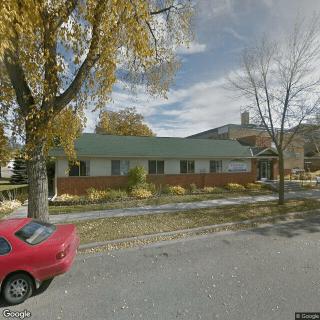

 When Dementia Sparks Anger and Aggression: Understanding the Connection and Ways to Cope
 Dementia Behaviors: In-Depth Understanding and Effective Coping Strategies
 5 Early Indicators of Dementia and What You Can Do