
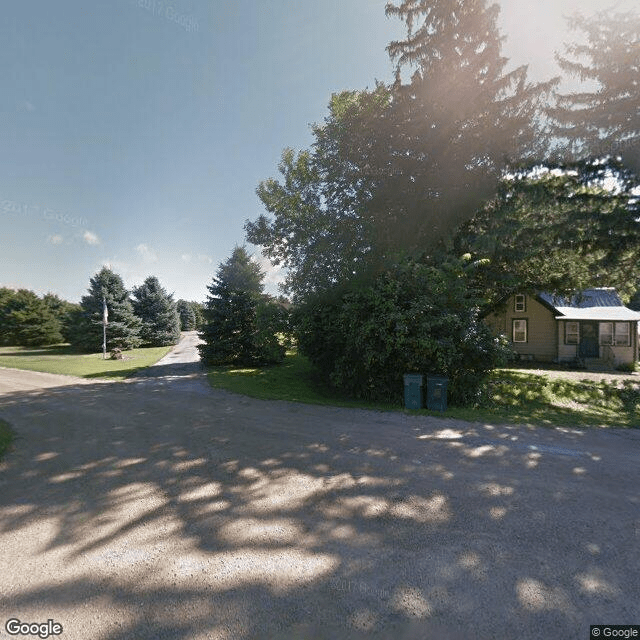
101 North Ridge Drive, Kenyon, MN 55946
For more information about senior living options: (866) 208-4318
North Ridge View Costs & Pricing
North Ridge View presents a competitive pricing structure for its accommodations, particularly when comparing monthly costs to both Steele County and the broader Minnesota region. For a studio unit at North Ridge View, residents can expect to pay $4,367, which exceeds the county average of $3,699 and the state average of $3,617. This suggests that while North Ridge View offers superior amenities or services, potential residents should weigh this against their budget. In contrast, private rooms at North Ridge View are priced equally at $4,367, presenting a more affordable option compared to Steele County's higher rate of $5,637 and slightly under the Minnesota average of $5,090. Overall, North Ridge View offers unique value in particular areas while remaining mindful of local cost dynamics.
| Floor plans | North Ridge View | Steele County | Minnesota |
|---|---|---|---|
| Private | $4,367 | $5,637 | $5,090 |
| Studio | $4,367 | $3,699 | $3,617 |
Memory care communities with a similar price nearby
-
from -$272 / mo
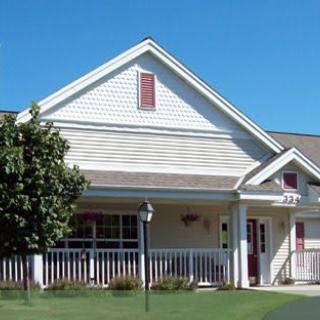
Timberdale Trace
$4,095 to $6,075 / month19.2 miles away -
from -$767 / mo
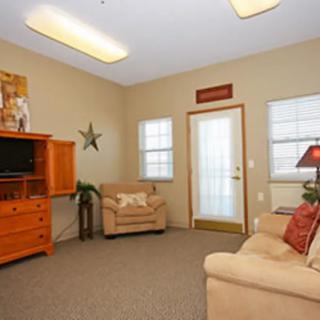
Milestone Senior Living Faribault
$3,600 to $5,500 / month13.4 miles away -
from -$267 / mo

Country Paradise
$4,100 / month23.6 miles away -
from +$583 / mo
Cottage On Forest
$4,950 / month15.4 miles away -
from +$478 / mo
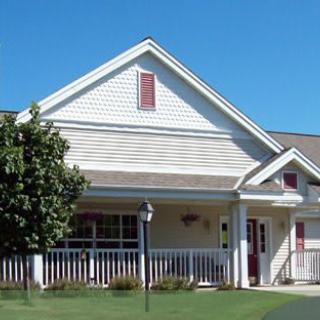
Americn Eagle Owatonna
$4,845 to $7,495 / month19.2 miles away
Overall Review of North Ridge View
Cons
 The reviewer and her sister did not like it.
- The location was the most inconvenient among the four siblings.
- It was a small house repurposed into a care facility.
- The facility’s maximum capacity was five people, which they found inadequate.
- There wasn’t enough to engage someone with dementia; residents were left just sitting there staring at walls.
Review
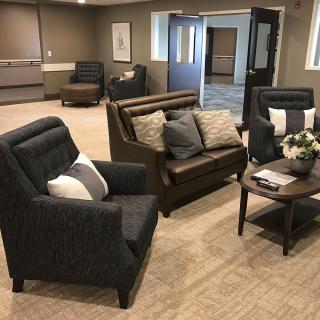
North Ridge View in Kenyon, MN is best suited for families seeking a truly intimate, home-like setting, one that can deliver highly personalized care in a small, low-key environment. The community’s standout feature is its tiny footprint: a converted residence with a hard cap on residents, which translates into close caregiver-resident relationships, looser routines, and a setting that feels less institutional and more like a private home. This arrangement works best when a senior requires minimal daily assistance but benefits from constant daily presence and direct access to caregivers who know preferences, routines, and health signals well. For residents who prize privacy, predictability, and a quietly supervised atmosphere, North Ridge View offers a compelling option.
Those who should consider alternatives are clear: anyone planning for a resident with dementia who needs steady engagement and structured programming, or families seeking robust social activity, diverse stimuli, or a bustling community calendar. The review notes a lack of meaningful activities for someone with memory loss, which can translate into extended periods of inactivity and wall-staring rather than purposeful engagement. The location also presents a practical hurdle for many families, an inconvenient setting for regular visits, errands, or coordinating transportation, which diminishes the value of a small, intimate environment for those who rely on frequent family involvement. For seniors who thrive on community programming, transport accessibility, or campus-like amenities, North Ridge View may fall short.
The main pros, an intimate, home-like ambiance and highly attentive, easily accessible care, do help offset certain limitations, but not all. In a setting limited to around five residents, caregivers can tailor routines, observe subtle health changes, and provide a steady, predictable day-to-day experience. That level of familiarity can reduce confusion and stress for a resident who is most comfortable with consistent faces and a predictable schedule. However, the same small scale that supports individualized attention also curtails opportunities for social interaction and varied stimulation. The result is a trade-off: comfort and closeness invest deeply in daily care, yet the lack of diverse activities and programs can leave residents under-stimulated, especially those with mild cognitive impairment or early-stage dementia seeking meaningful engagement.
Dementia care magnifies the tension between pros and cons. The absence of a robust activity slate is the clearest drawback for memory-impaired residents. The environment can feel isolating if programming is minimal and repetitive, which risks restlessness, withdrawal, or loss of interest. Family members should probe whether staff can implement simple, dementia-friendly routines, such as supervised reminiscence activities, gentle cognitive stimulation, or daily movement, and whether any external resources can be integrated. If memory care needs are anticipated, it becomes essential to confirm whether the facility has access to trained personnel, partnerships with specialists, or a practical plan to introduce more stimulating activities without sacrificing the benefits of the intimate setting.
Visits and due diligence should center on practical feasibility and personal fit. Prospective families ought to request a clear daily schedule that outlines meals, rest periods, and activity blocks, as well as staff hours, nurse oversight, and the ratio of caregivers to residents during peak times. It is also prudent to assess how privacy is preserved within a small home-like structure and what options exist for family involvement in care planning. Inquire about transportation for errands or appointments, guest visitation policies, and strategies to prevent isolation for residents who may not vocalize boredom or discomfort. Above all, verify that the care plan is adaptable: can routines shift if a resident’s needs evolve, and is there a contingency for more intensive support if required?
Bottom line: North Ridge View serves a very specific niche. It functions best for families seeking a highly personalized, low-key, homelike setting where a small number of residents receive close, attentive care, and where the senior does not demand extensive programming or dementia-focused activities. For families prioritizing robust social opportunities, a dynamic activity calendar, or easily navigable access to multiple services and amenities, alternatives with larger communities, stronger memory-care offerings, or more convenient locations will generally deliver greater overall value. This community earns its keep by delivering simplicity, privacy, and personal attention; it falls short for those who need vigorous engagement, mobility through a broader network, and consistently varied programming.
 21 resident community capacity
 Assisted Living
 Board and Care Home
 Memory Care
 Cats allowed
 Dogs allowed
 Activities off-site
 Beautician on-site
 Cable or satellite TV
 Devotional services on-site
 Dining room
 Fully furnished
 Garden
 Housekeeping services
 Indoor common areas
 Kitchenette
 Move-in coordination
 Outdoor common areas
 Private
 Respite or short term stays offered
 Telephone
 Wheelchair accessible showers
 Wi-Fi/high-speed internet available
 24-hour call system
 Assistance with bathing
 Assistance with dressing
 Assistance with transfers
 Diabetes diet
 Diabetic care
 High acuity care
 Incontinence care
 Meal preparation and service
 Medication management
 Mental wellness program
 Special dietary restrictions
 Transportation arrangement (medical)
 Transportation to doctors appointments
 24/7 care and support with furnished units and restaurant-style dining.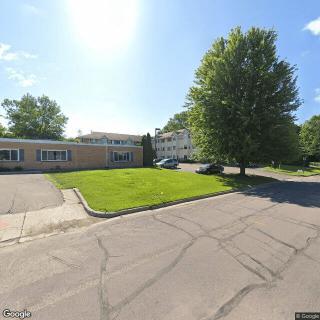
 8 Key Indicators That Suggest It May Be Time to Transition from Assisted Living to Skilled Nursing Care
 Nourishing the Mind: Essential Dietary Approaches for Dementia
 Understanding Dementia Behaviors: Practical Insights and Strategies for Caregivers