
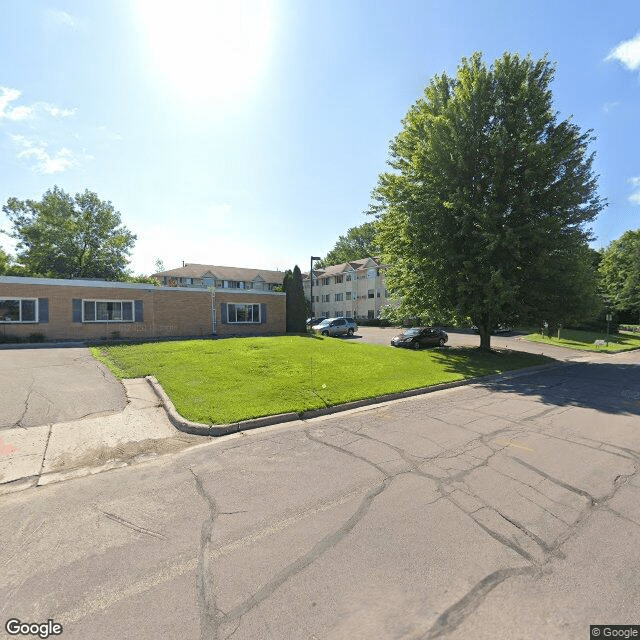
41 Brand Avenue, Faribault, MN 55021
For more information about senior living options: (866) 208-4318
Overall Review of Pleasant View Estates
Pros
 PVE is praised for excellent assistance to residents, with staff who are caring, helpful, and respectful.
- Pleasantville Estates is lauded for treating residents well, with Amber the director and Mary the RN highlighted as great at working with families.
- Pleasantview is credited with helping a resident’s mother be at her best in years.
- The facility is described as a very nice place, where staff work hard to please residents and accommodate various physical situations.
- Pets are allowed, and there are engaging activities available for participation.
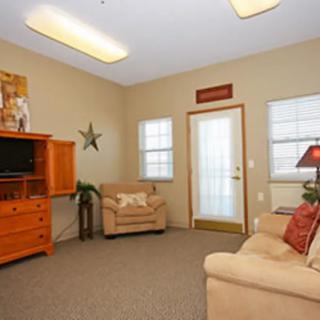
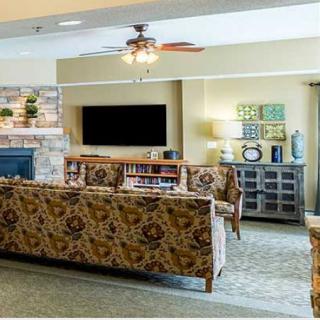
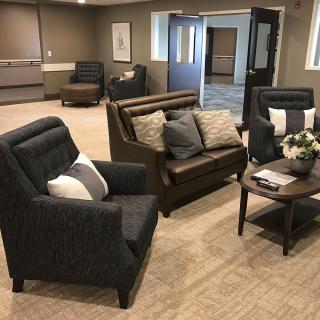
- There are large rooms available for family gatherings or other activities, suggesting a welcoming community.
Cons
 None found in the provided reviews.
Review
Pleasant View Estates in Faribault is best suited for families seeking a warm, caregiver-focused assisted living environment where staff know residents well, stay consistent, and create a home-like routine. The reviews repeatedly highlight a long-standing, stable team that treats residents with care and respect, including direct praise for staff who go the extra mile to accommodate individual needs. This community appeals to seniors who value personal attention, meaningful social interaction, and the comfort of a welcoming, neighborhood atmosphere rather than a sterile, impersonal campus. The anecdotal evidence of real longevity, an 11-year tenure for one resident, signals that residents are not shuffled in-and-out, but rather nurtured over time. In short, Pleasant View Estates targets seniors who want dependable, everyday support delivered with genuine empathy.
Those weighing alternatives should consider whether the setting needs deeper medical oversight or specialized memory-care programming. For families seeking 24/7 skilled nursing coverage, intensive clinical care, or a dedicated memory-care unit, other communities with broader clinical capacities may be a better fit. Similarly, if the priority is a newest construction, a broader range of high-end amenities, or more formalized programming across a larger campus, it makes sense to compare options in the region. Pleasant View Estates appears to excel in subtle, person-centered caregiving rather than in featuring flashy facilities, so families prioritizing luxury fixtures or highly structured medical disciplines will want to look elsewhere. Prospective residents with specific, high-level medical needs should verify the availability of appropriate clinical services before making a decision.
The strongest pros in the Pleasant View Estates picture lie in the human touch: caring, respectful staff, and a collaborative approach to each resident’s situation. Staff members are described as helpful and flexible, with Amber, the director, and Mary, the RN, singled out for their effectiveness in coordinating care with families. This leadership and turnover stability translate into consistent care plans and reliable communication, which reduces anxiety for loved ones and strengthens trust. The environment itself supports well-being through a homey feel, the approval of pets, and accessible social activities. When a resident’s family notes improved well-being and quality of life, the caregiving model is clearly delivering tangible benefits that go beyond routine assistance.
On the other hand, the reviews provide modest detail about some potential drawbacks. The most meaningful gap is a lack of explicit information about on-site around-the-clock nursing availability or a formal memory-care program, which matters for families facing complex medical or cognitive needs. The campus is described as warm and collaborative, with rooms large enough for family gatherings, but there is less emphasis on expansive clinical resources or a full continuum of care. For some residents, that could translate into needing more external support or choosing a community with a stronger clinical footprint. Another practical consideration is that the narrative doesn’t illuminate transportation options, meal variety, or the full scope of daily activity schedules, all of which can influence day-to-day satisfaction.
When evaluating Pleasant View Estates, use a disciplined, hands-on approach. Schedule a tour and observe how staff interact with residents across different shifts. Meet the director and the RN to gauge responsiveness and discreteness in care planning. Request a copy of the current care plan for a representative resident and ask how often plans are updated. Inquire about pet policies, guest programs, and the process for arranging family involvement in activities or events. Clarify what medical services are available on-site and how emergencies are handled, including any affiliations with local hospitals. Finally, compare pricing, inclusions, and potential add-ons with nearby options to determine true value and long-term affordability.
The bottom line is clear: Pleasant View Estates serves as a solid, compassionate option for seniors who value a warm, community-centered atmosphere, steady caregiver relationships, and opportunities for social engagement, all within a setting that welcomes pets. It is particularly strong for families seeking reassurance through consistent staff, family-oriented communication, and resident-focused adaptability. Those needing intensive medical specialization, memory-care expertise, or upscale amenities should approach with caution or look to other communities that foreground those services. For families who want a practical, grounded, and trustworthy place where mom or dad can age with dignity and a sense of belonging, Pleasant View Estates warrants serious consideration and a direct conversation with the leadership team.
 21 resident community capacity
 1-bedroom apartments
 Assisted Living
 Independent Living
 Memory Care
 Activities on-site
 Beauty salon
 Cable or satellite TV
 Devotional services off-site
 Dining room
 Fully furnished
 Garden
 Housekeeping services
 Indoor common areas
 Kitchenette
 Move-in coordination
 Outdoor space
 Respite or short term stays offered
 Telephone
 Wi-Fi/high-speed internet available
 24-hour call system
 Ambulatory care
 Assistance with bathing
 Assistance with dressing
 Assistance with transfers
 Diabetes diet
 Diabetic care
 Meal preparation and service
 Medication management
 Mental wellness program
 Special dietary restrictions
 Transportation arrangement (medical)
 Transportation to doctors appointments
 Comprehending Evening Confusion in Dementia: Causes, Manifestations, and Support
 Delirium and Dementia: Unraveling the Key Differences
 Are Dementia and Alzheimer's Disease Lethal? A Comprehensive Exploration