
5101 289th Ave NW, Isanti, MN 55040
To contact a resident: (763) 444-5272
For more information about senior living options: (866) 208-4318
Solbakken Estate Costs & Pricing
At Solbakken Estate, the monthly costs for accommodations reflect a competitive landscape in Isanti County and across Minnesota. For semi-private rooms, residents can expect to pay $4,950, which is notably lower than the county average of $5,153 and slightly higher than the state average of $4,051. Alternatively, private rooms are priced at $5,250 - positioning Solbakken Estate above Isanti County's average of $4,867 but still within a reasonable range compared to Minnesota's statewide average of $5,090. Overall, these pricing structures suggest that Solbakken Estate offers a compelling balance of quality care and affordability within its regional context.
| Floor plans | Solbakken Estate | Isanti County | Minnesota |
|---|---|---|---|
| Semi-Private | $4,950 | $5,153 | $4,051 |
| Private | $5,250 | $4,867 | $5,090 |
Senior living communities with a similar price nearby
-
from +$450 / mo
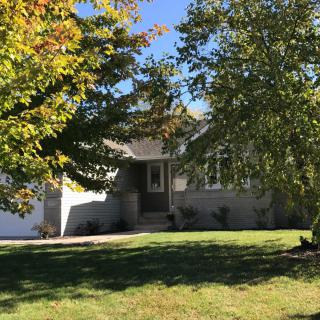
Family Tree Homes
$5,400 / month21.4 miles away -
from -$870 / mo

Signe And Olivias
$4,080 to $5,675 / month21.8 miles away -
from -$825 / mo
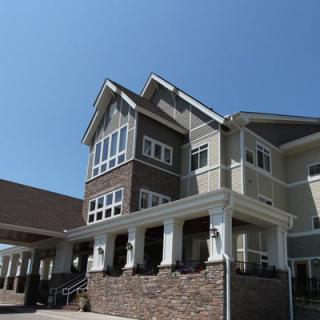
Blaine White Pine Senior Lvg
$4,125 to $5,400 / month22.7 miles away -
from +$450 / mo
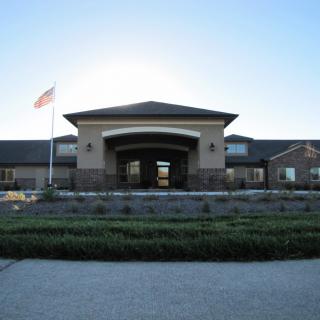
Edgemont Place
$5,400 to $7,100 / month22.7 miles away -
from -$700 / mo

Creekside Villas
$4,250 / month22.1 miles away
Overall Review of Solbakken Estate
Pros
 The staff at Solbakken were outstanding, cheerful, and loving toward residents.
- Mom received excellent care during her year at Solbakken.
- The staff kept the family informed of any changes in Mom’s status.
- They were supportive of the family during the last week of life.
- The staff took excellent care of Mom and became her second family.
- They taught the family how to deal with Mom’s dementia.
- Solbakken is described as a small, family-style care setting.
Review
Solbakken Estate in Isanti, MN is best suited for families seeking a small, homelike memory-care setting where a loved one can receive highly attentive, relationship-driven care. The reviews depict a warm, family-style atmosphere in which caregivers act as an extension of the family and remain closely connected to loved ones. This is not a large, impersonal campus; it is a tight-knit operation where consistent caregiving teams form real bonds with residents living with dementia. For a resident who benefits from steady routines, frequent personal check-ins, and transparent communication with relatives, Solbakken aligns care philosophy with daily experience in a way that offers dignity and predictable support.
That said, Solbakken may not be the right fit for every family. Those seeking a larger campus with expansive medical services, broader activity programming, or highly specialized clinical teams may prefer alternatives that offer more breadth. Families looking for a structured schedule with a wide array of amenities or for residents who crave abundant social events might find the setting too intimate or limited. And for residents who are not primarily needing memory-care-intensive support, someone else’s model, one with greater independence or more comprehensive on-site services, could yield a better overall fit. The key is fit between needs and the intimate care approach Solbakken embodies.
Three clear advantages rise to the top. First, the staff quality is exceptional, with caregivers described as cheerful, loving, and consistently attentive to residents’ needs. Second, the care goes beyond clinical tasks; staff become a second family for residents and provide practical dementia guidance to families, easing guilt and uncertainty. Third, the environment’s intimate scale supports reliable monitoring and timely responses, with end-of-life support that respects families during difficult moments. Together, these strengths create a trustworthy, comforting daily life where a resident with dementia can feel secure, respected, and truly known.
These strengths offset the trade-offs inherent in a small estate setting. The same intimacy that enables personalized attention can, in other contexts, limit program variety or on-site medical depth; at Solbakken, however, the payoff is a steady, transparent caregiving team and clear channels for family communication. Families report being guided through dementia challenges and experiencing reduced guilt about what cannot be done. The emotional support provided during critical moments, up to the last days of life, demonstrates a level of dedication that often distinguishes compassionate care from routine caregiving. In short, the proven staff culture and family-first approach effectively compensate for any potential limits in breadth of services.
One review acknowledges a negative experience, signaling that not every resident may share the same outcome. Yet the overwhelming pattern across the other accounts centers on staff excellence, heartfelt engagement, and consistently high-quality caregiving. For families weighing Solbakken, this means prioritizing a tour focused on firsthand interactions with caregivers, asking pointed questions about staff-to-resident ratios, dementia programming, and how care plans evolve with changing needs. The presence of a dissenting voice does not erase the strong, repeated testimony of reliability and warmth that defines most residents’ experiences.
Decision guidance follows from these observations. If the aim is a compact, family-centered memory-care setting where staff form dependable relationships with residents and families, Solbakken Estate delivers with credibility and warmth. If the priority is expansive programming, broader clinical services, or a resort-like environment, alternatives should be explored. The recommended next steps are straightforward: arrange a visit to observe daily interactions, request a detailed explanation of dementia-specific care plans, inquire about staff ratios and training, and discuss end-of-life and bereavement support. With its demonstrated strengths, Solbakken Estate should be a leading contender for families prioritizing intimate, compassionate dementia care in a small-group setting.
 Board and Care Home
 Dogs allowed
 Activities on-site
 Bath tubs
 Beautician on-site
 Devotional services on-site
 Indoor common areas
 Outdoor common areas
 Private
 Private bathrooms
 Swimming pool / hot tub
 Wheelchair accessible showers
 Ambulatory care
 Diabetic care
 High acuity care
 Meals provided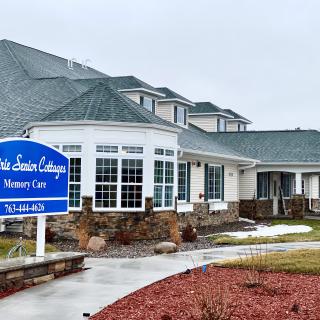
 California's Form 602A: An In-Depth Examination of Senior Care Assessment
 Comprehensive Look at Senior Blood Pressure Charts: Normal and Elevated Levels by Age
 Top Canine Companions for Older Adults