Residents and families describe the staff as supportive, knowledgeable, and caring.
Many reviews focus on how supported residents feel, with praise for knowledgeable staff and attentive daily care. Several families also say the team helped quickly as needs changed, treating residents with respect. Even in mixed comments, reviewers distinguish between good care from direct attendants and problems with certain front-desk or reception interactions.
common3 reviews mention this
Dining is a repeated highlight
Restaurant-style dining and food service come up positively in reviews.
Some reviewers directly mention the community’s restaurant-style dining and give positive feedback on the food. Families also talk about food service as part of an overall package of care and services. Reviews that mention dining do so as a day-to-day comfort, not just a one-time feature.
common3 reviews mention this
Activities keep residents engaged
Residents and families mention strong activity options.
Reviews describe enrichment opportunities and a steady schedule of activities. One commenter highlights exercise classes with a YMCA on site and an event recurring on Fridays. Others tie activities into quality of life, especially when care needs become more specific.
common4 reviews mention this
Clean, modern, and comfortable spaces
Reviews frequently mention a clean, attractive, and comfortable building.
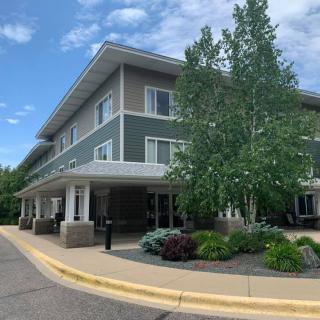
Several reviews describe the community as clean and modern, and they also call out the building’s appearance. Comfort and pleasant surroundings show up alongside comments about staff care. A few reviewers also frame the overall feel of the facility as an important part of their experience.
caveat2 reviews mention this
Medical response can be slow
Some reviews raise concerns about timely medical assistance.
A reviewer in an enhanced care context reports assistance requests went unanswered for hours. Another comment notes attendants were sometimes slow to respond, alongside the view that they were busy. These concerns focus on responsiveness more than on whether care is provided at all.
caveat2 reviews mention this
Reception and front desk frustrate
A recurring issue in reviews is unwelcoming reception and front-desk interactions.
Two reviews say the front desk or reception staff were not friendly and questioned visitors during visits with a sick parent. Another reviewer contrasts positive direct-care experiences with problems involving receptionists and executive staff. Together, the comments point to a customer-experience gap at the front line.
How we summarize
Counts show how many written reviews mention each theme; a review can touch several themes, and only frequently mentioned themes are displayed.
Features
Housing
125 resident community capacity
1-bedroom apartments
Studio apartments
Types of Care
Assisted Living
Memory Care
Amenities
Air-conditioning
Beautician on-site
Beauty salon
Cable or satellite TV
Computer center
Dining room
Fitness room
Full kitchen
Fully furnished
Gaming room
Garden
Housekeeping services
Kitchenette
Move-in coordination
Outdoor space
Party space
Private bathrooms
Restaurant-style dining
Small library
Telephone
Wellness center
Wi-Fi/high-speed internet available
Transportation
Minneapolis-St Paul International (12 miles away)
Community operated transportation
Transportation & parking
Transportation arrangement
Transportation arrangement (non-medical)
Care Services
12-16 hour nursing
24-hour call system
24-hour supervision
Activities of daily living assistance
Assistance with bathing
Assistance with dressing
Assistance with transfers
Coordination with health care providers
Diabetes diet
Meal preparation and service
Medication management
Mental wellness program
Mild cognitive impairment
Special dietary restrictions
Specialized memory care programming
Transportation arrangement (medical)
Transportation to doctors appointments
Dining
Diabetes diet
Special dietary restrictions
Activities
Community-sponsored activities
Concierge services
Fitness programs
Planned day trips
Religious services
Resident-run activities
Scheduled daily activities
Languages Spoken
English
Nearby Places of Interest
Restaurants
Taco Teresa's (0.2 miles)
The Cheesecake Factory (0.4 miles)
Kona Grill (0.5 miles)
BLVD Kitchen & Bar (1.1 miles)
Olive Garden (1.1 miles)
Culver's (2.9 miles)
McDonald's (3.2 miles)
Physicians
Ellgaard Annemarie Park Nicollet Clinic Carlson Parkway Minnetonka (1.5 miles)
Metropolitan Dermatology & Cutaneous Surgery PA (2.9 miles)
Northwest Family Physicians Plymouth (3.7 miles)
Minnesota Gastroenterology PA (4.6 miles)
Children's Hospitals and Clinics of Minnesota's Ear, Nose and Throat (4.7 miles)
Partners In Pediatrics (7.1 miles)
Northwest Family Physicians PA (7.3 miles)
Pharmacies
Walgreens (2.4 miles)
Walgreens (3 miles)
Walgreens (3.5 miles)
Walgreens (4.2 miles)
CVS Pharmacy (4.3 miles)
Walgreens (4.5 miles)
Walgreens (4.5 miles)
Parks
Parkers Lake Park (2.7 miles)
Aquila Park (3 miles)
French Regional Park (4 miles)
Dakota Dog Park (4.2 miles)
Churchill Farms Residents' Park (5.3 miles)
McGuire Park (6.9 miles)
Plymouth Dog Park (7.2 miles)
Cafes
Angel Food Bakery & Coffee Bar (3.1 miles)
Jinx Tea (6.3 miles)
Spyhouse Coffee (7.3 miles)
Dunn Brothers Coffee (7.8 miles)
Caribou Coffee (7.8 miles)
Places of Worship
St Therese of Deephaven (3.7 miles)
Shepherd of the Hills Lutheran Church (4.3 miles)
Elim Church Center (6.9 miles)
Hospitals
Park Nicollet Methodist Hospital (4.6 miles)
Plymouth Surgery Center (4.6 miles)
Regency Hospital (5.7 miles)
Abbott Northwestern Center For Outpatient Care (7.5 miles)
Cherrywood Pointe Minnetonka's comprehensive array of features is designed to meet the unique needs of residents facing cognitive challenges. The 24-hour supervision ensures a safe environment where staff can promptly respond to any needs or emergencies, while assistance with activities of daily living--such as bathing, dressing, and transfers--promotes dignity and comfort for residents who may struggle with these tasks. Coordination with healthcare providers guarantees that medical needs are consistently addressed, complemented by meal preparation and service that caters to nutritional requirements. Medication management safeguards adherence to prescribed regimens crucial for health stability. Additionally, engaging in a mental wellness program along with specialized memory care programming fosters cognitive engagement and emotional support tailored to individual capabilities. Finally, facilitated transportation for medical appointments further enhances continuity of care, ensuring residents receive the comprehensive support necessary for their well-being.
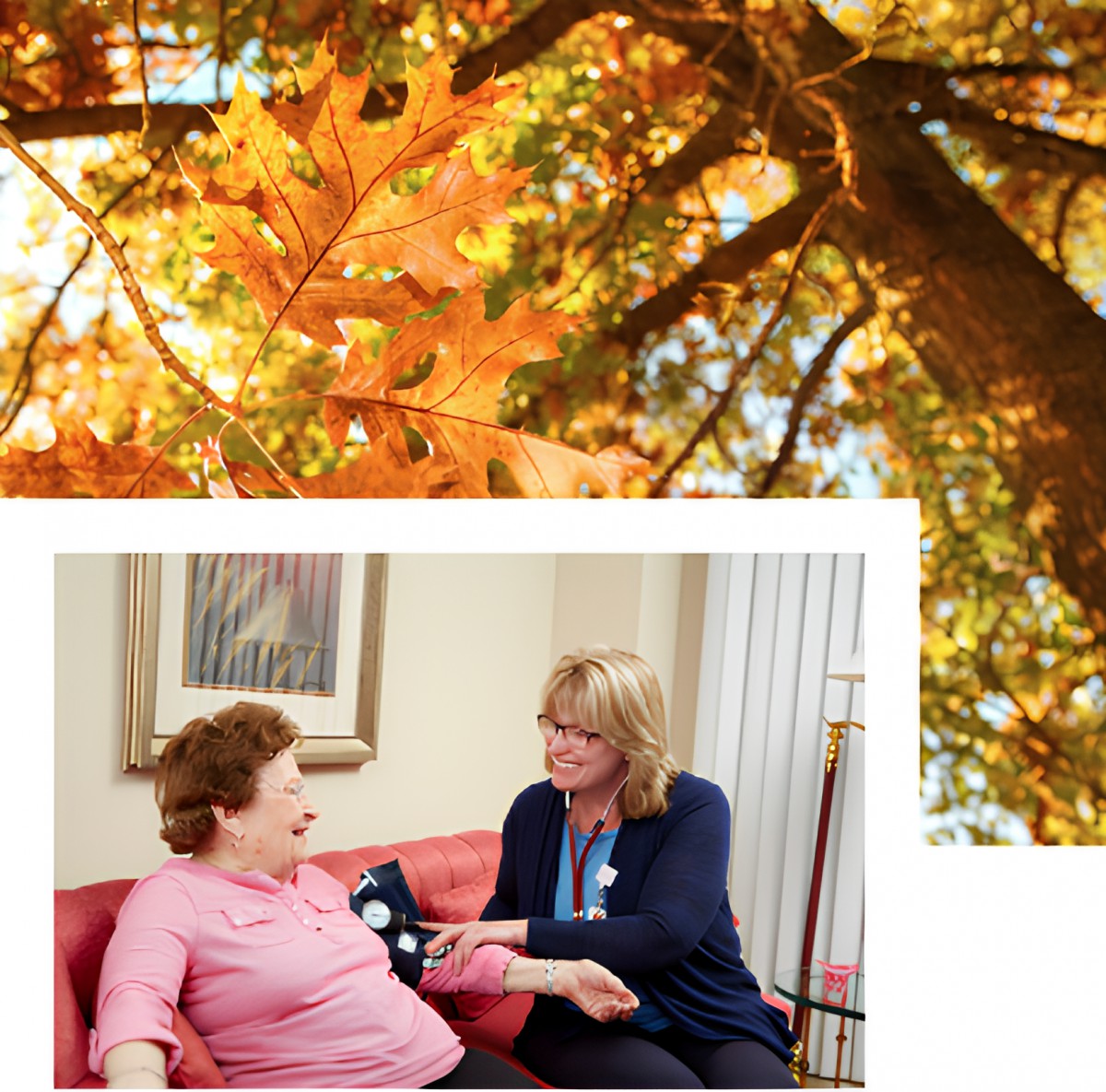
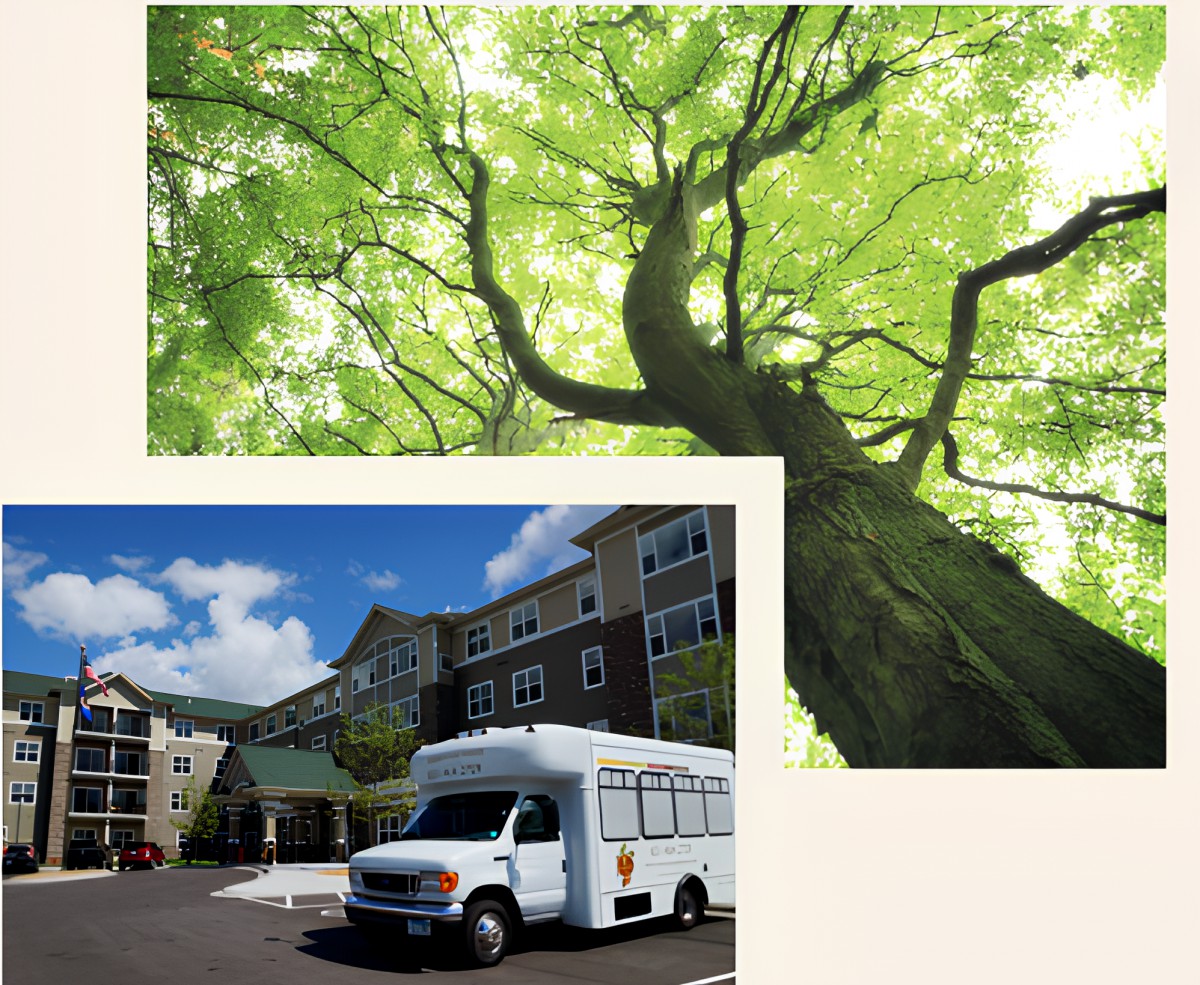
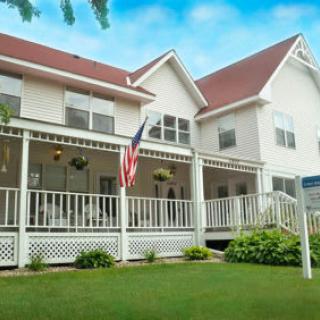
Cherrywood Pointe Minnetonka on seniors.fyi includes 10 photos including images showing nature, outdoor, tree, lake, healthcare, nurse, building, architecture, and more.
Nearby Communities
Amira Choice Minnetonka
Minnetonka, MN
4.5 from 37 reviews
Clean, relatively new facility with spacious rooms and a nice fenced patio.
Avidor Minnetonka, 55+ Active Adult Apartment Homes
Minnetonka, MN
4.8 from 43 reviews
$1,700 to $2,500 / month
Competitive pricing for 1- and 2-bedroom independent living with on-site activities and a pool.
Mncare Manor
Minnetonka, MN
4.5 from 35 reviews
$6,000 to $10,000 / month
Small, intimate board-and-care with 24/7 supervision, medication management, private suites with kitchenette, on-site activities and a garden.
Honesty Care Home
Minnetonka, MN
5 from 2 reviews
Fully furnished apartments with restaurant-style dining and 24/7 staff.
My Retirement House - Live Oak
Minnetonka, MN
$6,000 to $10,000 / month
Specialized memory care with private rooms, diabetic and incontinence support, and on-site activities in a convenient Minnetonka location.
RidgePointe
Minnetonka, MN
4.2 from 20 reviews
$1,100 to $1,835 / month
Friendly staff with a robust activity program in a clean community.
Westridge
Minnetonka, MN
4.4 from 44 reviews
Friendly, responsive staff in a clean, well-kept community with good dining.
Landings Of Minnetonka
Minnetonka, MN
4.2 from 52 reviews
Helpful, cooperative staff with engaging daily activities and good dining.
Elder Homestead
Minnetonka, MN
4.3 from 61 reviews
$3,235 to $3,545 / month
Friendly, attentive staff with good family communication and solid value for care.
Dementia, influenced by aging and certain medications, may be exacerbated by drug classes such as anticholinergics, benzodiazepines, and antipsychotics, which are associated with cognitive impairment. Regular medication reviews by healthcare professionals are crucial for older adults to manage risks and optimize cognitive health.
Dementia often results in disrupted sleep patterns, leading to excessive daytime sleeping due to factors like brain damage affecting circadian rhythms, medication side effects, and lack of structure in daily activities. Caregivers must monitor these changes closely, as oversleeping can increase risks such as malnutrition or dehydration, and provide necessary support and routines to enhance patient engagement and well-being.
The transition from assisted living to skilled nursing care is often prompted by complex medical needs that assisted living cannot meet, with key indicators including frequent health declines, increased falls, severe memory issues, and caregiver burnout. Families should recognize these signs early to discuss options with healthcare providers and prepare for the emotional and logistical aspects of moving to a facility that offers comprehensive medical support.
Get PricingAsk A QuestionSchedule A TourContact Senior Advisor
By clicking submit, you agree to our Partner's Terms of Use. You
also consent to receive calls and texts, which may be autodialed, from our Partner. Your consent is not a condition to
using our Partner's service. Please visit our Partner's Privacy Policy for information about their privacy practices.











 125 resident community capacity
 1-bedroom apartments
 Assisted Living
 Memory Care
 Air-conditioning
 Beautician on-site
 Cable or satellite TV
 Computer center
 Dining room
 Fitness room
 Full kitchen
 Fully furnished
 Gaming room
 Garden
 Housekeeping services
 Move-in coordination
 Outdoor space
 Party space
 Private bathrooms
 Restaurant-style dining
 Small library
 Telephone
 Wellness center
 Wi-Fi/high-speed internet available
 Minneapolis-St Paul International (12 miles away)
 Community operated transportation
 12-16 hour nursing
 24-hour call system
 Activities of daily living assistance
 Assistance with bathing
 Assistance with dressing
 Assistance with transfers
 Diabetes diet
 Medication management
 Mental wellness program
 Special dietary restrictions
 Transportation arrangement (medical)
 Concierge services
 Planned day trips
 Religious services
 English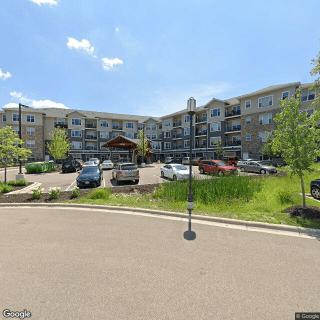
 Clean, relatively new facility with spacious rooms and a nice fenced patio.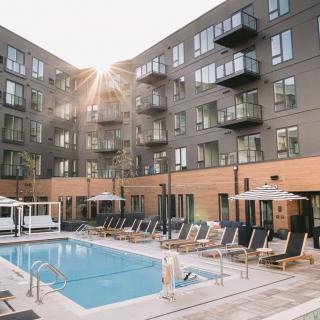



 A Thorough Discussion of Medications Potentially Linked to Dementia Risk
 Why Do Dementia Patients Sleep So Much? Understanding Oversleeping, Stages, and Care Approaches
 8 Key Indicators That Suggest It May Be Time to Transition from Assisted Living to Skilled Nursing Care