
100 Southview Dr., Hibbing, MN 55746
To contact a resident: (218) 263-8447
For more information about senior living options: (866) 208-4318
Southview Costs & Pricing
At Southview, the monthly cost for a two-bedroom unit is an affordable $541, which stands in stark contrast to the significantly higher expenses seen in both St. Louis County and Minnesota as a whole. In St. Louis County, the average monthly rent for a similar space reaches approximately $2,092, while in Minnesota, it escalates further to around $2,955. This notable disparity highlights Southview's competitive pricing and makes it an attractive option for those seeking budget-friendly living arrangements without sacrificing quality or convenience.
| Floor plans | Southview | St. Louis County | Minnesota |
|---|---|---|---|
| 2 Bedrooms | $541 | $2,092 | $2,955 |
Senior living communities with a similar price nearby
-
from +$54 / mo
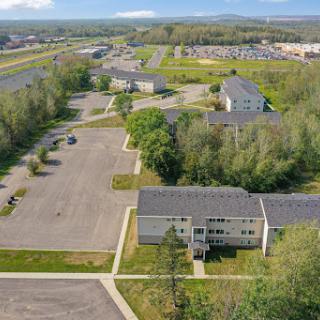
Raintree West
$595 to $700 / month16.9 miles away -
from +$19 / mo
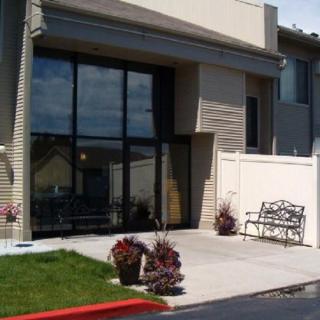
Westgate Apartments
$560 / month2.4 miles away -
from +$22 / mo
Birchwood East
$563 to $699 / month19.2 miles away -
from -$26 / mo
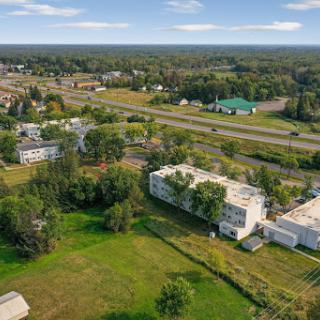
Birch Court
$515 to $4,500 / month1.9 miles away -
from +$73 / mo

Eastview
$614 to $682 / month18.5 miles away
Overall Review of Southview
Pros
 The complex has good apartments.
- The place is just fantastic.
Cons
 The complex is described as overly restrictive—no guests, candles, or noise, with eviction threats on move-in day.
- The management is alleged to stalk residents.
- Dogs are not allowed, and dog-related issues are not addressed.
- The place is said to deserve zero stars and to monitor who comes and goes.
- A neighbor’s dog is reported to relieve itself with no cleanup, and management does little about it.
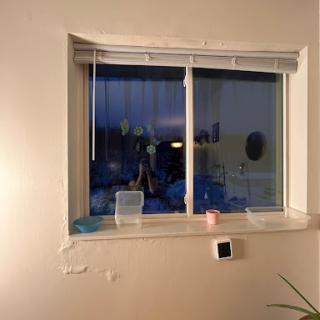
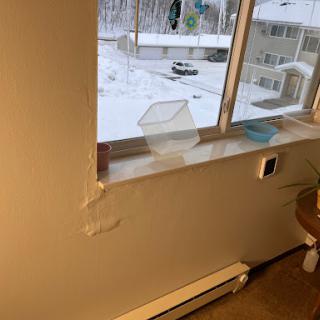
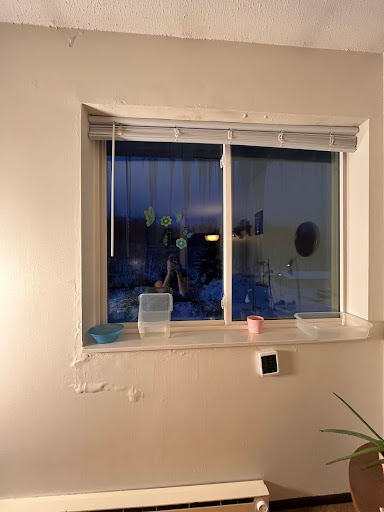
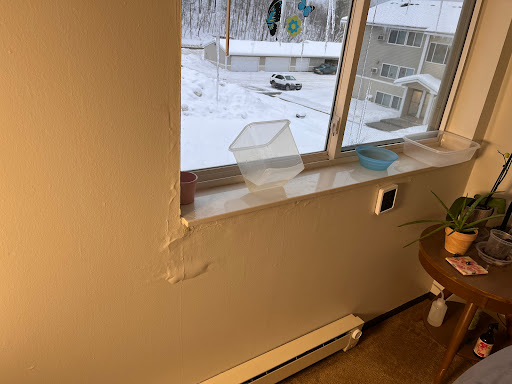
- Ice dams and window leaks go unfixed for days or months.
- Residents are charged for damage they say was reported, and being told to move out is suggested.
- Prospective renters are warned not to rent there due to rude, pushy staff, unhelpful maintenance, and outrageous rent.
Review
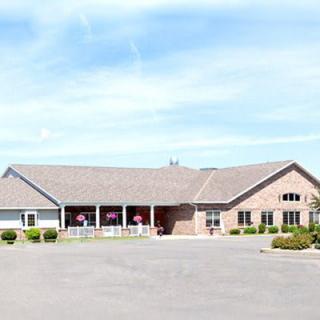
Southview in Hibbing, MN is best suited for seniors who want independent, apartment-style living under a highly controlled environment. This community clearly practices a strict rules-first model, where guest access, noise levels, and even basic freedoms inside the apartment come with heavy limitations. It appeals to residents who prize predictability and clear boundaries over social activity or flexible service levels. That means the ideal resident is someone who can accept minimal staff engagement, a formal atmosphere, and a policy framework that prioritizes enforcement over responsiveness. In short, it is a narrow niche: independent living with a heavy hand on rules, not a hub for companionship, responsive maintenance, or expansive resident autonomy.
That narrow niche, however, carries consequences. Alternatives should be strongly considered by anyone who expects readily available maintenance, respectful neighbor relations, or meaningful staff support. Individuals who rely on convenient guest access, pet-friendly settings, or timely problem resolution will likely be disappointed. Families seeking a warm, community-focused environment with proactive management, regular programming, and visible resident advocacy would be better served elsewhere. For those dealing with medical or mobility needs, or who require flexible policies to accommodate visitors or pets, the drawbacks here tend to outweigh the perceived savings in rent or the simplicity of the arrangement.
On the credit side, a couple of reviewers hint at the potential practicality of the space itself. One or two comments categorize the apartments as “good” or “just fantastic,” suggesting that the physical units can be adequate when personal interactions with management aren’t required to function well day-to-day. That sentiment implies the core living space can be sensible for someone who does not depend on a responsive property team to address issues. The degree to which a resident values the unit’s shell over the surrounding governance will largely determine whether these mixed notes count as a net positive. In other words, the physical footprint may be acceptable, but only if the surrounding management architecture doesn’t erode daily comfort.
The weight of the cons is heavy and persistent. Widespread complaints center on intrusive, adversarial management styles and overly punitive policies. Reports describe an environment where guests are curtailed, candles and noise are tightly regulated, and general movement through the building is constrained. The most piercing critique is the sense that management “stalks” residents and can pressure or push people toward leaving, an atmosphere that erodes trust and makes simple, everyday living feel precarious. Residents also recount issues with maintenance responsiveness: leaks from ice dam windows, delayed repairs, and even disputes over damage billing after reporting problems. A regional manager is named in some accounts, and the response in those interactions is described as unsympathetic or dismissive, tipping the balance toward a conclusion that complaints are not handled with care or urgency.
Another consistent thread is the sense that enforcement priorities trump resident well-being. The dog policy, where neighbors report animals as a clear source of conflict, highlights how rule enforcement can generate ongoing friction rather than resolution. The perception that staff decisions are punitive or punitive-adjacent rather than supportive leaves little margin for trust or goodwill. Coupled with a perception of high rent, the financial equation becomes unfavorable for many, especially when maintenance lags and small repairs are not promptly addressed or are charged to residents despite prior reports. For many potential movers, these factors collectively overshadow any modest conveniences the apartments might offer.
When weighing the pros against the cons, the offset rarely lands in favor of a broad range of seniors. The stable, independent-living shell can appeal to those who want to avoid assisted living’s hands-on pace, but the price is paid in accessibility to staff, flexibility, and peace of mind. The most credible path for a prospective resident is to measure personal tolerance for strict governance against the absolute need for dependable maintenance and a welcoming community. If the desire is for a calm, predictable setting with minimal surprises, and if the budget aligns with an environment where rules are non-negotiable, Southview may be passable. If vitality, warmth, responsive service, and a sense of community are non-negotiables, alternatives deserve serious consideration.
For families and seniors seriously evaluating options, a disciplined due diligence approach is essential. Ask for precise explanations of guest policies, noise rules, and the process for reporting maintenance issues, including expected timelines and accountability. Request a recent resident contact or arrange a private tour to gauge the day-to-day atmosphere, how staff interact with tenants, how disputes are handled, and whether the building feels welcoming or strained. Probe the lease for charges related to damage or disputed repairs, and confirm the exact status of any ice-dam or insulation problems so a solid remediation plan exists. Finally, compare Southview against other Hibbing-area communities with a reputational emphasis on service responsiveness, transparent communication, and resident advocacy. If those elements are non-negotiable, the search should pivot to options that place people and well-being ahead of rigid control.
 Active Adult Communities (55+)
 Cats allowed
 Dogs allowed
 Chisholm-Hibbing (5 miles away)

 Top Cars for Senior Drivers and Essential Safety Innovations
 A Closer Look at Private Pay Home Care
 Comprehensive Approaches for Arthritis: A Detailed Guide to Symptoms, Causes, and Care