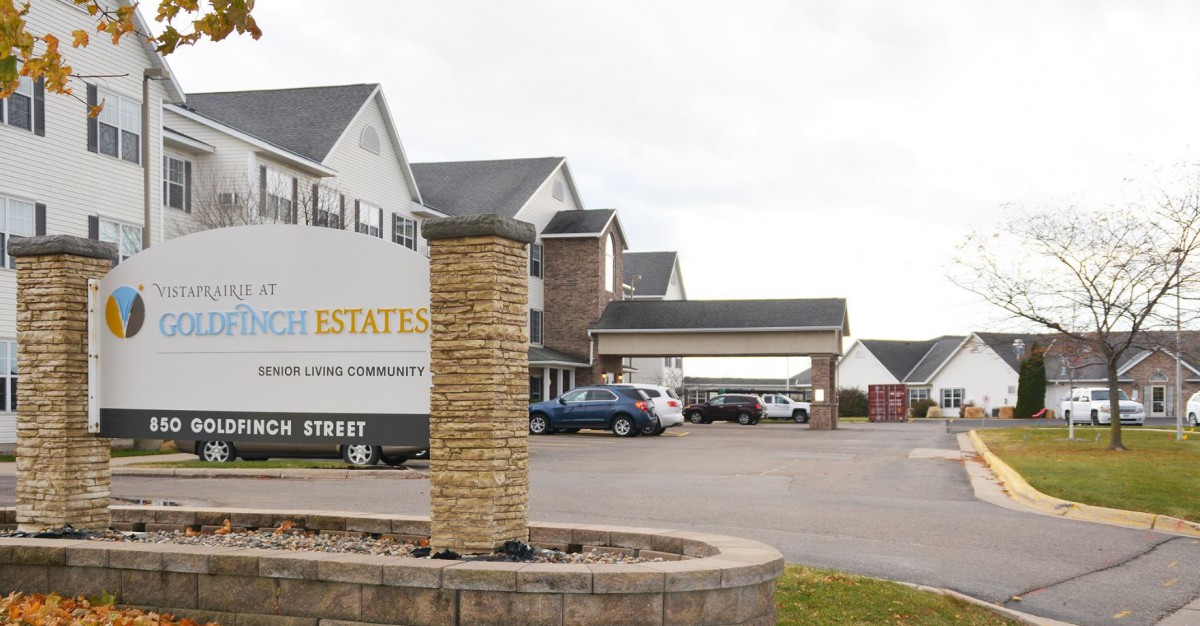
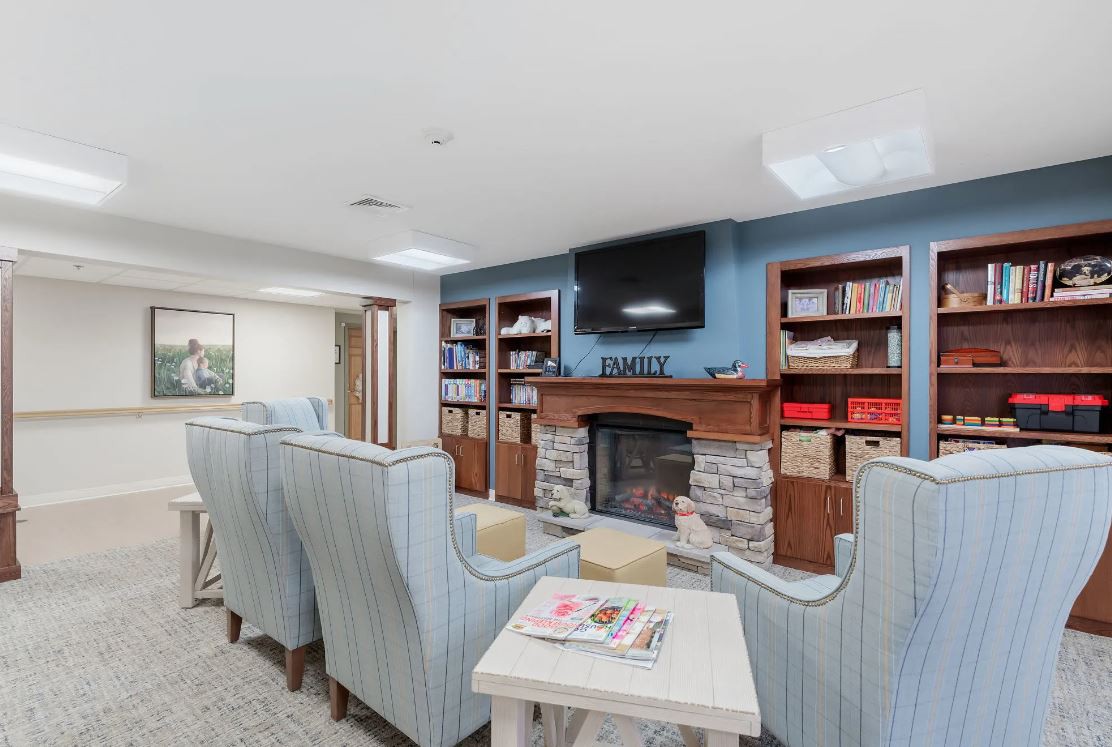

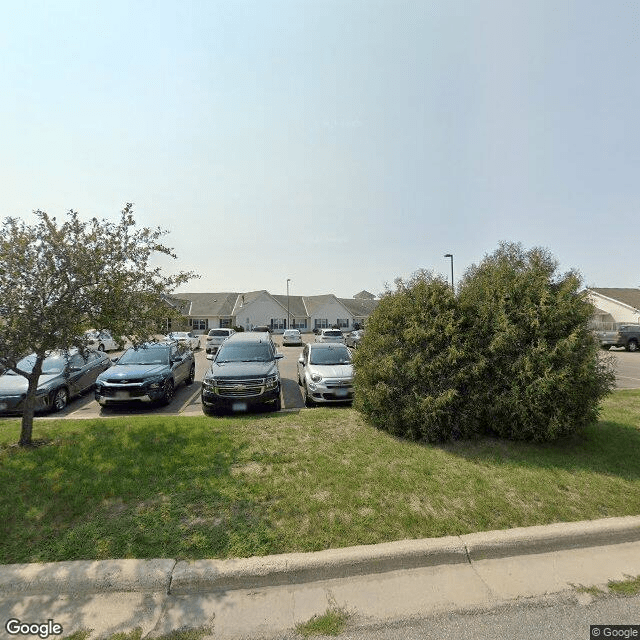
850 Goldfinch St, Fairmont, MN 56031
To contact a resident: (507) 235-9405
For more information about senior living options: (866) 208-4318

Vista Prairie at Goldfinch Estates Costs & Pricing
Vista Prairie at Goldfinch Estates offers competitive pricing for its various room types when compared to the broader market in Martin County and statewide Minnesota averages. For instance, a semi-private room is priced at $1,960, significantly lower than both the county average of $2,393 and the state average of $4,051. Similarly, the studio apartments at Vista Prairie come in at $2,380, which is more affordable than the county's $2,729 and also less than Minnesota's average of $3,617. In contrast, their one-bedroom units are priced at $2,675 - higher than Martin County's average of $1,774 but still reasonably aligned with the state's average of $2,893. Lastly, their two-bedroom option costs $3,225; while this exceeds both the county price of $2,095 and the state average of $2,955. Overall, those considering Vista Prairie will find appealing options that offer value without compromising on quality care and community living.
| Floor plans | Vista Prairie at Goldfinch Estates | Martin County | Minnesota |
|---|---|---|---|
| Semi-Private | $1,960 | $2,393 | $4,051 |
| Studio | $2,380 | $2,729 | $3,617 |
| 1 Bedroom | $2,675 | $1,774 | $2,893 |
| 2 Bedrooms | $3,225 | $2,095 | $2,955 |
Overall Review of Vista Prairie at Goldfinch Estates
Pros
 The staff at Goldfinch make transitions smooth for residents.
- Residents enjoy the activities and exercise classes, and staff are consistently prompt and helpful.
- Interactions with staff have been positive.
- The building is very clean, and staff greet residents with a smile.
- Families feel relieved knowing their loved ones are well cared for.
- Jacque responds quickly and is always helpful.
- Brody cares deeply for the community.
- The facility is nice, with professional, friendly, kind, and caring staff, and residents are well cared for.
- The community offers engaging activities such as bingo, painting, game shows, and bus outings.
- Mary Larson and the staff provide excellent placement assistance and ongoing support.
Cons
 They take more than they give and treat those who really care for the residents like trash and will throw that genuine care and love for the residents away for their own personal comfort.
- Not a place they'd recommend leaving your loved ones to be cared for.
Review
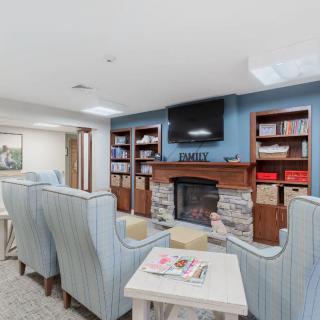
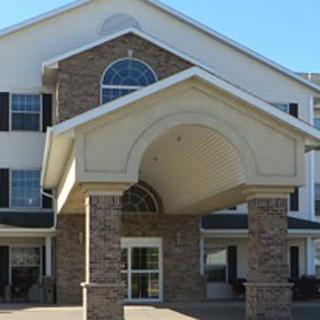
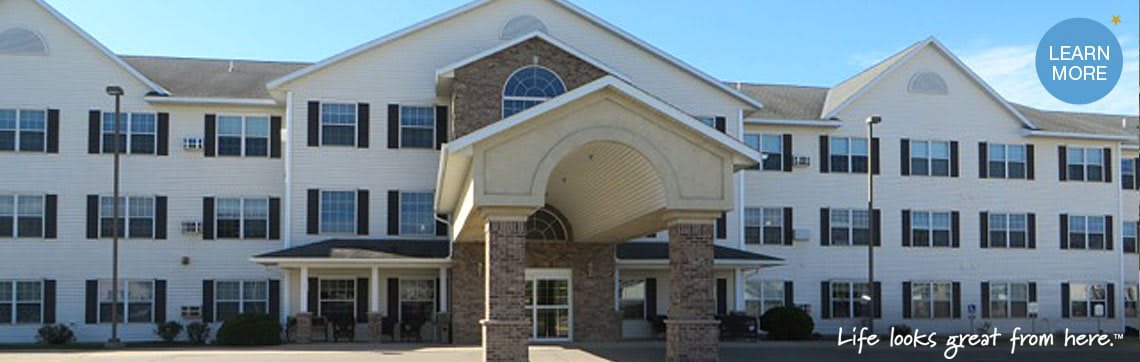
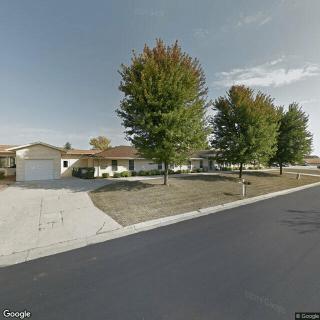
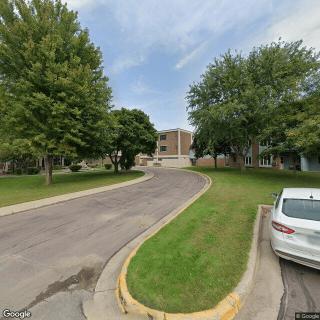
Vista Prairie at Goldfinch Estates in Fairmont, Minnesota, is best suited for families seeking a newer, well-maintained assisted living community that also offers dedicated memory-care options. It works especially well for residents who want a robust activity calendar, dependable transportation for outings, and staff who feel approachable and genuinely engaged with residents’ lives. The campus supports transitions with a person-centered ethos: the care philosophy is evident in the clean, inviting spaces, the friendly greetings from staff, and the visible emphasis on safety and dignity. Because the facility provides both assisted living and memory care on the same campus, it is particularly advantageous for families managing evolving needs, where a single point of contact can coordinate changes over time. In short, Goldfinch Estates targets those who prioritize vitality, connection, and a reassuring level of oversight without sacrificing independence.
Those who should consider alternatives are families prioritizing ultra-high clinical intensity, minimal staffing turnover, or cost structures that require truly aggressive budget negotiation. Residents with complex medical needs that demand frequent on-site physician oversight or 24/7 nursing supervision may find other communities better aligned to their acuity. Others who want a quieter, more residential vibe with fewer scheduled programs, or who value a smaller, intimate setting over a campus feel, may be better off exploring other options. Finally, families seeking a facility with a long track record of near-zero staff turnover or an established reputation for strict procedural governance should assess multiple local campuses to ensure expectations meet reality.
On the positive side, staff at Goldfinch Estates consistently come across as professional, kind, and attentive. Multiple reviews highlight how transitions into the community are eased, with staff taking time to listen, explain processes, and remember residents’ preferences. The building reads as clean, modern, and welcoming, with the atmosphere reinforcing a sense that life remains active and valued. Activity programming is a standout feature: regular exercise classes, creative sessions like painting, engaging game shows, and bus outings keep residents connected to the broader community. For memory care, caregivers are described as attentive and compassionate, maintaining dignity while promoting safety. Dining and housekeeping support round out a dependable daily experience, and the overall tone from leadership appears oriented toward genuine care rather than mere compliance.
However, not every review reflects a flawless operation. A minority voices concern that care can feel uneven when staff juggling multiple duties respond more quickly to some needs than others, and that the personal warmth directed toward residents does not always extend to every family member equitably. There are comments suggesting that staff may be stretched, or that genuine care for residents can appear compromised for the convenience of the system. While these sentiments are not the majority, they do matter in decisions where trust and long-term consistency are non-negotiable. Prospective movers should probe communication channels, incident follow-ups, and the facility’s approach to balancing resident autonomy with structured care during tours and trial periods.
When weighing pros against cons, the balance generally tips toward Goldfinch Estates’ strengths. A newer, well-kept campus reduces maintenance hassles and helps residents feel safe and comfortable from day one. The combination of a high-touch staff culture, frequent engagement, and accessible transportation creates measurable quality-of-life advantages that can offset some worries about staffing patterns. The memory-care program, in particular, appears to deliver continuity of routines and compassionate support, which matters deeply for families navigating dementia-related challenges. The robust calendar of events also provides meaningful social connections that can mitigate isolation for seniors who might otherwise be at risk of withdrawal. Still, a candid conversation about staffing expectations and care planning remains essential before making a commitment.
In the end, Goldfinch Estates stands as a practical, capable choice for families who want a contemporary option with strong staff involvement, diverse programming, and a cared-for memory-care pathway. It is especially compelling for households near Fairmont seeking convenient access and a campus where transition between services is manageable. Those with a tighter budget, higher clinical needs, or a desire for a smaller, more residential environment should compare alternatives and ask pointed questions about staffing stability, care coordination, and daily routines. With careful due diligence and clear communication, leveraged through leadership like Mary Larson and the bedside team, the community can deliver a secure, engaged home where residents thrive and families gain confidence in the care their loved ones receive.
 1-bedroom apartments
 Assisted Living
 Memory Care
 Cats allowed
 Dogs allowed
 Activities off-site
 Air-conditioning
 Bath tubs
 Beautician on-site
 Cable or satellite TV
 Computer center
 Devotional services off-site
 Dining room
 Full kitchen
 Garden
 General store
 Ground floor units
 Guest parking
 Handicap accessible
 Housekeeping services
 Indoor common areas
 Laundry
 Outdoor common areas
 Overnight guests
 Party space
 Private bathrooms
 Spa
Spa VA Benefits Consultation
 Wheelchair accessible showers
 Wi-Fi/high-speed internet available
 Transportation & parking
 Ambulatory care
 Diabetic care
 Hospice care
 Incontinence care
 Medication management
 Personal care assistants
 Physical therapy
 Guest meals
 Special dietary restrictions
 Art classes
 Book club
 Cooking club
 Day trips and outings
 Educational speakers / life long learning
 Fitness programs
 Games
Games Happy hour
 Karaoke
 Live musical performances
 Visiting chaplain or priest
 Wii bowling
 Wine tasting


 An In-Depth Look at Reminiscence Therapy in Dementia Care
 Dementia-Related Hallucinations: Causes, Experiences, and Practical Approaches
 Illuminating Insights About Alzheimer's Disease: Ten Crucial Realities