
303 Hat Trick Avenue, Eveleth, MN 55734
For more information about senior living options: (866) 208-4318
New Journey Residence Costs & Pricing
New Journey Residence presents a pricing structure that reflects its commitment to quality care and accommodations. For a studio, residents can expect to pay $4,650 per month, which is notably higher than the averages in both St. Louis County at $3,375 and across Minnesota at $3,617. The disparity becomes even more pronounced with the one-bedroom option, priced at $6,480 - significantly above St. Louis County's average of $2,731 and Minnesota's average of $2,893. While the costs are higher than local and state averages, New Journey Residence likely offers enhanced services and amenities that justify this premium pricing for those seeking a supportive living environment.
| Floor plans | New Journey Residence | St. Louis County | Minnesota |
|---|---|---|---|
| Studio | $4,650 | $3,375 | $3,617 |
| 1 Bedroom | $6,480 | $2,731 | $2,893 |
Overall Review of New Journey Residence
Pros
 New Journey's compassionate staff consistently goes above and beyond for residents.
- The staff's top priority is delivering excellent patient care tailored to each individual's wants and needs.
- The environment is welcoming and home-like, offering safety and security for loved ones.
Review
New Journey Residence in Eveleth, MN is best suited for seniors who want a highly personalized, home-like living experience with a dedicated staff that tunes care to each resident’s wants and needs. Families seeking a warm, welcoming environment where the routine feels like a gentle, secure extension of home will find this community particularly fitting. The setting and demeanor are not about spectacle; they are about quiet reliability, consistent kindness, and a sense that staff know residents well. Those needing a rigid, highly structured medical campus or a facility with extensive specialized programming should explore larger options. This residence excels in everyday comfort, while the question becomes whether that pace aligns with the resident’s clinical and social needs.
The core strength is the staff’s compassion and the commitment to patient-centered care. Reviews emphasize that staff consistently goes above and beyond, centering care on the individual’s preferences and conditions. A welcoming, home-like atmosphere is reinforced by safety and security, making family members feel confident that their loved one is in a place that values dignity and routine. The consistency of the team reduces the stress of transition and builds trust, which translates into better cooperation for daily care, medication routines, and adjustments as needs evolve. In short, relationships here are the real infrastructure, and that relational foundation matters as much as any facility feature.
Where potential families should think twice is the scale and the resulting resource envelope. A smaller operation often translates to fewer on-site specialists, limited advanced therapies, and a schedule that leans toward familiar routines rather than a full calendar of activities. If a resident requires frequent visits from multiple clinicians, rapid access to specialized memory care, or a bustling social calendar with diverse programming, alternatives that offer larger clinical teams and broader amenities may deliver more of what matters. The absence of explicit cons in the reviews isn’t a red flag; it simply signals a trade-off: warmth and attentiveness versus breadth of services. The key is aligning the resident’s medical and social demands with what the home can consistently deliver.
The positive features offset these trade-offs when the goal is stability and comfort. Individual attention means care plans can be updated quickly as conditions change, with staff who know daily routines and preferences. A home-like environment reduces confusion for residents with cognitive changes and lowers anxiety for family members, who see predictable, compassionate responses to needs. Safety and security aren’t ornamental; they underpin the ability to maintain independence at a pace that feels natural. The concrete advantages, trust, consistent care, and a sense of belonging, often overshadow the absence of large-scale amenities. For many families, the payoff is a longer, calmer quality of life for a loved one who thrives on routine and personal connection.
For families visiting, a practical checklist helps separate fit from fiction. Inquire about staff-to-resident ratios, how care plans are created and revised, and how family input is incorporated. Observe the daily flow: mealtimes, medication delivery, and opportunities for meaningful engagement. Ask about transportation options, accessibility features, and what happens if care needs escalate. If memory-related challenges are present, probe how cognitive support is structured, whether there is a dedicated memory care niche or an external referral process. Finally, assess transparency around fees, what services are included, and the process for coordinating with outside healthcare providers. A thorough tour translates into confident decision-making.
Overall, New Journey Residence stands out for seniors who prize a compassionate, home-like setting where staff really know residents and respond with warmth. The strongest case rests on the care culture: patient-centered, safe, and welcoming. Those who require aggressive clinical programming, a large community calendar, or on-site specialists should consider alternatives and compare to facilities with broader medical resources. The decision should hinge on whether daily life there feels right: the pace, the level of personal attention, and the perceived ability to maintain independence with supportive oversight. When alignment is found, this residence becomes less a place to live and more a trusted partner in daily wellbeing.
 21 resident community capacity
 Assisted Living
 Memory Care
 Beauty salon
 Cable or satellite TV
 Dining room
 Fully furnished
 Garden
 Housekeeping services
 Kitchenette
 Move-in coordination
 Outdoor space
 Telephone
 Wi-Fi/high-speed internet available
 Chisholm-Hibbing (16 miles away)
 24-hour call system
 Activities of daily living assistance
 Assistance with bathing
 Assistance with dressing
 Assistance with transfers
 Diabetes diet
 Hospice waiver
 Meal preparation and service
 Medication management
 Mental wellness program
 Special dietary restrictions
 Transportation arrangement (medical)
 Transportation to doctors appointments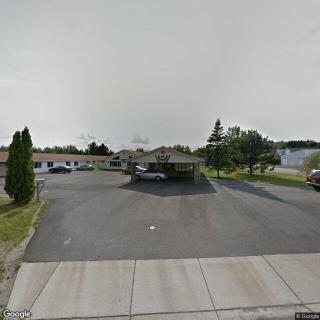



 A Detailed Exploration of Assisted Living Medicaid Waivers Across the United States
 Exploring the Contrasts Between Assisted Living and Skilled Nursing
 Vibrant Senior Living: A Comprehensive Guide for Active Older Adults