
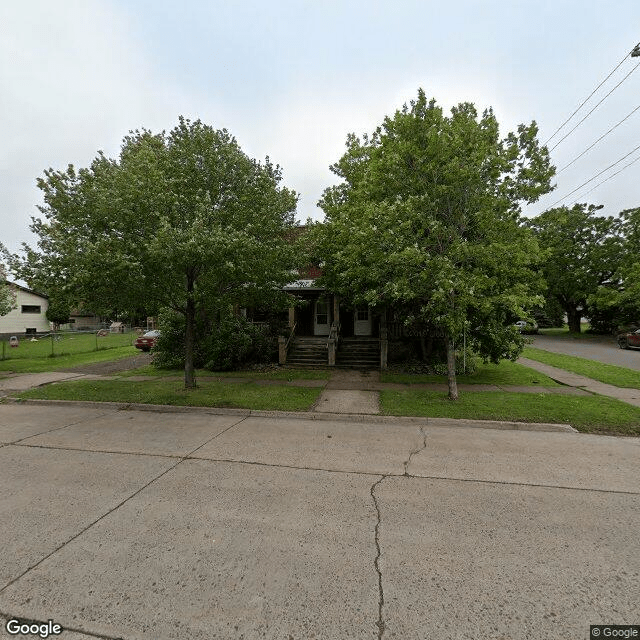
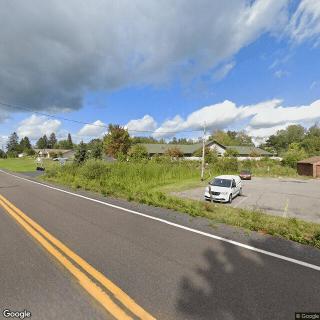
31 N 57th Ave W, Duluth, MN 55807
To contact a resident: (218) 628-0419
For more information about senior living options: (866) 208-4318
Overall Review of Cornerstone House
Pros
 Cornerstone Caregiving is a wonderful, loving company that makes residents and staff feel at home.
- They are genuine in everything they do.
- Cornerstone Caregiving is one of the best places to work, with a laid-back vibe and a supportive team.
- There is 24/7 help whenever needed, which is a huge benefit in this line of work.
- If someone stays with Cornerstone, they will grow as a caregiver, PCA, or CNA, building real skills and creating lasting memories.
- The caregivers assigned are kind, patient, and treat loved ones with dignity and respect, giving families peace of mind.
Review
This community is best suited for seniors and families who want to stay in a home setting while receiving highly personalized, around-the-clock support. The reviews portray Cornerstone Caregiving as a genuinely caring operation that makes residents and staff feel at home, with a team that feels authentic in every interaction. For families weighing assisted living alternatives, this model delivers safety, companionship, and dignity through a dedicated 24/7 support network. If independence is desired but with proactive hands-on help, medication reminders, meal prep, and daily assistance, this option is a compelling fit.
Those who may want to consider alternatives are those seeking a traditional campus-style assisted living experience with built-in social programs, centralized dining, and on-site medical supervision. The material emphasizes in-home caregiving rather than a multi-room community, so residents who crave structured activity calendars, group outings, or more extensive on-site medical oversight may find the fit less optimal. For highly complex medical needs or a desire for a larger, more autonomous community with formal memory care pathways, traditional facilities could offer clearer expectations.
The strongest pros hinge on a dependable, compassionate care team and the peace of mind that comes with 24/7 availability. Caregivers are described as kind, patient, and respectful, with families noting that their loved ones are treated with dignity and personal attention. This environment not only nurtures comfort and safety but also supports families by providing consistent communication and a reliable safety net after hours. The emphasis on meaningful, respectful interactions and practical help, ranging from medication reminders to meal preparation and companionship, translates into a noticeably reassuring care experience.
The primary cons, inferred from the reviews, center on the inherent limitations of a home-based caregiving model: fewer built-in social programs and activities typical of a larger community, and care quality that can hinge on which caregiver is assigned on any given day. The absence of a campus-level infrastructure means opportunities for organized group events or on-site clinical oversight are not the same as those found in traditional assisted living. Additionally, the effectiveness of care may depend on caregiver continuity and coverage, factors that families should confirm upfront.
Yet these potential drawbacks are substantially offset by the program’s core strengths. The home-like atmosphere and the deeply personal approach cultivate steady, trustworthy relationships between residents and caregivers, which enhances security and comfort more than any generic service ever could. The 24/7 support feature directly mitigates anxieties about nighttime needs or emergencies, while the dignified, respectful care style helps residents maintain independence and a sense of autonomy within a supported framework. In short, the model prioritizes quality of life and consistent trust, which often outweighs the absence of campus amenities.
For families deciding, the practical takeaway is clear. If the priority is to preserve home-like living with unsurpassed caregiver availability and a culture of genuine care, Cornerstone House through Cornerstone Caregiving stands out as a top choice. If instead the decision hinges on a traditional assisted living footprint with abundant social programming and centralized medical services, explore other communities that offer a robust activities calendar and on-site clinical oversight. Key questions to ask include: how caregiver assignments are managed and how continuity is maintained, what supervisory oversight exists, exact 24/7 response protocols, care planning processes, and how transitions between shifts are handled. In weighing options, this provider’s demonstrated commitment to compassionate, respectful care and flexible, around-the-clock support should weigh heavily in favor of the home-care path for suitable seniors.
 Assisted Living
 Activities on-site
 Devotional services off-site
 Indoor common areas
 Duluth International (7 miles away)
 Ambulatory care
 Diabetic care
 Meals provided


 Assisted Living Support for Veterans: A Complete and Detailed Overview
 Exploring the Contrasts Between Assisted Living and Skilled Nursing
 8 Key Indicators That Suggest It May Be Time to Transition from Assisted Living to Skilled Nursing Care