New Perspective Senior Living | Cloquet/Barnum Costs & Pricing
New Perspective Senior Living in Cloquet/Barnum offers competitive pricing for its residential options, particularly when compared to both St. Louis County and the broader state of Minnesota. For a semi-private room, residents pay $3,109 per month, which is notably lower than the county average of $3,432 and significantly more affordable than the state average of $4,051. Meanwhile, the studio option is priced at $3,903 - slightly above the county's average of $3,375 but within a reasonable range compared to Minnesota's state average of $3,617. Overall, New Perspective provides a compelling value for prospective residents seeking quality senior living accommodations in a supportive environment.
Floor plans
New Perspective Senior Living | Cloquet/Barnum
St. Louis County
Minnesota
Semi-Private
$3,109
$3,432
$4,051
Studio
$3,903
$3,375
$3,617
Memory care communities with a similar price nearby
Overall Review of New Perspective Senior Living | Cloquet/Barnum
caveat3 reviews mention this
Care team needs stronger dementia training
Several residents’ families say dementia care training and follow-through fall short at times.
In memory care, some families report difficulties getting staff to manage basic care needs for people with dementia. A few reviewers also describe de-escalation calls and worry that staff are not adequately trained for dementia-related behaviors. Others still describe compassionate care, but these concerns come up often enough to treat as a real risk area.
caveat5 reviews mention this
Communication and follow-through vary
Some families describe inconsistent communication and slow follow-through on requests.
Several reviewers mention frustration with getting in touch, including phone calls not returned and messages going to voicemail. Others describe a gap between staff stating they will do something and the request being completed, including trouble accessing or receiving care-plan information. A few experiences were more positive, with reviewers saying the team was available and responded quickly, but overall communication quality appears inconsistent.
caveat6 reviews mention this
Activities feel limited for some needs
Residents’ activities can feel limited, especially for people needing dementia-appropriate options.
Multiple reviews say there are not enough activities, with one describing very few options for residents with very little cognitive ability. At least a couple reviewers also wish there were more suitable activities for early-stage Alzheimer’s, noting that many residents mainly watch TV or listen to music. Other reviewers counter that the community offers things to try and runs recurring group activities, so the day-to-day experience may depend on the resident’s stage and preferences.
common8 reviews mention this
Cleanliness is a consistent highlight
Residents and visitors repeatedly mention the community is clean and well kept.
Several reviewers describe the facility as clean, spotless, and well organized when they visit. A few also mention positive sensory details, like not noticing unpleasant odors. Even the more critical tour impression included a concern about cleanliness or the smell, which suggests cleaning and odor control are noticeable to families one way or another.
common24 reviews mention this
Staff caring and responsiveness stand out
Many families describe genuinely caring staff who treat residents with respect.
Across reviews, families frequently praise staff as friendly, attentive, and willing to help, including making residents feel known and comfortable. Some reviewers also emphasize the day-to-day support, like staff ensuring residents eat, take medications, and can participate in desired activities. While a few reviews raise concerns about dementia training or follow-through, the overall pattern still centers on caring, respectful interactions.
caveat2 reviews mention this
Cost runs higher than expected
Two families call out the pricing as higher than expected for what they received.
Some reviewers describe the facility as extremely expensive and say they expected more value, including wanting better support for medical needs. Another review also flags that the community was more expensive than anticipated, though it acknowledges that the higher cost was expected for memory care. If you’re comparing options, these comments suggest you may want to review pricing and care-plan details closely before deciding.
How we summarize
Counts show how many written reviews mention each theme; a review can touch several themes, and only frequently mentioned themes are displayed.
Features
Types of Care
Assisted Living
Memory Care
Amenities
Activities off-site
Activities on-site
Air-conditioning
Beautician on-site
Cable or satellite TV
Devotional services on-site
Ground floor units
Handicap accessible
Indoor common areas
Kitchenette
Outdoor common areas
Respite or short term stays offered
Wheelchair accessible showers
Wi-Fi/high-speed internet available
Transportation
Duluth International (14 miles away)
Care Services
Diabetic care
High acuity care
Incontinence care
Medication management
Dining
Guest meals
Meals provided
Special dining programs
Activities
Bible study group
Catholic services
Day trips and outings
Devotional activities on-site
Happy hour
Karaoke
Live dance or theater performances
Live musical performances
Live well programs
Other religious services
Protestant services
Visiting chaplain or priest
Nearby Places of Interest
This part of Cloquet, Minnesota, offers a variety of amenities and services that cater to senior living needs. There are several places of worship nearby for spiritual fulfillment, as well as numerous physicians and healthcare facilities within close proximity for medical care. The area also boasts several pharmacies for convenient access to medications. For leisure and recreation, there are cafes, restaurants, and parks within short distances, providing opportunities for social gatherings and outdoor activities. Additionally, transportation options such as the Cloquet Carlton County Airport make traveling easy and accessible. Overall, this part of Cloquet provides a convenient and comfortable setting for seniors looking to reside in a welcoming community with essential services nearby.
Places of Worship
Our Redeemer Lutheran Church (0.3 miles)
Queen of Peace Parish (1.2 miles)
Bethany Evangelical Covenant (1.3 miles)
Holy Family Mission (1.8 miles)
Saint Francis Catholic Church (5.3 miles)
St Francis Church (6 miles)
Big Lake Covenant Church (6.7 miles)
Physicians
Raiter Clinic (0.4 miles)
James A Rogers (0.4 miles)
Kenneth M Ripp (0.4 miles)
David D Luehr (0.4 miles)
Community Memorial Hospital General - Brance Modin MD (0.4 miles)
New Perspective Senior Living in Cloquet/Barnum offers competitive pricing for its residential options, particularly when compared to both St. Louis County and the broader state of Minnesota. For a semi-private room, residents pay $3,109 per month, which is notably lower than the county average of $3,432 and significantly more affordable than the state average of $4,051. Meanwhile, the studio option is priced at $3,903 - slightly above the county's average of $3,375 but within a reasonable range compared to Minnesota's state average of $3,617. Overall, New Perspective provides a compelling value for prospective residents seeking quality senior living accommodations in a supportive environment.
Medication management at New Perspective Senior Living | Cloquet/Barnum ensures that residents receive the correct dosages of their prescribed medications at designated times, which is crucial for individuals with dementia or Alzheimer's disease, as they may struggle to remember when to take their medications. This reduces the risk of medication errors and promotes overall health stability. Additionally, incontinence care is essential in providing residents with dignity and comfort, as those suffering from memory-related conditions may face challenges in managing personal hygiene. By offering compassionate assistance with incontinence needs, staff can help alleviate anxiety and maintain a positive quality of life, allowing residents to focus on engaging positively in daily activities without the stress of potential accidents. Together, these features support both physical health and emotional well-being for individuals with memory impairments.
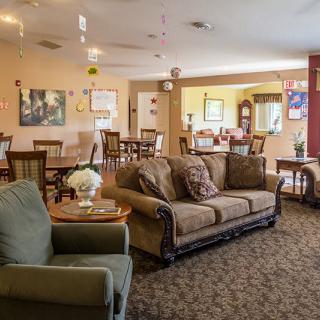
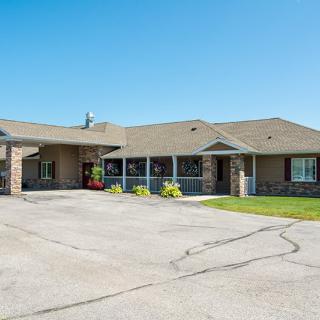
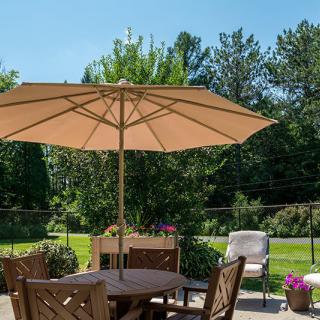
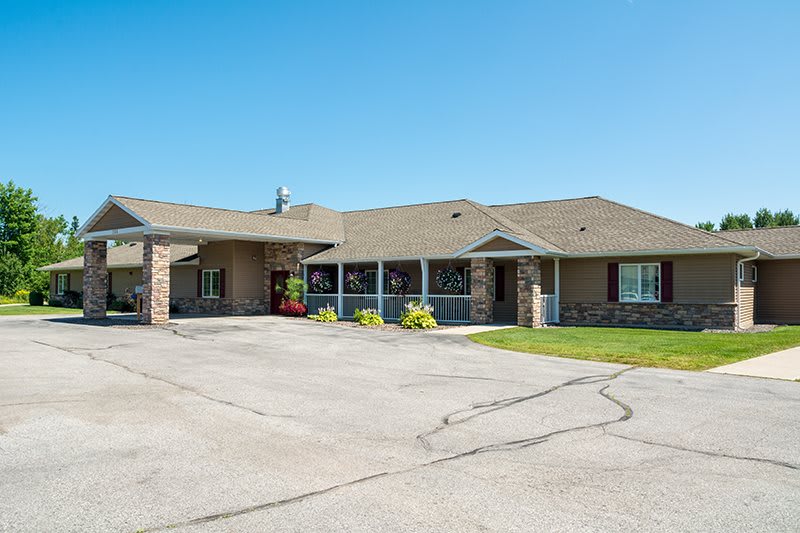
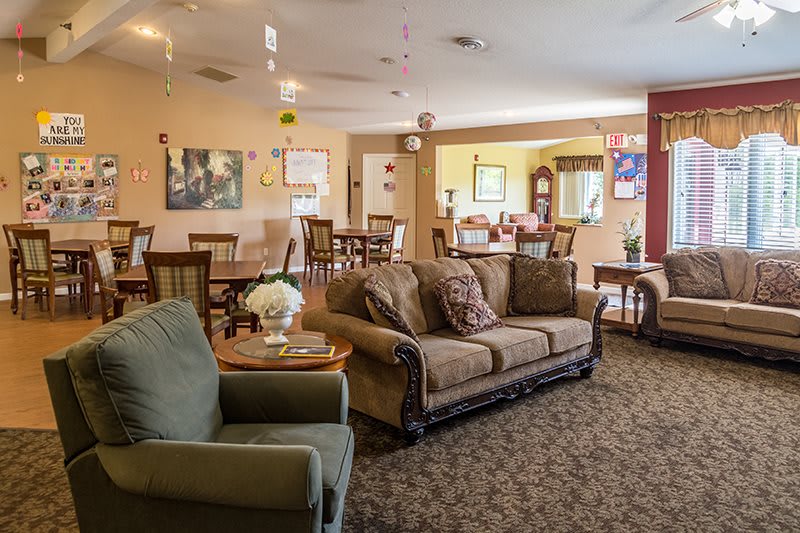
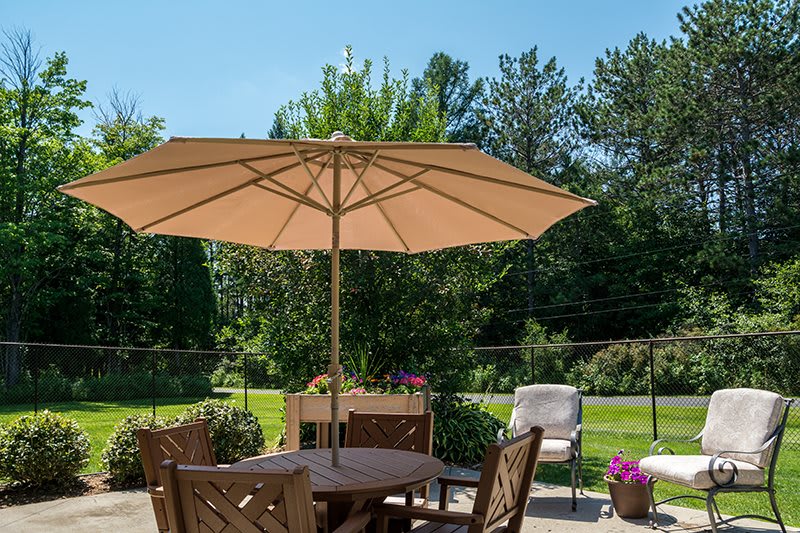
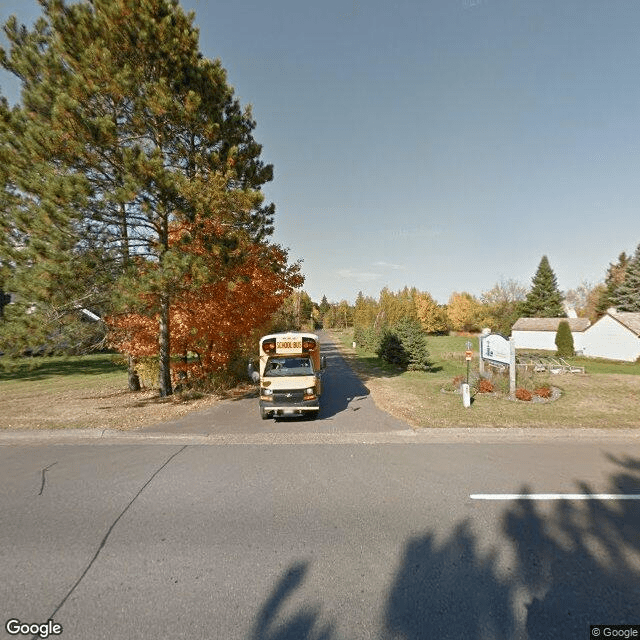
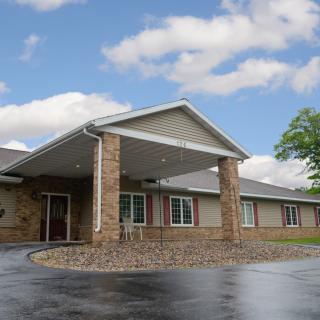
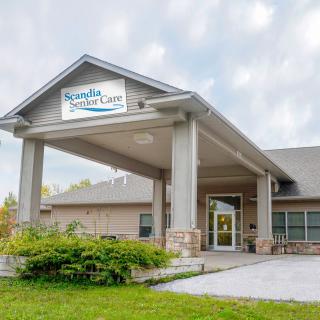
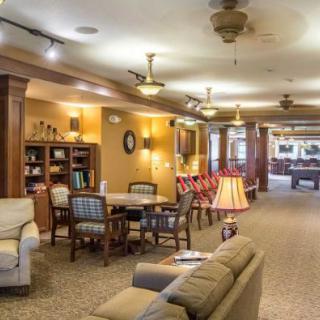
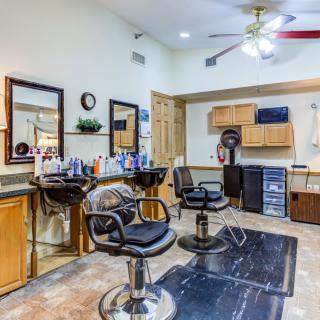
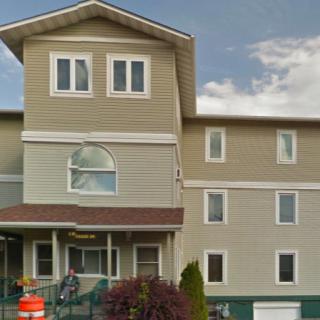
New Perspective Senior Living | Cloquet/Barnum on seniors.fyi includes 4 photos including images showing building, architecture, exterior, living room, interior, dining, decor, patio, and more.
Nearby Communities
New Perspective - Cloquet & Ba
Cloquet, MN
Memory-care focused with 24/7 supervision and tailored activities.
Cloquet
CLOQUET, MN
Memory care with 24/7 supervision and medical transport
Sunnyside Health Care Center
Cloquet, MN
Fully furnished apartments with 24-hour supervision and restaurant-style dining.
Diamond Willow Assisted Living of Cloquet
Cloquet, MN
4.3 from 6 reviews
$7,200 / month
Specialized memory care with diabetic care and engaging activities
Diamond Willow of Cloquet
Cloquet, MN
4.5 from 8 reviews
Friendly, attentive staff and a home-like environment.
Hyva Home
Cloquet, MN
Personalized assisted living with diabetic care and on-site activities.
Diamond Willow Assisted Living of Proctor
Proctor, MN
2.6 from 16 reviews
$6,400 to $6,950 / month
Caring staff, warm community, and engaging activities.
Scandia Senior Care of Proctor
Proctor, MN
4.5 from 15 reviews
$3,198 / month
Friendly staff and good dining with engaging activities.
Garden House Estates
Duluth, MN
4 from 20 reviews
Caring, attentive staff in a warm, home-like atmosphere.
Dementia, influenced by aging and certain medications, may be exacerbated by drug classes such as anticholinergics, benzodiazepines, and antipsychotics, which are associated with cognitive impairment. Regular medication reviews by healthcare professionals are crucial for older adults to manage risks and optimize cognitive health.
Dementia often results in disrupted sleep patterns, leading to excessive daytime sleeping due to factors like brain damage affecting circadian rhythms, medication side effects, and lack of structure in daily activities. Caregivers must monitor these changes closely, as oversleeping can increase risks such as malnutrition or dehydration, and provide necessary support and routines to enhance patient engagement and well-being.
The transition from assisted living to skilled nursing care is often prompted by complex medical needs that assisted living cannot meet, with key indicators including frequent health declines, increased falls, severe memory issues, and caregiver burnout. Families should recognize these signs early to discuss options with healthcare providers and prepare for the emotional and logistical aspects of moving to a facility that offers comprehensive medical support.
New Perspective Senior Living | Cloquet/Barnum photos
×
Interior
Building
Garden
Interior, Decor, Dining, and Living Room
Building, Architecture, and Exterior
Garden, Patio, and Outdoor Furniture
Get PricingAsk A QuestionSchedule A TourContact Senior Advisor
By clicking submit, you agree to our Partner's Terms of Use. You
also consent to receive calls and texts, which may be autodialed, from our Partner. Your consent is not a condition to
using our Partner's service. Please visit our Partner's Privacy Policy for information about their privacy practices.


 Assisted Living
 Memory Care
 Activities off-site
 Air-conditioning
 Beautician on-site
 Cable or satellite TV
 Devotional services on-site
 Ground floor units
 Handicap accessible
 Indoor common areas
 Kitchenette
 Outdoor common areas
 Respite or short term stays offered
 Wheelchair accessible showers
 Wi-Fi/high-speed internet available
 Duluth International (14 miles away)
 Diabetic care
 High acuity care
 Incontinence care
 Medication management
 Guest meals
 Bible study group
 Day trips and outings
 Happy hour
 Karaoke
 Live dance or theater performances
 Live musical performances
 Live well programs
 Memory-care focused with 24/7 supervision and tailored activities.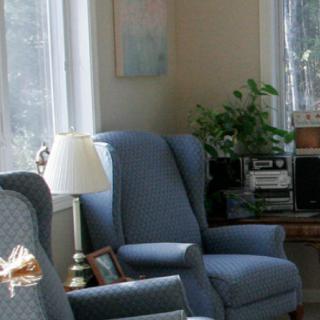
 A Thorough Discussion of Medications Potentially Linked to Dementia Risk
 Why Do Dementia Patients Sleep So Much? Understanding Oversleeping, Stages, and Care Approaches
 8 Key Indicators That Suggest It May Be Time to Transition from Assisted Living to Skilled Nursing Care