
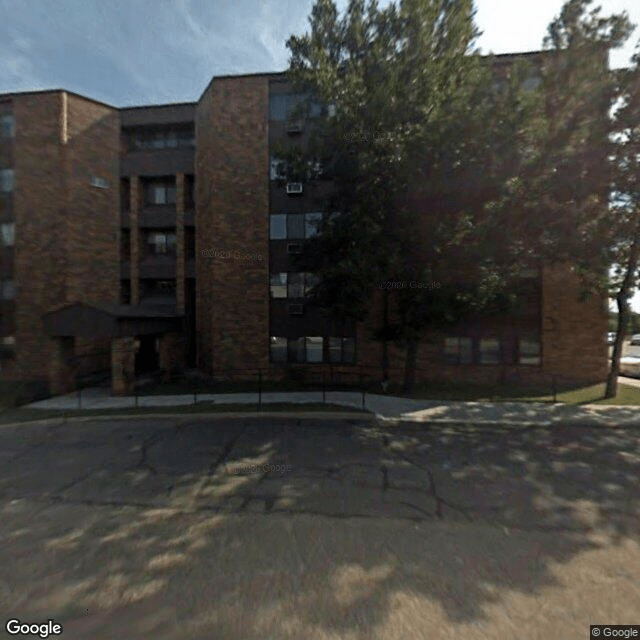
100 N. Central Ave, Chisholm, MN 55719
To contact a resident: (218) 254-4590
For more information about senior living options: (866) 208-4318
Lakeside Manor/Lincoln Center Costs & Pricing
Lakeside Manor/Lincoln Center offers remarkably competitive pricing in comparison to both St. Louis County and the broader Minnesota market. For a one-bedroom unit, residents at Lakeside Manor pay just $575 per month, significantly lower than the county average of $2,731 and the state average of $2,893. Similarly, two-bedroom units are available for $715, which again stands in stark contrast to St. Louis County's average of $2,092 and Minnesota's average of $2,955. These price points reflect a fantastic value for prospective tenants seeking affordability without sacrificing quality in their living environment.
| Floor plans | Lakeside Manor/Lincoln Center | St. Louis County | Minnesota |
|---|---|---|---|
| 1 Bedroom | $575 | $2,731 | $2,893 |
| 2 Bedrooms | $715 | $2,092 | $2,955 |
Senior living communities with a similar price nearby
-
from +$20 / mo
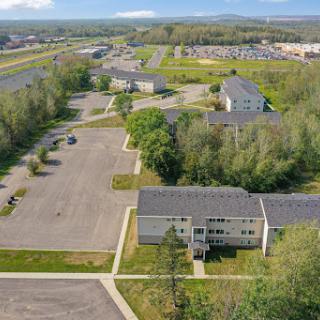
Raintree West
$595 to $700 / month13.9 miles away -
About the same
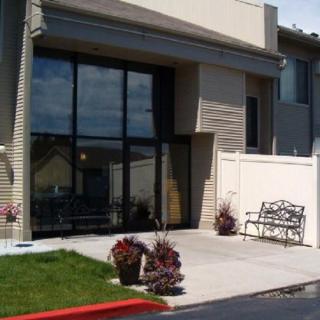
Westgate Apartments
$560 / month7.0 miles away -
About the same
Birchwood East
$563 to $699 / month16.8 miles away -
from -$34 / mo

Southview
$541 / month4.7 miles away -
from -$60 / mo
Birch Court
$515 to $4,500 / month6.6 miles away
Overall Review of Lakeside Manor/Lincoln Center
Pros
 Lucinda is truly an angel.
Cons
 Upper management abuses the powers they have.
- It is not an equal or comfortable place to rent from.
- Maintenance cannot keep up with work orders as the buildings age.
- Leaking ceilings are common on the upper floors of nearly every building.
- Mildew makes the living environment unhealthy.
Review
Lakeside Manor/Lincoln Center is best suited for seniors who prize genuine warmth from frontline staff and are willing to tolerate aging infrastructure in exchange for a personally attentive living environment. The standout in the community is the on-site caregiver who forms real connections with residents, a relational strength that can make daily routines feel smoother and less isolating. That personal touch matters, especially for residents who rely on caregivers for reminders, encouragement, and a sense of companionship. Yet this strength does not erase the broader realities at play: aging buildings, uneven upkeep, and a management climate that has left residents feeling unequal or uncertain about fairness.
Those who should seriously consider alternatives are families prioritizing governance, consistency, and pristine conditions. If transparent, fair policies and visible, reliable maintenance are nonnegotiable, this is a signal to look elsewhere. Prospective residents who need airtight accountability, from rent practices to service charges, will want a community where upper management earns trust through steady, predictable actions. For anyone with health concerns sensitive to dampness or mold, the current maintenance trajectory raises red flags that may outweigh any momentary caregiver warmth.
The main pros, most notably compassionate on-site staff and a feeling of personal connection, do provide a tangible cushion in daily life. This warmth can translate into better mood, easier management of daily routines, and a sense of being cared for as an individual rather than just another tenant. However, the counterweight comes from management dynamics and the perception of unequal treatment, which can undermine the very trust that care staff strive to build. When the user experience swings toward administrative overreach or inconsistent enforcement of rules, even excellent personal care struggles to compensate for a fragile sense of security and fairness.
Maintenance realities dominate the risk profile here. The buildings are aging, and work orders often lag behind. Leaks on upper floors and mildew are recurring complaints that translate into discomfort, health concerns, and the sense that the environment is not fully safe or healthy. These conditions inevitably affect everyday life, from the comfort of a residentā€™s apartment to the feasibility of inviting visitors or hosting small gatherings. The combination of structural wear and dampness creates ongoing expenses for residents, even if the rent appears modest, and it requires a proactive, perhaps even assertive, stance from families to ensure issues are prioritized and resolved.
For families weighing the decision, a practical checklist is essential: request a detailed, written maintenance plan with timelines for outstanding leaks and mold remediation; ask for a recent schedule of capital improvements and anticipated upgrades; tour both common spaces and a sample unit with maintenance staff in attendance; inquire about the grievance process, resident rights, and how disputes with upper management are resolved; seek candid feedback from current residents about responsiveness and fairness. If a move is time-sensitive, factor in how quickly facility leadership can demonstrate accountability and clear steps to improve conditions. Without measurable, ongoing improvements, the positives are unlikely to outweigh the persistent environmental and governance concerns.
In the end, Lakeside Manor/Lincoln Center holds appeal for families who can anchor hope in a caring, approachable frontline team while accepting that aging facilities and unsettled management practices require vigilance and patience. For those who insist on consistent governance, transparent policies, and a consistently healthy living environment, pursuing alternatives, whether a newer facility or one with a proven track record of maintenance and resident rights enforcement, will yield greater long-term confidence. The rating baseline suggests respectable service in pockets, but the practical choice hinges on whether the current maintenance and governance gaps can be meaningfully closed.
 Active Adult Communities (55+)
 Cats allowed
 Dogs allowed
 Air-conditioning
 Cable or satellite TV
 Full kitchen
 Ground floor units
 Handicap accessible
 Wheelchair accessible showers
 Chisholm-Hibbing (7 miles away)
 BBQs or picnics

 Senior Move Management: Understanding the Role, Value, and Associated Costs
 Weight Training for Seniors: Building Strength and Vitality
 Understanding the Sandwich Generation: Stress and Responsibilities for Multigenerational Caregivers