
451 East Travelers Trail, Burnsville, MN 55337
For more information about senior living options: (866) 208-4318
Overall Review of Augustana Emerald Crest Burnsv
Pros
 Emerald Crest provides a safe, healthy environment for loved ones.
- The staff—nurses Lindsay and Javier, Chaplain Solen, and caregiver Binki—are amazing.
- They offer dedicated spiritual care, with a phenomenal chaplain engaging residents.
- The care feels like family; the staff truly cares about residents and their families.
- The memory-care program is organized into stage-specific houses with private rooms and home-like common areas.
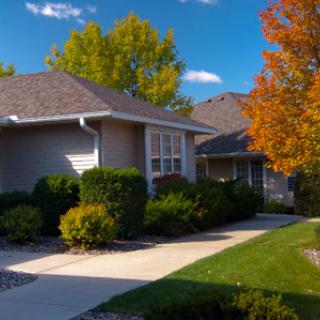
- The grounds are beautiful and peaceful, with large outdoor spaces, pine trees, ponds, and benches.
- They provide comprehensive services and amenities, including weekly hair styling and an on-site beauty shop, with well-trained, cross-location staff.
Cons
 One reviewer reported a male caregiver handled the resident roughly, prompting a switch to female caregivers only.
 - The reviewer said promised monthly cost reductions of $400 were never realized and that the initial quotes were not accurate.
- Another reviewer stated there was no follow-up call after the loved one’s death.
- A reviewer described moving the resident to another building with the room not ready and arriving in disarray.
- They noted staff did not hang photos or prepare the room as promised, and the family had to organize the setup themselves.
- A reviewer claimed management seemed more focused on the bottom line than on resident needs.
Review
Augustana Emerald Crest Burnsville is best suited for families seeking a memory-care focused community that treats dementia as the central care need, not an afterthought. The campus breaks dementia care into five one-story houses organized by stage, early, moderate, and late, so residents live with peers at similar acuity. Each resident has a private bedroom, with common living areas, a dining room, and a fenced outdoor space that supports calm routines and predictable social moments. Licensed nurses supervise personal care, with caregivers described as compassionate and steady. A chaplain and spiritual programming run through the experience, and families can stay connected through a private updates channel. This is a purpose-built, home-like environment for memory care first and foremost.
Those weighing alternatives should consider whether a broader assisted-living or skilled-nursing option is truly unnecessary. Emerald Crest’s strength is specialized memory care, but it is not a general-purpose assisted-living campus. Several reviews flag governance and communication as areas needing attention, including instances where cost promises were not honored or transitions between buildings were not handled with the level of transparency expected. For families that require rigorous, written policies, proactive governance, and immediate escalation when plans change, alternatives with more predictable oversight may be worth exploring. The care model here rewards families who are comfortable with a single-minded dementia focus and value consistency across locations.
The core advantages are tangible and meaningful. The five-house layout minimizes cross-population disruption, allowing staff to tailor activities and routines to a resident’s stage. The combination of licensed nursing oversight and seasoned caregivers translates into reliable daily care, with a strong emphasis on safety and dignity. Residents have their own private rooms with baths, while shared spaces, living rooms, dining areas, and a sunroom, create familiar rhythms for meals, conversations, and activities. On-site touches like a weekly hair stylist and an in-house beauty shop reduce transportation needs and help residents feel polished and comfortable. The spiritual element, reinforced by the chaplain’s engagements, adds emotional and existential support that families often value deeply.
However, not every note is flawless. A negative incident involving a male caregiver raises legitimate safety concerns, prompting a switch to female staff for the resident involved. Cost discussions in one case did not materialize as promised, which can erode trust when planning budgets. Transitions between levels of care or moving a resident to a different building were not always executed with the anticipated planning or communication, leaving families to manage parts of the setup themselves. These gaps are serious and should be addressed with a clear, written plan and an explicit communication protocol before move-in.
Despite those concerns, the program’s benefits frequently offset the drawbacks for families prioritizing memory-care fidelity. The dedicated, stage-specific care reduces confusion and agitation, while staff continuity, sometimes across multiple Emerald Crest locations, keeps care consistent during acuity changes. The home-like design, privacy, and localized activities support meaningful engagement and reduce residential stress. When governance and communication are robust, the combination of professional nursing, compassionate caregiving, and spiritual programming becomes a substantial, differentiating factor in daily quality of life for residents.
For families making a decision, Emerald Crest Burnsville offers a compelling, purpose-built option for dementia care with a comforting, home-like atmosphere and a clear emphasis on stage-appropriate living. The prudent path includes demanding a precise, written cost structure, clear policies on transitions between houses, and a documented plan for incident reporting and follow-up. Visit with questions about staff-to-resident ratios, the use of agency staff, and how leadership regularly communicates with families. If true memory-care fidelity, consistent staffing, and a faith-informed, community-oriented environment are non-negotiables, this community earns strong consideration; if price transparency and governance reliability are non-negotiable, families should also explore alternatives before deciding.
 21 resident community capacity
 Assisted Living
 Memory Care
 Skilled Nursing Facility
 Beauty salon
 Cable or satellite TV
 Dining room
 Fully furnished
 Garden
 Housekeeping services
 Kitchenette
 Move-in coordination
 Outdoor space
 Telephone
 Wi-Fi/high-speed internet available
 Minneapolis-St Paul International (8 miles away)
 24-hour call system
 Activities of daily living assistance
 Assistance with bathing
 Assistance with dressing
 Assistance with transfers
 Diabetes diet
 Hospice waiver
 Meal preparation and service
 Medication management
 Mental wellness program
 Special dietary restrictions
 Transportation arrangement (medical)
 Transportation to doctors appointments
 English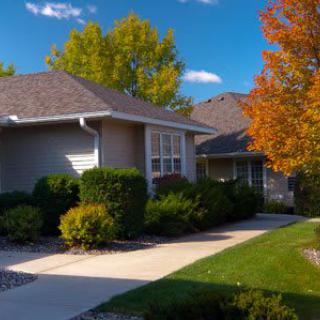


 22 Remarkable Caregiver Support Groups Available Online and In-Person
 Understanding Medicaid Coverage for Assisted Living: A Comprehensive Guide
 How and When Medicaid May Cover Assisted Living Costs