

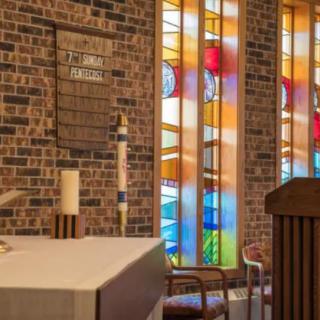
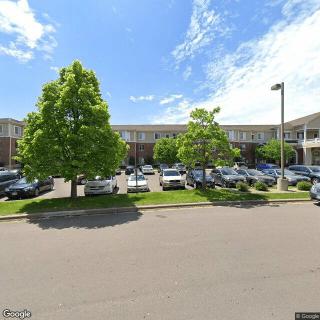
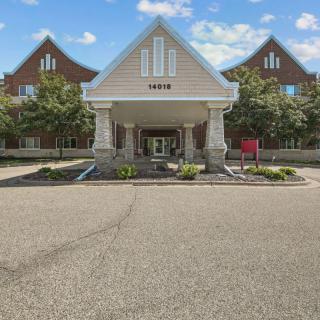
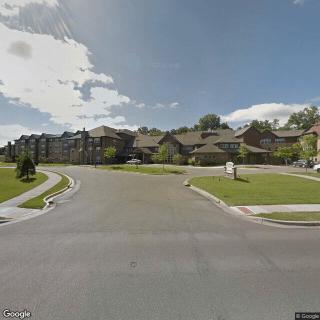
13897 Community Drive, Burnsville, MN 55337
For more information about senior living options: (866) 208-4318
Overall Review of Arbors at Ridges Assisted Living
Pros
 Arbors at Ridges provides a fantastic experience on many levels.
- Residents thrive and get involved, gaining a new lease on life.
- The staff are kind, patient, and passionate about their work.
- The community feels like a big, happy family.
- The staff are fabulous, friendly, and caring.
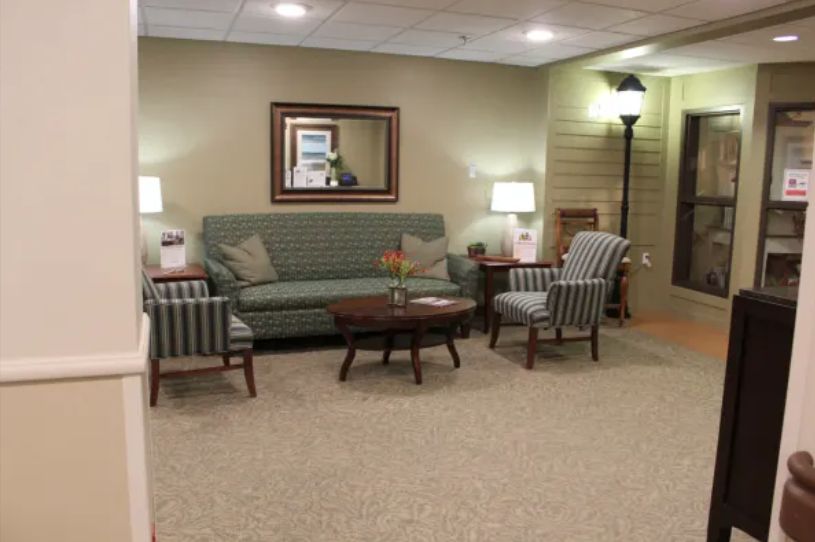
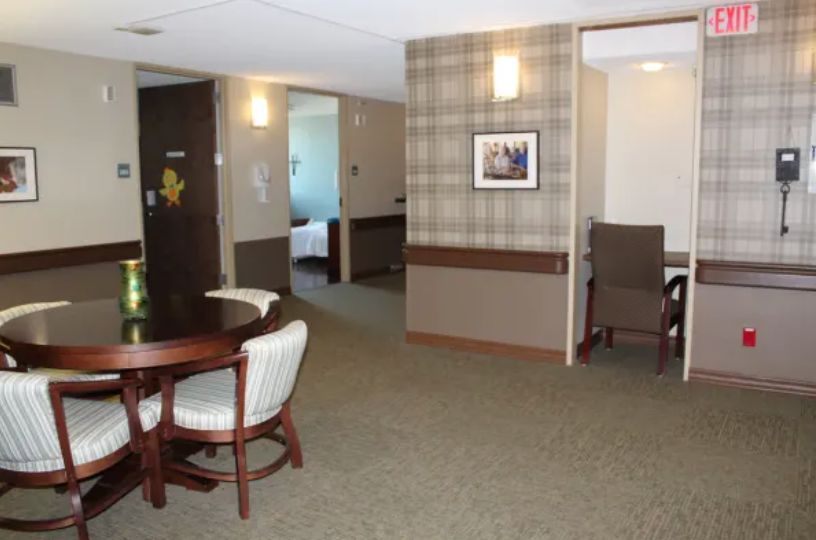
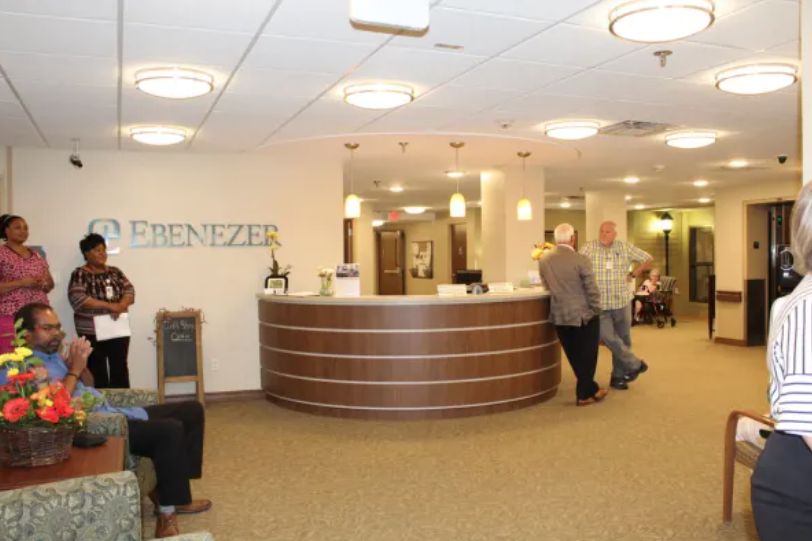
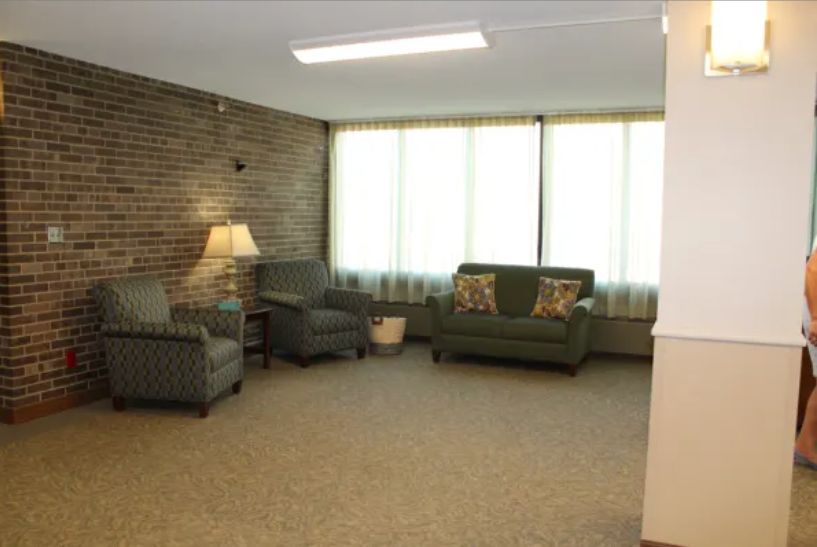
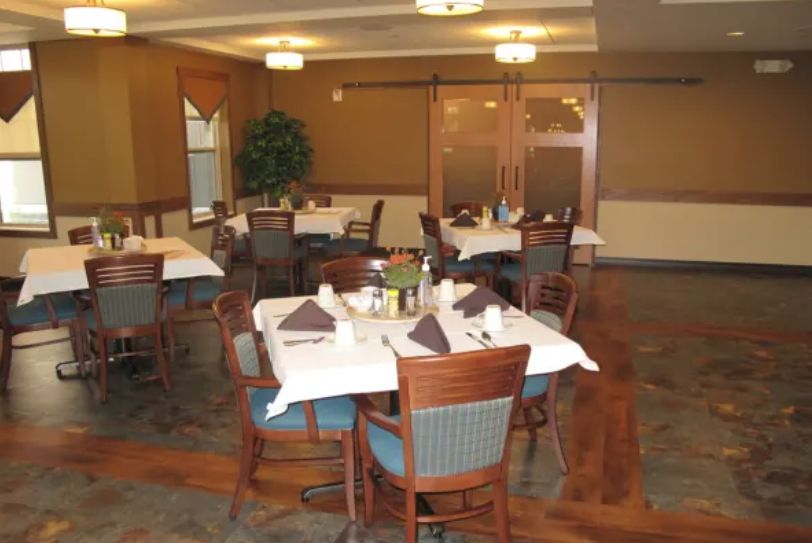
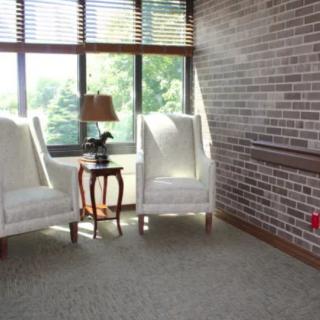
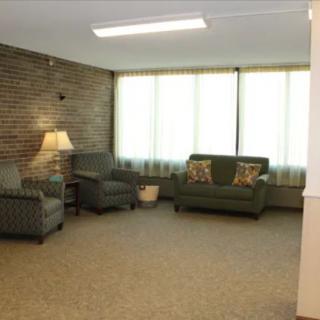
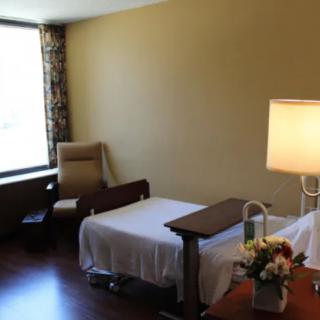
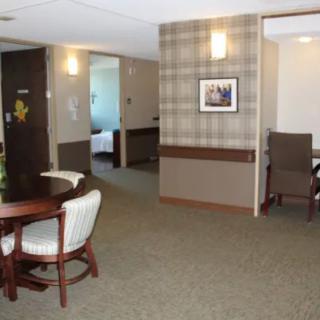
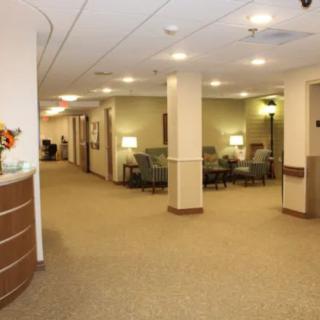
- The facility is comfortable and clean, with wonderful meals.
- The smaller size helps residents navigate easily and build personal relationships.
- The nursing and care staff are attentive to residents’ needs.
- Administration keeps families updated on events and happenings.
- The social environment, with crafts, music, and pet visits, helps residents make new friends.
Cons
 The reviewer described the facility as a complete nightmare, noting substandard staff and cleanliness.
- They stated that the care is not worth upwards of $15,000 per month.
- They reported chronic short staffing and insufficient overnight staff.
- They described life-alert responses arriving after 30 minutes or more.
- They claimed the facility pressures families to move dementia patients into assisted living first, as a fast track to memory care.
- They asserted residents are left alone for hours, with minimal nighttime staffing and periods with no one on staff.
- They felt the facility’s director did not take family concerns seriously, treating them as unreasonable.
Review
Arbors at Ridges in Burnsville is best suited for seniors who want a warm, home-like assisted living experience with a genuine sense of community, strong staff stability, and a built-in social calendar. The smaller, easy-to-navigate campus supports residents with mobility challenges who crave daily engagement, from crafts and music to social events, in a setting that feels more like a residence than a facility.
Those with significant memory care needs or who demand instant, 24/7 oversight should look elsewhere. Several accounts flag that Arbors is not designed for dementia, and there can be pressure to move into memory care rather than staying in assisted living. Long wait times for help, especially at night, and slow responses to life-alert triggers surface repeatedly in reviews. The monthly cost is nontrivial, and for families facing escalating care needs, the combination of high price and gaps in round-the-clock care can outweigh the positives.
On balance, the strongest argument for Arbors is the people. The staff is repeatedly described as courteous, caring, and long-tenured, cultivating a sense of family and real warmth. Residents benefit from attentive nursing, consistently clean spaces, and meals that receive high marks, complemented by a robust slate of activities that keep residents socially engaged. The ability to transition from assisted living into a care suite within the same campus offers meaningful continuity for families facing a long horizon of care needs, reducing disruption as health changes occur. In a smaller setting, staff can forge personal relationships that translate into steady, reassuring daily life.
Administration and communication also stand out. Several reviewers credit professional, compassionate leadership and timely family updates, including candid discussions when challenges arise. When concerns are voiced, the response is described as thorough and accountable, with staff striving to explain constraints and find workable solutions. That level of transparency matters to families navigating complex care decisions, and it often softens the impact of unavoidable staffing and scheduling realities.
Yet the drawbacks remain substantive. The most persistent issue is staffing, especially overnight, which bleeds into slower responses and less consistent hands-on care. Reports of life-alert delays, late assistance, and the need for family members to intervene during difficult shifts are enough to raise legitimate alarms for prospective residents with higher care needs. Cost compounds the concern; paying up to roughly $12,000–$15,000 per month for care that can feel inconsistent in critical moments makes it essential to weigh expectations carefully. For families with a loved one who has dementia, these gaps can be substantial enough to question suitability, particularly when rumors or first-hand experiences suggest the facility is not equipped to handle wandering or cognitive decline without frequent relocation.
In the end, Arbors at Ridges delivers a high-quality, people-centered environment that shines for residents who are relatively stable, mobile, and cognitively intact. It excels in daily life, nutrition, and meaningful social interaction, underpinned by a staffing culture that tends to feel like family. For families where memory impairment, wandering risk, or nocturnal care gaps are real possibilities, it is prudent to explore alternatives, especially dedicated memory care facilities or other communities with stronger overnight staffing and 24/7 coverage. Prospective buyers should conduct thorough, repeated tours, speak directly with frontline caregivers, confirm night staffing levels and life-alert responsiveness, and request a clear plan for how care would scale if health declines. When aligned with the resident’s needs and the family’s expectations on safety and cost, Arbors can be a strong, compassionate choice; when it isn’t, the search should move decisively toward alternatives.
 72 resident community capacity
 Assisted Living
 Independent Living
 Air-conditioning
 Beauty salon
 Cable or satellite TV
 Computer center
 Dining room
 Fitness room
 Fully furnished
 Gaming room
 Garden
 Housekeeping services
 Kitchenette
 Move-in coordination
 Outdoor space
 Private bathrooms
 Restaurant-style dining
 Small library
 Telephone
 Wellness center
 Wi-Fi/high-speed internet available
 Minneapolis-St Paul International (9 miles away)
 Community operated transportation
 12-16 hour nursing
 24-hour call system
 Activities of daily living assistance
 Assistance with bathing
 Assistance with dressing
 Assistance with transfers
 Diabetes diet
 Medication management
 Mental wellness program
 Special dietary restrictions
 Transportation arrangement (medical)
 Concierge services
 Planned day trips



 Choosing the Right Senior Care: A Detailed Exploration of Assisted Living and Nursing Homes
 Understanding the True Cost of Assisted Living in 2025: A Comprehensive Guide
 Understanding Medicaid Coverage for Assisted Living: A Comprehensive Guide