11175 27Th Avenue Se, Becker, MN 55308
For more information about senior living options: (866) 208-4318
Overall Review of Shepherd Of Grace
Pros
 The care at Shepherd of Grace was far above expectations.
- The caregivers and staff are amazing and treat residents like family.
- Families feel their loved ones are never alone, surrounded by a caring community.
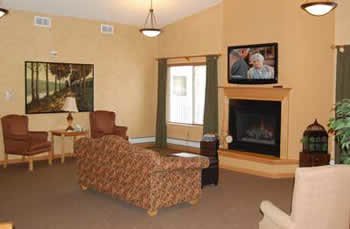
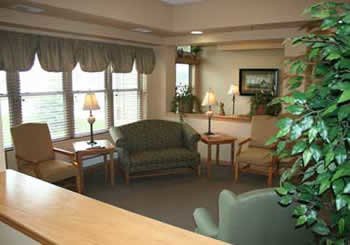
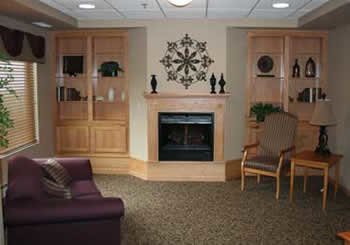
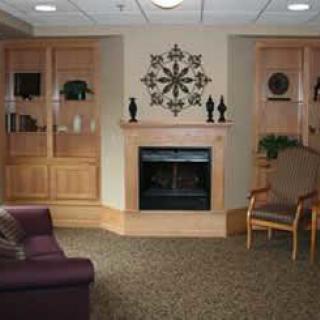
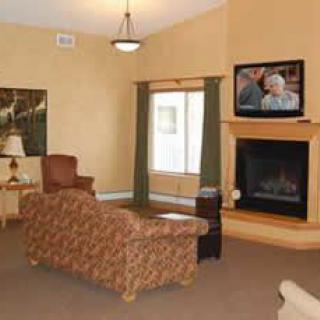
- The facility is friendly, welcoming, and home-like.
- Residents enjoy bingo, card games, and other engaging activities.
- The staff’s years of experience show in the high quality of care.
- The activity programs in the cottages have greatly improved.
- Program and housing directors are client-oriented and attentive to residents’ needs.
- Each room has a private bathroom, adding comfort and privacy.
- The facility looks brand new and is well cared for.
- The services are excellent, and residents feel like family.
- The community would be recommended to others.
Cons
 It is heartbreaking to place a loved one with dementia into care in order to obtain the best possible care.
- Some overnight CM could benefit from more validation, compassion, and empathy training.
- CM should be concentrating more on one-on-one time with residents.
Review
Shepherd Of Grace in Becker is best suited for families seeking a warm, faith-informed, community-focused assisted living with a clear emphasis on dementia care housed in a purposeful campus. It fits residents who want not just a room but a homelike environment where staff familiarity and a sense of belonging matter , the kind of place where caregivers know residents by name, join in activities, and treat family members as partners in care. The arrangement with a dedicated dementia building and a nearby church underscores a holistic approach to daily living, socialization, and spiritual support that many families find essential.
Those who may want to explore alternatives include families prioritizing the highest level of medical oversight or shifting needs toward newer construction with the latest design features. For residents requiring intense 24/7 nursing, highly specialized medical protocols, or a setting that feels less like a long-term home and more like a cutting-edge facility, other communities with bigger medical staffs or more hospital-like amenities could be a better fit. Likewise, families seeking ultra-modern layouts, expansive in-room amenities, or a broader array of on-site services may prefer options that emphasize a different balance of medical support and lifestyle features.
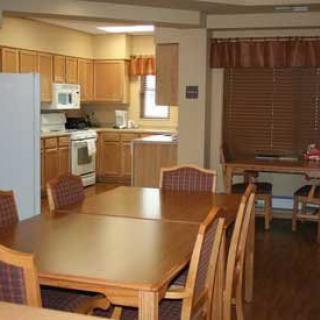
The strongest positives here are the caliber and warmth of the caregiving team, the clearly established sense of family within the community, and the built-in structure that supports memory care. Reviews repeatedly highlight long-tenured, caring staff who treat residents with genuine affection, the memory care options that keep dementia residents in a familiar, purpose-built environment, and a culture that invites families to feel part of the team. The community also shines on atmosphere and upkeep: clean, well-maintained spaces that feel welcoming, with residents often described as happy and engaged in a robust activity calendar, bingo, games, and social events. The housing itself supports independence and comfort, with cottages and private living spaces that include practical features like in-room storage, generous living areas, and in some cases private bathrooms and in-room amenities that ease daily routines.
A notable con appears in a minority of reviews, centering on specific staff interactions. Some overnight caregivers are said to need more training in validation, compassion, and empathy, and there are suggestions for more one-on-one time between residents and care managers. These are important reminders that even an endlessly caring culture can improve with targeted staff development. Yet the overall impact of the pros tends to offset these concerns: the deep sense of belonging, the continuity of relationships, and the dementia infrastructure mitigate worries about daily attentiveness. In practical terms, this means families should actively inquire about staff development plans, request opportunities to observe one-on-one time with residents, and ensure there is a clear channel for ongoing feedback to leadership.
Operationally, the facility earns confidence through its nine-year track record of appearance, service, and resident satisfaction. It feels like a well-kept home where staff and volunteers contribute to a communal atmosphere, and residents often describe feeling cared for as part of an extended family. The mix of independent residents and those needing assisted living supports creates a dynamic where people help one another, and families notice the consistency of care across shifts. The inclusion of meals and flexible options, along with an existing activity program that has grown over time, indicates a responsive team that learns from feedback and continually refines programming to keep residents engaged.
For families weighing the decision, Shepherd Of Grace offers a compelling value proposition for those prioritizing a home-like setting, deep caregiver relationships, and purposeful dementia care in a community with spiritual and social integration. If these priorities align, the community is likely to deliver comfort, connection, and reliable daily structure. If, however, the priority is around hospital-grade medical acuity, ultra-modern amenities, or a schedule with a surrounding community that demands minimal staff development, exploration of alternatives is prudent. In the end, due diligence should include meeting multiple caregiving staff, sampling the activity calendar, touring the memory-care neighbourhood, and confirming cost inclusions to ensure the fit aligns with care needs, budget, and the family’s expectation of a true second home.
 69 resident community capacity
 Assisted Living
 Memory Care
 Skilled Nursing Facility
 Air-conditioning
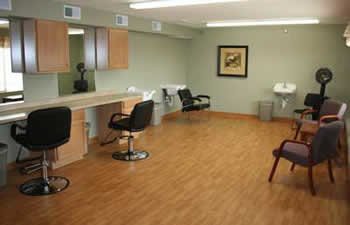
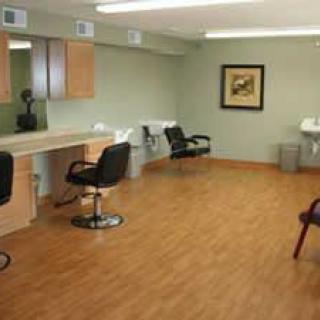
 Beauty salon
 Cable or satellite TV
 Computer center
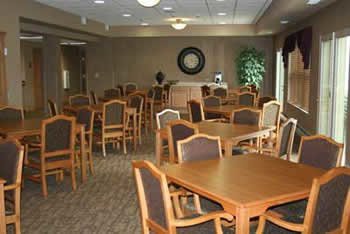
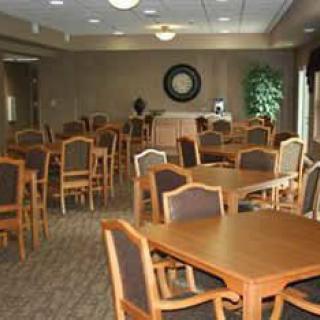
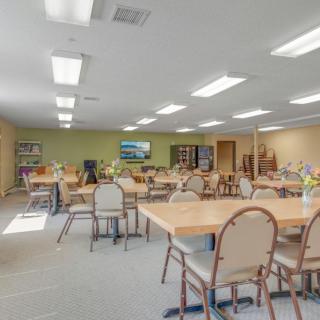
 Dining room
 Fitness room
 Fully furnished
 Gaming room
 Garden
 Housekeeping services
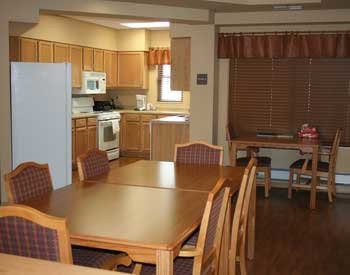
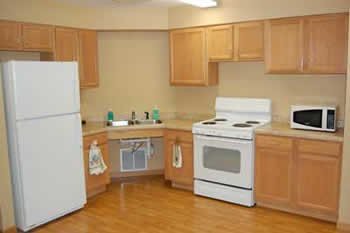
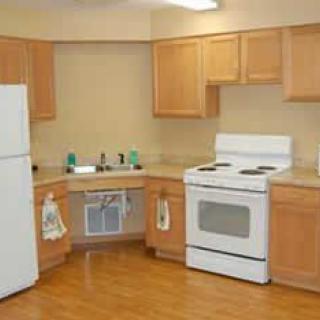
 Kitchenette
 Move-in coordination
 Outdoor space
 Private bathrooms
 Restaurant-style dining
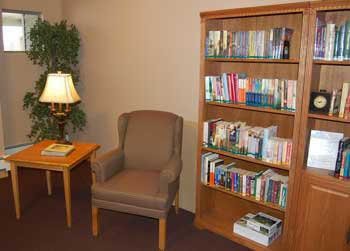
 Small library
 Telephone
 Wellness center
 Wi-Fi/high-speed internet available
 St Cloud Regional (12 miles away)
 Community operated transportation
 12-16 hour nursing
 24-hour call system
 Activities of daily living assistance
 Assistance with bathing
 Assistance with dressing
 Assistance with transfers
 Diabetes diet
 Medication management
 Mental wellness program
 Special dietary restrictions
 Transportation arrangement (medical)
 Concierge services
 Planned day trips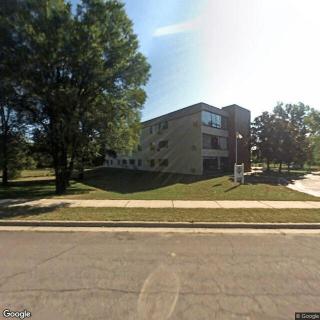

 Exploring the Power of Reminiscence Therapy for Individuals With Dementia
 An In-Depth Look at Reminiscence Therapy in Dementia Care
 Dementia-Related Hallucinations: Causes, Experiences, and Practical Approaches