
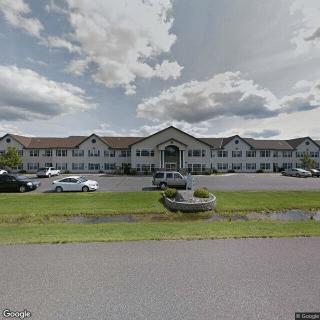
7111 Forthun Road Ste 100, Baxter, MN 56425
For more information about senior living options: (866) 208-4318
Overall Review of Good Neighbor Hhc Of Brainerd
Pros
 Good Neighbor is an exceptional agency.
- They are easy to work with, very understanding and kind from the first contact through every visit.
- They treat clients' family members as their own, not merely as clients.
- They are helpful, respectful, prompt, and fantastic conversationalists.
- They come highly recommended to care for loved ones.
- Their visits evoke warm memories of conversations with grandparents and parents, and highlight the clients' unique stories and meaningful friendships.
Review
Good Neighbor HHC Of Brainerd in Baxter is best suited for families seeking deeply personal, relationship-driven in-home care for aging loved ones. The strongest signal from the feedback is a consistently warm, family-like approach: caregivers are easy to work with, genuinely understanding, and respectful from the first contact through every visit. This agency treats clients as people with histories, not as mere service recipients, and that mindset translates into meaningful, ongoing conversations that feel more like visiting relatives than arranging a caregiver. For families who value trust, continuity, and human connection as foundational elements of care, this community stands out as an especially strong option.
Those who should consider alternatives are families facing needs beyond personal warmth and responsiveness. If a loved one requires around-the-clock medical supervision, intensive rehabilitative services, or a facility-type environment with structured clinical oversight, this in-home model may not deliver the scope of coverage sought. The reviews emphasize interpersonal strength and reliability, but they do not describe a capacity for constant, high-intensity medical management or 24/7 staffing. In such cases, exploring other agencies or facility-based options with more expansive clinical services would be prudent.
The key strengths, gentle, proactive communication, respect, and a palpable sense of being treated like family, partially offset typical concerns families often have about in-home care. When caregivers are described as prompt, helpful, and excellent conversationalists, trust-building happens quickly, reducing anxiety around daily routines, medications, and existential questions that arise in aging care. This relational foundation lowers the emotional burden on families, supports adherence to care plans, and often improves a loved one’s sense of security and dignity. The in-home format itself further mitigates stress by limiting transport needs and preserving familiar surroundings and routines.
Pastoral in tone and deeply personal in practice, the visits carry a substantive benefit beyond pleasantries. Clients’ life stories and unique experiences surface in conversations, turning caregiving into an ongoing engagement rather than a transactional exchange. Such engagement can help stave off isolation, encourage cognitive stimulation, and sustain a sense of purpose for older adults who would otherwise drift in routine only. The impact, conveyed by families who witnessed stronger mood, more meaningful social interaction, and happier daily life, is not merely comforting, it translates into observable quality-of-life improvements for those receiving care in a home setting.
Practical considerations are essential to ensure a good fit. Prospective families should inquire about caregiver matching, scheduling flexibility, and the process for handling days when a preferred caregiver is unavailable. The absence of explicit drawbacks in the feedback is encouraging, but the small sample size means verification through trial periods and direct conversations with current clients or families is advisable. Clarify what services are included in visits, how medical information is shared, and what backup plans exist for emergencies or caregiver illness. Understanding billing, eligibility, and coordination with any existing medical teams will help determine if the warm, family-centered approach aligns with clinical expectations and cost considerations.
In the end, Good Neighbor HHC Of Brainerd offers a compelling choice for families prioritizing trust, warmth, and sustained relational engagement in an in-home care setting. It excels at turning caregiving into a collaborative, human-centered partnership where clients are treated with the affection and respect reserved for kin. For households seeking a highly personalized, conversation-rich experience that supports emotional well-being and continuity, this agency delivers clear value. Conversely, if the priority is constant clinical intensity, 24/7 supervision, or a setting that mirrors a traditional medical facility, alternative arrangements should be explored. A practical next step is scheduling an introductory meeting or trial period to confirm compatibility with the specific rhythms and health needs of the loved one.
 21 resident community capacity
 Assisted Living
 Beauty salon
 Cable or satellite TV
 Dining room
 Fully furnished
 Garden
 Housekeeping services
 Kitchenette
 Move-in coordination
 Outdoor space
 Restaurant-style dining
 Small library
 Telephone
 Wi-Fi/high-speed internet available
 Brainerd-Crow Wing County Regional (7 miles away)
 24-hour call system
 Activities of daily living assistance
 Assistance with bathing
 Assistance with dressing
 Assistance with transfers
 Diabetes diet
 Medication management
 Mental wellness program
 Special dietary restrictions


 Assisted Living Expenses and Long-Term Care Insurance: A Comprehensive Exploration
 Securing Financial Support for Assisted Living: A Comprehensive Overview
 Social Security Benefits and Assisted Living: Navigating Options Across the U.S.