
14398 Grand Oaks Dr, Baxter, MN 56425
To contact a resident: (218) 824-1400
For more information about senior living options: (866) 208-4318
Diamond Willow Assisted Living of Baxter Costs & Pricing
Diamond Willow Assisted Living of Baxter offers a 1-bedroom unit at a monthly cost of $5,900, which significantly exceeds both the county average of $3,251 in Crow Wing County and the statewide average of $2,893 in Minnesota. This pricing reflects not only the premium services and amenities provided by Diamond Willow but also the facility's commitment to delivering personalized care tailored to residents' needs. While it may represent a higher investment compared to other options in the region, many families find that the enhanced quality of life and supportive environment justify the cost for their loved ones seeking assisted living solutions.
| Floor plans | Diamond Willow Assisted Living of Baxter | Crow Wing County | Minnesota |
|---|---|---|---|
| 1 Bedroom | $5,900 | $3,251 | $2,893 |
Overall Review of Diamond Willow Assisted Living of Baxter
Pros
 The lady managing this building is very nice.
- She gave a free couch and chair set after a housefire, and the log set is beautiful.
- The reviewers express gratitude for her generosity.
Cons
 Diamond Willow is poorly managed.
- The resident meal areas are left dirty long after meals because only one staff member is tending to multiple residents.
- There is only one aide doing all the work while two RNs sit in the office, suggesting inadequate direct care.
- High staff turnover is a big red flag.
- Aides and RNs have poor attitudes and are lazy when asked to help with resident care.
- Staff rely on personal devices to chart confidential information, which should never happen under HIPAA.
- Residents and families report poor care despite the attractive facility.
Review
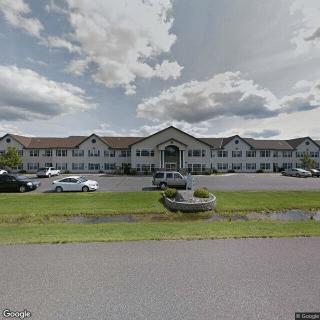
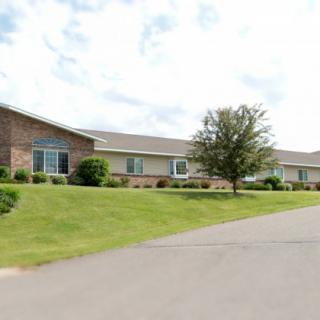
Diamond Willow Assisted Living of Baxter is best suited for families that prioritize a pleasant, well-kept environment and are prepared to supervise care closely. The setting itself is appealing, and the facility’s appearance can be a meaningful plus for relatives who want to feel comfortable visiting. However, the daily reality of care hinges far more on staffing stability and active management than on aesthetics alone. For residents who are largely independent or require only light assistance, and whose families can commit to ongoing oversight and advocacy, the campus may work as a residence of convenience. But for anyone counting on consistently reliable caregiving, the balance tilts decisively toward caution.
Those with higher and more consistent care needs should seriously consider alternatives. Residents who require frequent assistance with mobility, medication management, daily hygiene, or behaviors that demand on-site nursing support will likely experience gaps here. The reviews emphasize that dependable, well-staffed care is not a guaranteed given, and that management problems can amplify daily challenges. Families should seek communities with demonstrably stable staffing, predictable on-site nursing coverage, and a robust program of structured activities and daily oversight. If safety, reliability, and responsive problem-solving are non-negotiable, this is not the optimal fit.
On the plus side, the facility’s leadership and some personal gestures do stand out in a meaningful way. The manager described as very nice is remembered for a compassionate, front-line approach, including thoughtful actions that temporarily soften difficult situations. The positive energy from that leadership is a real asset when present and can slightly offset some frustrations. The physical campus itself remains a strength, suggesting that with the right staffing and routines, residents could enjoy a comfortable living environment.
The core drawbacks, however, carry substantial weight. High staff turnover, persistent management challenges, and an overworked, understaffed care team translate into inconsistent attention to residents’ needs. Reports of aides and RNs displaying poor attitudes, excessive phone use during shifts, and a perceived lack of engagement with residents point to a care culture that struggles to meet basic expectations. The existence of outside agency staff and sporadic activity offerings further erode day-to-day reliability. Even when RN support is cited, families frequently note that it is not consistently visible in practice, leaving families to question whether needs are being addressed promptly and properly.
In weighing the pros against the cons, the positives do not neutralize the risks. A beautiful facility and a sympathetic manager can provide short-term relief, but they cannot compensate for chronic understaffing, variable care quality, and limited daily programming. For families considering Diamond Willow, it is essential to enter with a plan: request clear, written staffing schedules; verify that registered nurses are on site for required shifts; establish concrete expectations for meal-service cleanliness and resident activities; and insist on regular progress updates. Without rigorous oversight and a willingness to explore alternatives if standards slip, the likelihood of ongoing dissatisfaction remains high.
Bottom line: Diamond Willow is not a one-size-fits-all solution. It may appeal to those who value environment and personal kindness in leadership and can tolerate, or actively mitigate, inconsistent care through vigilant family involvement. For anyone whose loved one depends on steady staffing, predictable routines, and proactive care management, a different option with stronger staffing stability and care metrics should be the default path. The choice should hinge on whether families are prepared to advocate continuously and whether the community can demonstrate sustained improvements in staffing and daily care delivery.
 Assisted Living
 Memory Care
 Activities on-site
 Devotional services off-site
 Indoor common areas
 Brainerd-Crow Wing County Regional (6 miles away)
 Ambulatory care
 Diabetic care
 Meals provided

 Exploring the Contrasts Between Assisted Living and Skilled Nursing
 Vibrant Senior Living: A Comprehensive Guide for Active Older Adults
 Assisted Living and Memory Care: Understanding Their Core Differences