
14396 Grand Oaks Drive, Baxter, MN 56425
For more information about senior living options: (866) 208-4318
Overall Review of Diamond Willow of Baxter
Pros
 The Lady Managing this building is very nice.
- She gave a free couch and chair set after theirs burned up in a housefire.
- The log set is beautiful.
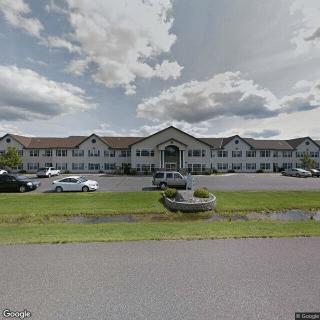
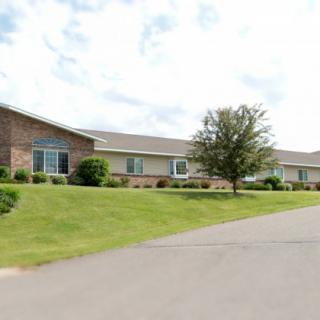
- They have a beautiful facility.
Cons
 The facility is poorly managed with a high turnover of staff.
- Only one staff member tends to multiple residents, leaving meal areas dirty long after mealtime.
- There appears to be little active RN involvement, with one aide doing most of the work while RNs sit in the office.
- Aides and RNs are described as having poor attitudes and being lazy when asked to help residents, and they frequently use personal phones instead of focusing on care (raising HIPAA concerns).
- Residents and families report poor care and dissatisfaction from staff.
- The building’s attractive appearance does not compensate for the poor staff, and management struggles to retain staff.
Review
Diamond Willow of Baxter is best suited for families that can tolerate uneven day-to-day care in exchange for a visually appealing, well-maintained setting and a facility where small acts of staff generosity occasionally surface. In Baxter, MN, the building and grounds present well, and some families may appreciate the convenient location and the sense that the place could be comfortable as a long-term home. However, multiple accounts describe a system where staffing instability drives erratic care. The core signal is clear: care quality will largely hinge on who is on shift, how long turnover has been, and how effectively management commands the daily routine. In short, the strongest value lies in environment and potential access to on-site oversight, not in consistent caregiving.
Those weighing Diamond Willow against alternatives should be candid about what matters most. If reliable staffing, steady supervision, transparent communication, and a robust activity program are non-negotiable, other options deserve serious consideration. The Brainerd area does have waitlists, and some families feel pressured to settle for a facility with visible staffing fragility rather than risk a prolonged search. But this cannot be dismissed as a mere scheduling issue; it is a pattern surfaced in multiple reviews, not a temporary turbulence. For families needing predictable care milestones, regular RN involvement, and proactively managed resident needs, alternatives will likely deliver more peace of mind.
On the upside, the facility’s aesthetics and a few positive interpersonal moments can feel meaningful in the moment. A well-kept common space and a manager who can demonstrate kindness, and even offer tangible gestures, signal that the house can feel welcoming. In theory, those elements can reduce stress for families during transitions and provide a baseline sense of warmth. Yet these strengths do not fully compensate for the overarching concerns that recur in feedback: care delivery that is inconsistent, and a management structure that appears unable to stabilize essential staff roles. The contrast between a beautiful shell and ongoing care gaps is the defining tension here.
The most persistent red flags center on staff stability and engagement. Reports describe high turnover among aides and management, with a pattern of one or few regulars shouldering care duties and, at times, insufficient hands-on attention to residents. Complaints cite attitudes among some staff as unprofessional or disengaged, frequent personal phone use during shifts, and a sense that resident needs are deprioritized when staff are spread thin across multiple residents. Observers note that meals and common areas can be left less clean during busy periods, which undermines daily comfort and can affect appetite and dignity. While some staff may be caring, the systemic gaps create a risk of uneven care that families must actively monitor.
For families making a visit, a practical playbook matters. Request to see live floor-time in the evenings and at mealtimes, not just during formal tours. Speak with several frontline staff and the on-call RN about how care plans are updated, how quickly changes are communicated, and what the actual on-shift coverage looks like on weekends and peak hours. Inspect dining areas for cleanliness after meals, ask about activity programming and how residents are engaged on quieter days, and probe the turnover history with administration. Seek explicit answers about staffing ratios, the presence of an on-site RN or nurse manager most days, and the facility’s process for addressing complaints quickly and transparently.
Bottom line: Diamond Willow of Baxter conveys a compelling presence on the surface, but the fundamental promise of steady, attentive care is inconsistent in practice. For families that can navigate a facility where oversight is variable and care gaps appear during shifts, it can still function as a livable option, with the right safeguards and active involvement. For anyone who cannot tolerate daily uncertainty in caregiving, or who requires steady staffing, proactive management, and a robust activity program, other communities in the region are the prudent choice. The decision hinges on whether the environment alone suffices or if dependable, consistently attentive care must be the nonnegotiable baseline.
 26 resident community capacity
 Assisted Living
 Beauty salon
 Cable or satellite TV
 Dining room
 Fully furnished
 Garden
 Housekeeping services
 Kitchenette
 Move-in coordination
 Outdoor space
 Telephone
 Wi-Fi/high-speed internet available
 Brainerd-Crow Wing County Regional (6 miles away)
 24-hour call system
 Activities of daily living assistance
 Assistance with bathing
 Assistance with dressing
 Assistance with transfers
 Diabetes diet
 Meal preparation and service
 Medication management
 Mental wellness program
 Special dietary restrictions
 Transportation arrangement (medical)
 Transportation to doctors appointments


 Senior Transition Services: Understanding Their Role, Cost, and Importance
 Exploring the Path to Senior Living: A Comprehensive Look at Independent Living and Assisted Living
 Is Assisted Living Deductible on Your Taxes? Understanding the Complexities of Assisted Living Expenses and Deductions