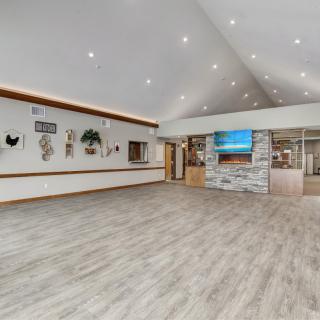
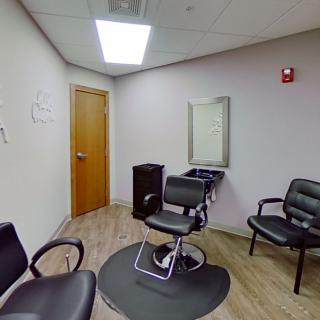

7007 139th Ln NW, Ramsey, MN 55303
To contact a resident: (763) 402-7091
For more information about senior living options: (866) 208-4318
Suite Living - Ramsey Costs & Pricing
Suite Living - Ramsey offers a premium living experience with its studio apartments priced at $7,900 per month. This cost significantly exceeds both the average monthly rates in Anoka County, which stand at approximately $3,460, and the broader statewide average in Minnesota of around $3,617. The notable difference suggests that Suite Living - Ramsey likely provides an enhanced level of service or amenities that justify its higher price point. Residents can expect a luxurious environment tailored to meet their needs, reflecting the commitment to quality care and comfortable living within their community.
| Floor plans | Suite Living - Ramsey | Anoka County | Minnesota |
|---|---|---|---|
| Studio | $7,900 | $3,460 | $3,617 |
Memory care communities with a similar price nearby
-
About the same
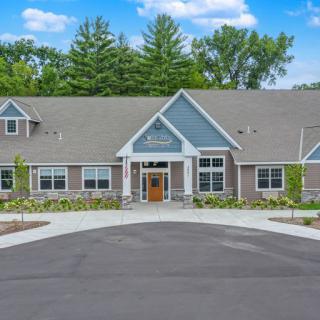
Suite Living of Crystal
$7,900 / month15.8 miles away -
from +$1100 / mo

English Rose Suites Chestnut Hills Home
$9,000 to $14,725 / month17.8 miles away -
from -$870 / mo
Personal Care Senior Living Columbia Heights
$7,030 / month15.4 miles away -
from -$1400 / mo
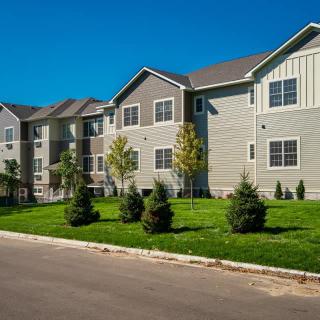
The Harbors Senior Living of Fridley
$6,500 to $8,500 / month14.2 miles away -
About the same
Suite Living - Brooklyn Park
$7,900 / month9.3 miles away
Overall Review of Suite Living - Ramsey
Pros
 The facility has a great team providing excellent care.
- It is one of the most caring facilities.
- The staff keeps residents engaged.
- The staff's kindness and deeds reassure families that they have found a home away from home.
- The building is always clean and in order.
- They rise to challenges and handle bumps in the road gracefully.
- Families are relieved to have found this facility.
- The overall value is in line with other communities in the area.
Cons
 The facility is not a good place.
- Some staff members are not as warm or caring as others.
- The quality of care depends on which staff member attends to the resident.
- The facility could not transport a high-risk resident to appointments, forcing the family to relocate and incur extra costs.
- There are concerns about high employee turnover and why many staff quit.
- The management does not inform residents when someone dies.
Review
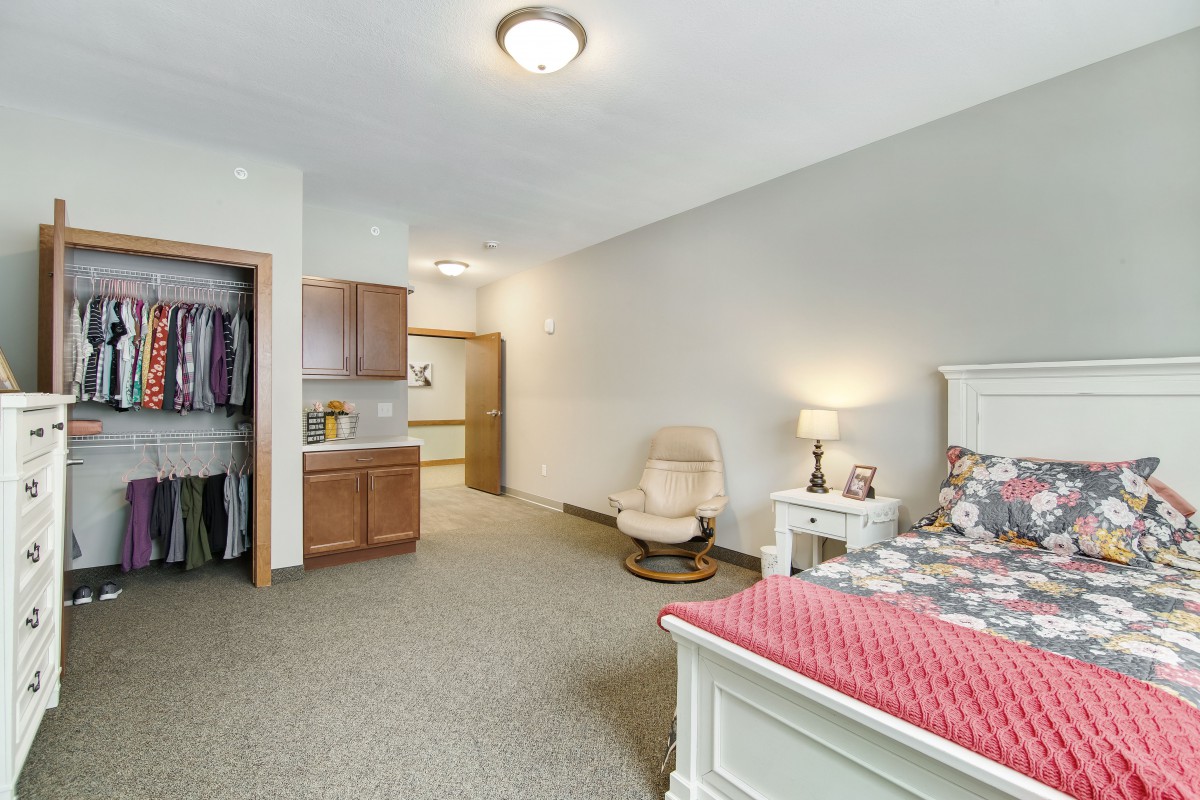
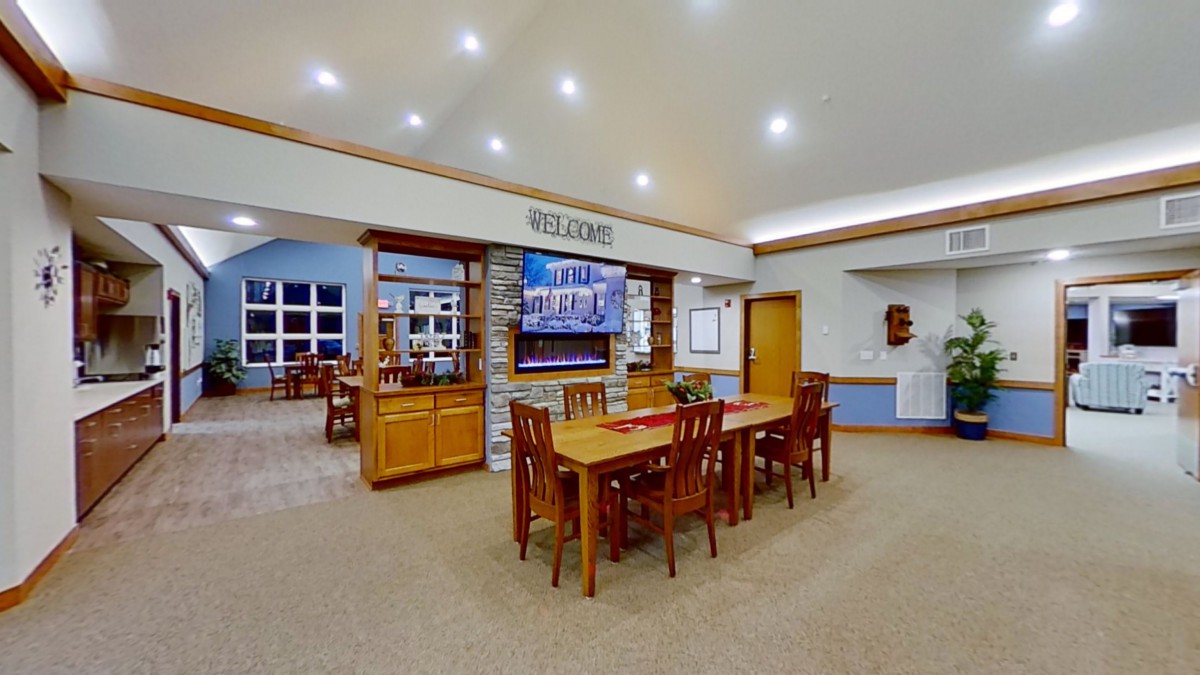
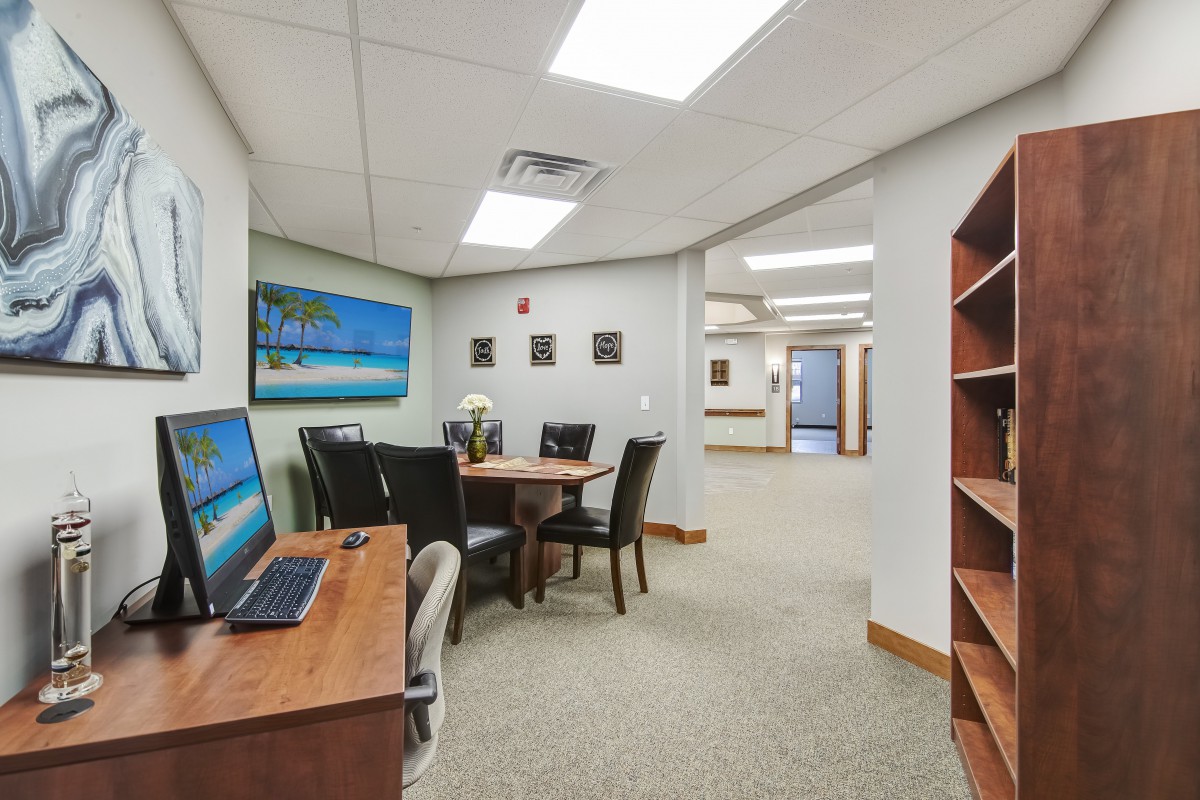
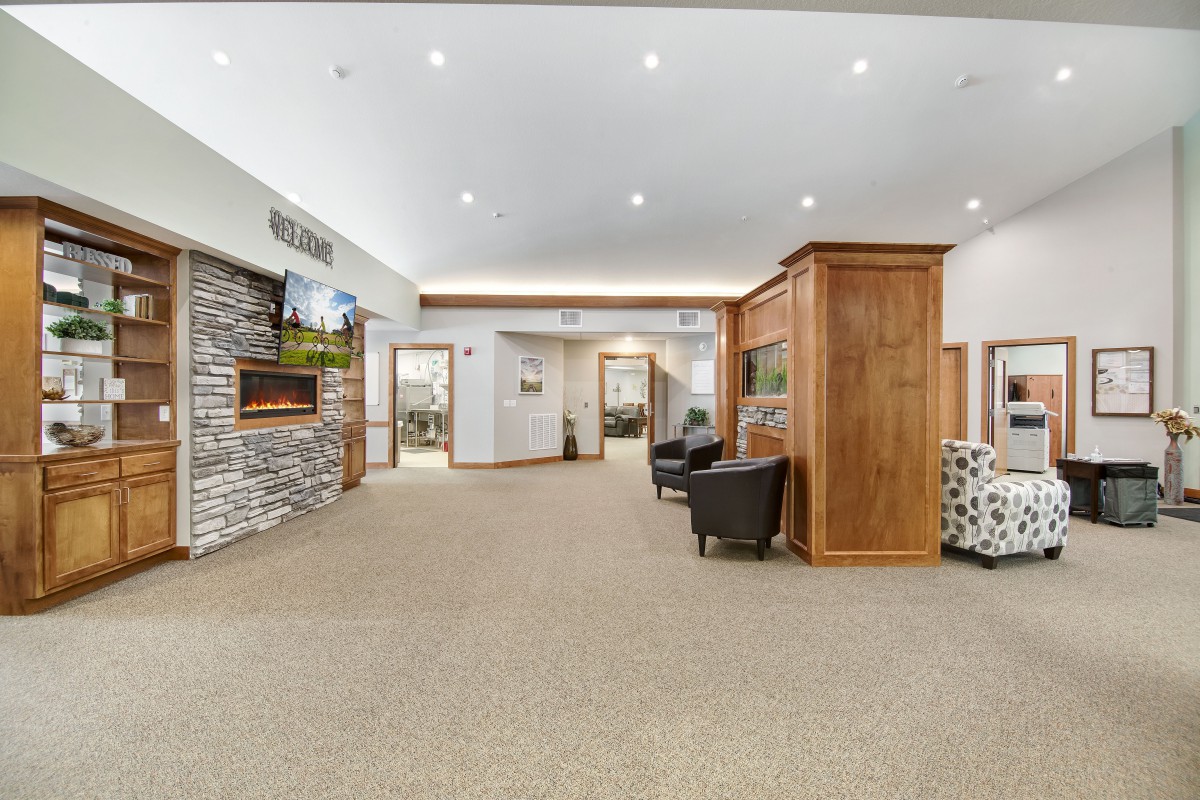
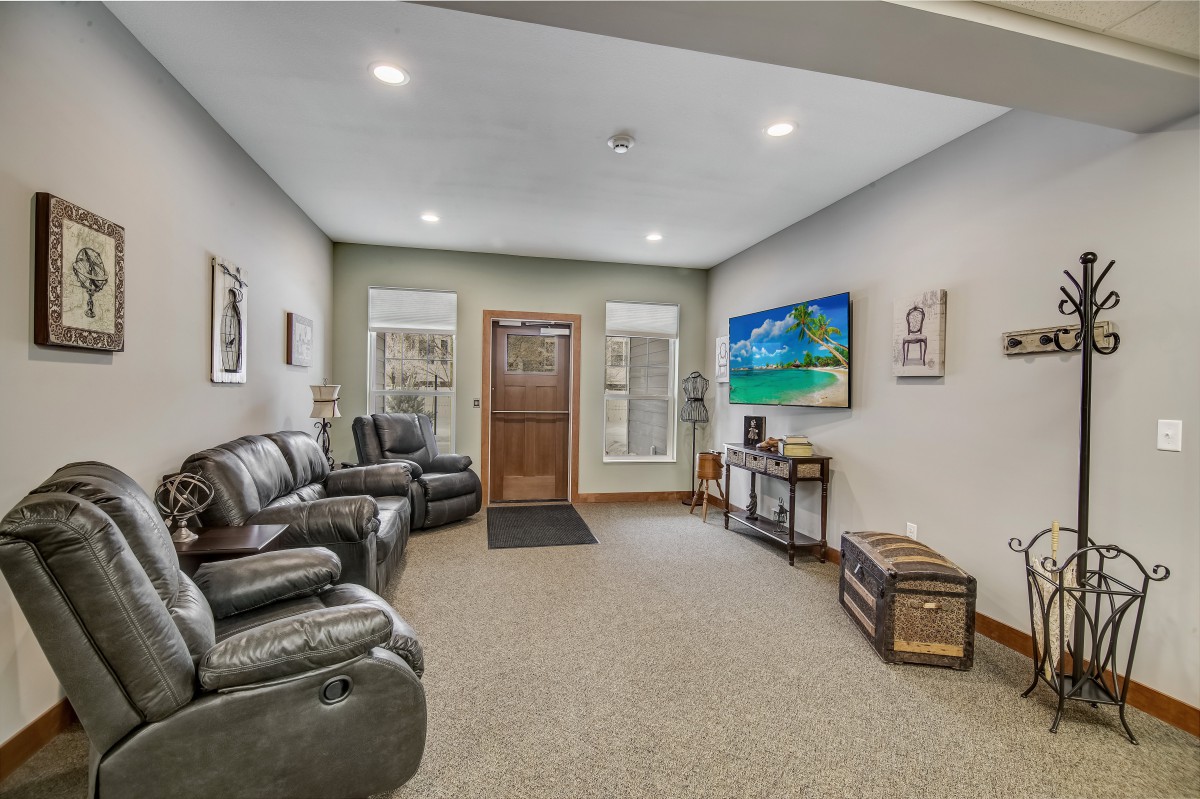
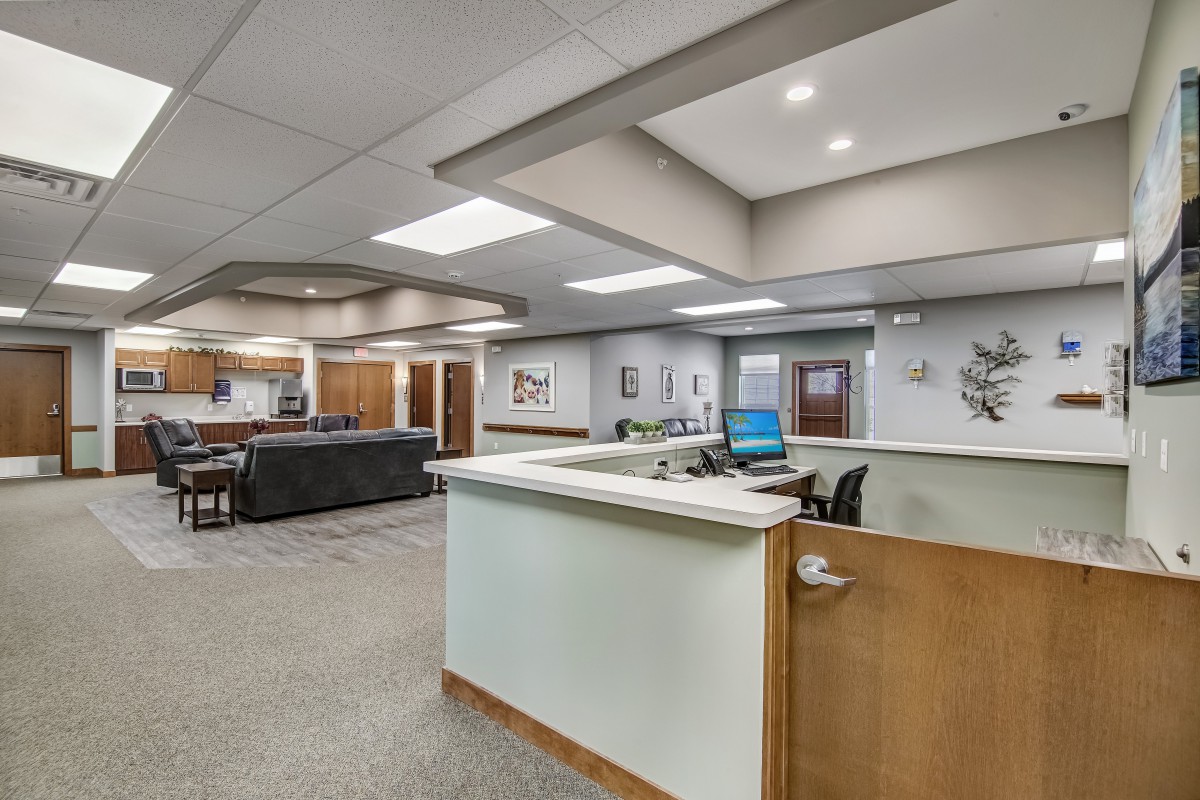
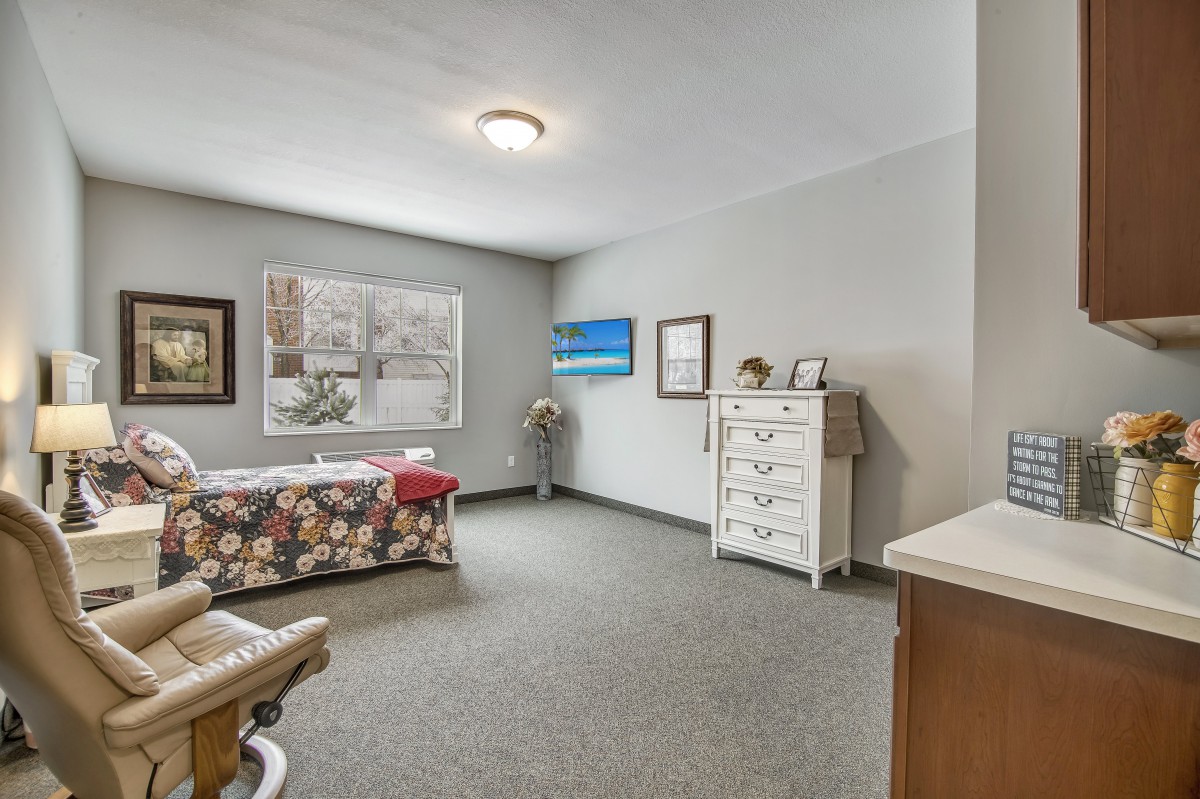
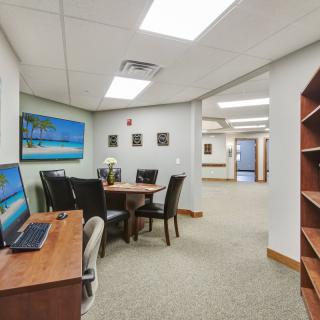
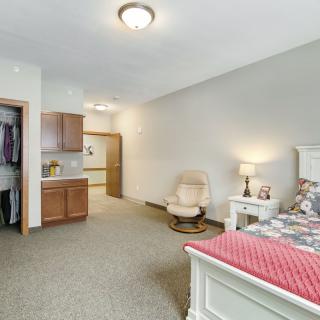
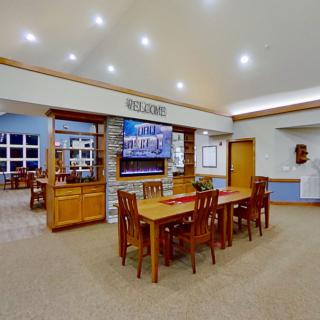
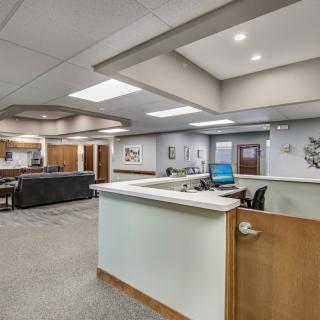
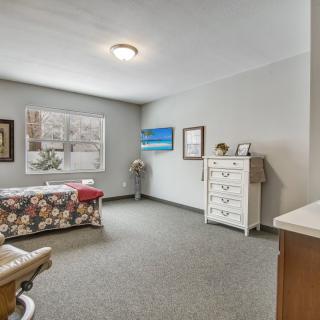
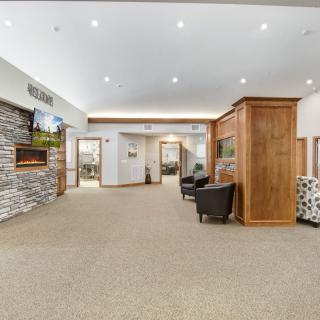
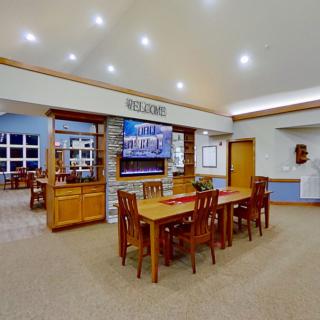
Suite Living - Ramsey is best suited for families seeking a small, tightly managed assisted-living option where daily warmth and engaged caregiving are the core promise. The model works well for residents who value personal attention, a clean, home-like environment, and plentiful social programming delivered by a team that genuinely makes an effort to keep people connected and safe. It suits those who appreciate the intimate feel of a smaller campus, with rooms arranged in a straightforward hallway layout that supports easy supervision and quick access to staff. For residents who thrive on consistent, highly predictable medical coordination or require extensive on-site medical support, this community is a good fit only if those needs can align with the current staffing and processes.
However, this community should not be the default choice for families needing rock-solid, 24/7 medical oversight and uniformly reliable operations. Several reviews flag inconsistencies across staff and shifts, with some caregivers earning high praise while others fall short. The variation in care quality matters when a resident depends on medication accuracy, timely assistance, and seamless transport to appointments. Families confronting complex medical needs or high-risk conditions should probe deeply into nurse coverage, shift handoffs, and the facility’s ability to manage outside services. And while the overall atmosphere is positive, questions about staff turnover and the ability to sustain a constant, coherent care team do matter for long-term planning.
On the positive side, the strongest offset to these concerns is the genuine, resident-centered care culture described across multiple accounts. The team’s commitment to engagement, keeping residents social, entertained, and emotionally connected, produces a sense of “home away from home” that families value. Cleanliness and orderly operations are repeatedly noted, and the presence of an active activities program, recently enhanced by a new activities director, helps residents stay involved rather than isolated. Management-to-caregiver collaboration comes through as thorough and dedicated, with several reviewers highlighting the warmth and compassion of staff as the principal strength. When the community hits a snag, there is a demonstrated tendency to respond with effort and persistence, turning potential disruptions into manageable bumps.
Yet the most jarring gaps center on operational reliability rather than outright kindness. The strongest red flags relate to medication administration practices and the practical logistics of coordinating care with outside providers. Questions about whether medications are administered exactly as prescribed, and concerns about pendant alarm responsiveness when phones are off, point to critical fault lines in safety nets. The communication around serious events, such as a resident passing away, and the transparency of staff transitions also matter, shaping families’ sense of trust. A notable incident involving transport and temporary relocation underscores the risk of brittle processes during high-demand moments, suggesting that medical needs and transport logistics should be vetted with blunt precision before a move.
Families considering alternatives should weigh how much emphasis is placed on a warm, community-driven experience versus the need for consistent medical coordination and reliable transportation. If independent clinics, stable, well-staffed nurse coverage, and transparent, proactive communication with families are non-negotiables, other options with stronger medical integration may be preferable. For those who value a tight-knit, attentive environment and feel comfortable actively coordinating care with the facility, Suite Living - Ramsey offers genuine strengths that often translate into meaningful daily living for residents who fit the profile.
Practical next steps include scheduling multiple visits to observe real-time staff interactions, asking for concrete examples of med administration protocols, and reviewing transport policies and how appointments are coordinated. Speak with front desk, nursing, and administration about turnover rates and staff-to-resident ratios, and request opportunities to talk with current residents or family members about death announcements and incident reporting procedures. Clarify hospice eligibility policies and the facility’s capacity to manage high-acuity needs in-house before making a final decision. In the end, the decision hinges on balancing the cherished, personal care and community life against the security of dependable medical management and consistent operations.
 Assisted Living
 Memory Care
 Activities off-site
 Air-conditioning
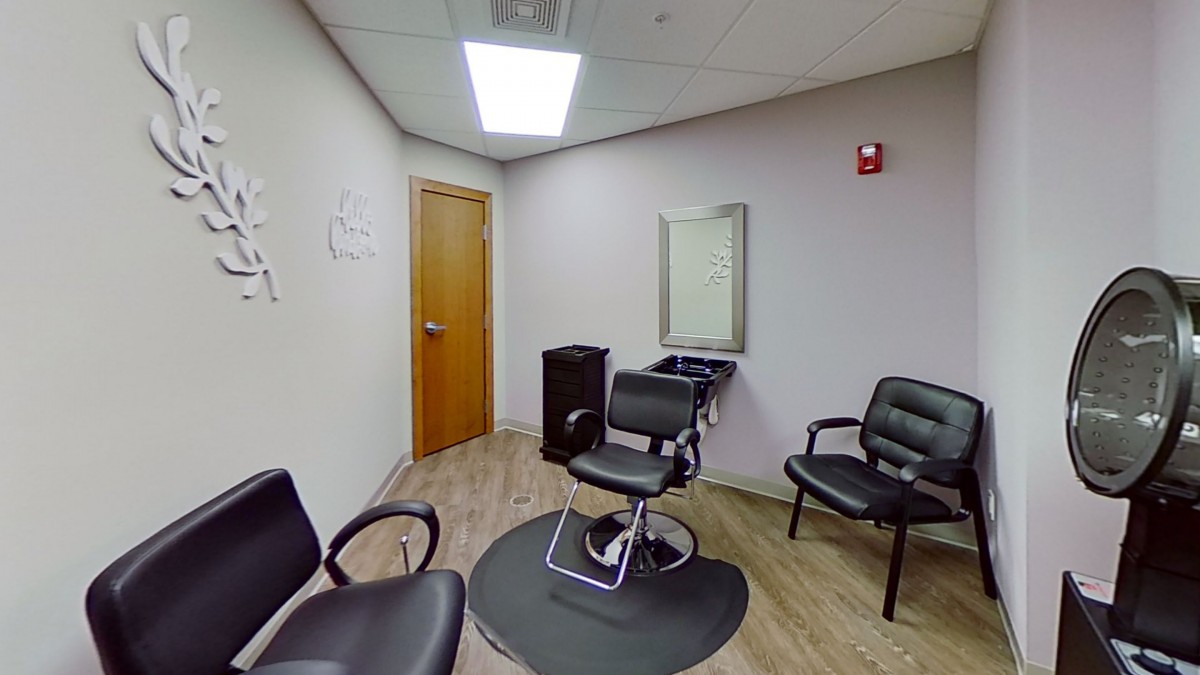
 Beautician on-site
 Cable or satellite TV
 Devotional services on-site
 Ground floor units
 Handicap accessible
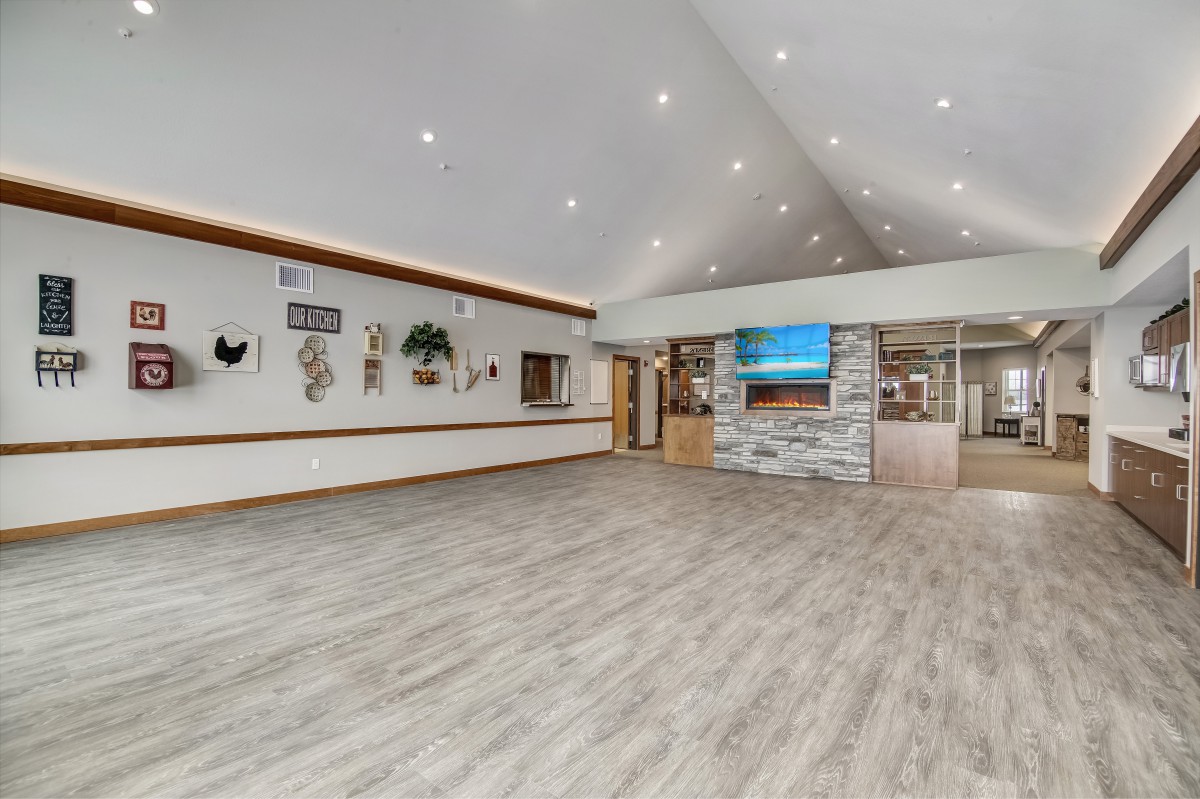
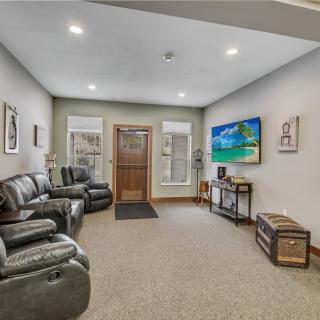
 Indoor common areas
 Kitchenette
 Outdoor common areas
 Respite or short term stays offered
 Wheelchair accessible showers
 Wi-Fi/high-speed internet available
 Diabetic care
 High acuity care
 Incontinence care
 Medication management
 Low / no sodium
 Art classes
 Cooking classes
 Day trips and outings
 Educational speakers / life long learning
 Happy hour
 Live dance or theater performances
 Live musical performances
 Live well programs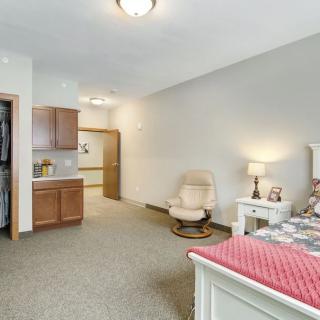

 Exploring the Contrasts Between Assisted Living and Skilled Nursing
 Vibrant Senior Living: A Comprehensive Guide for Active Older Adults
 Assisted Living and Memory Care: Understanding Their Core Differences